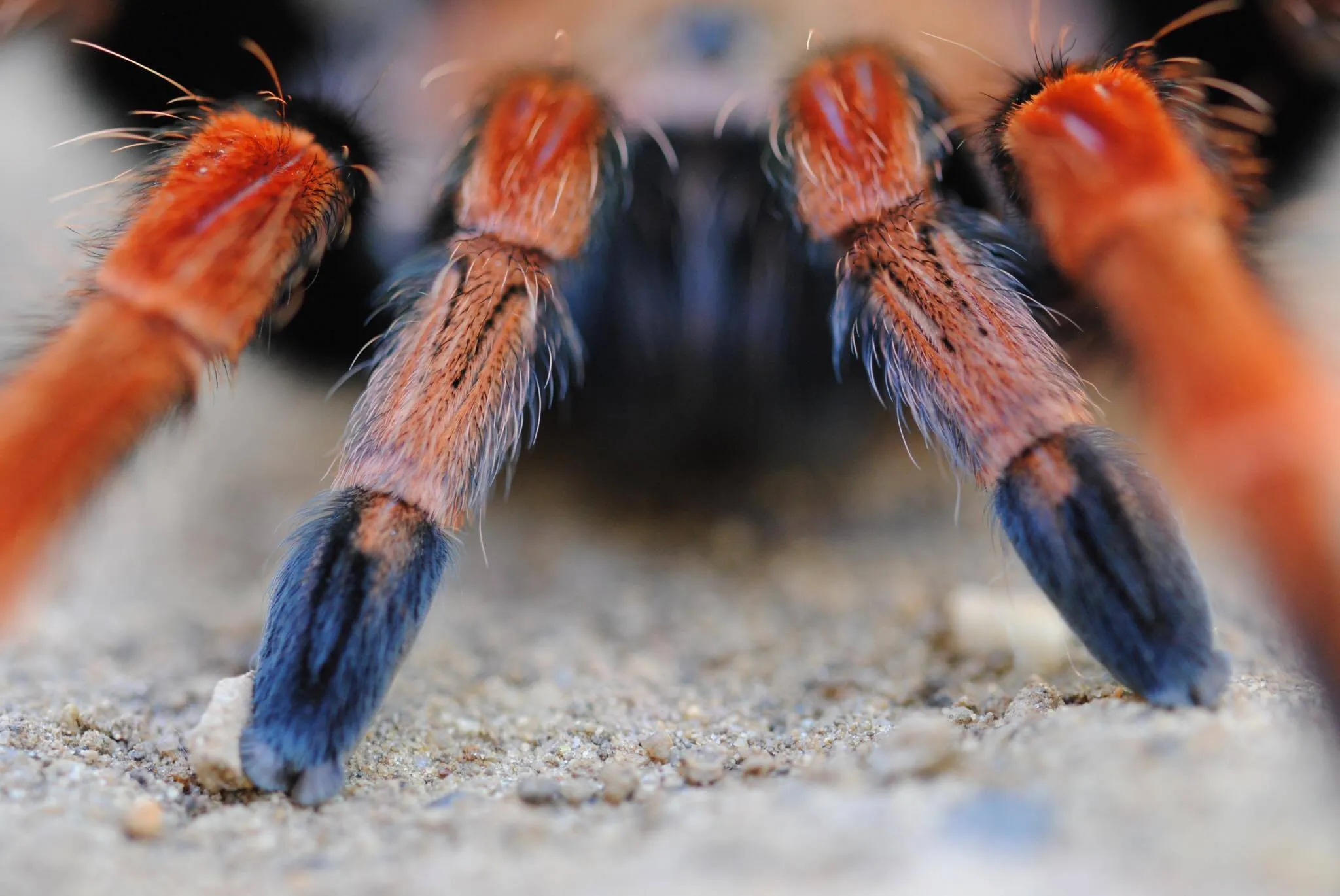
Tarantula Bites Humans Overview
Tarantulas, despite their intimidating size and appearance, are generally not aggressive creatures. However, as with any animal, they may bite in self-defense if they feel threatened. Understanding the potential consequences of a tarantula bite, and what to do if bitten, is essential for anyone who encounters these fascinating arachnids. While not typically life-threatening, a tarantula bite can be a painful and unsettling experience. This article explores the facts surrounding tarantula bites on humans, offering insights into what happens, potential dangers, and how to minimize risks. The aim is to provide comprehensive information to increase awareness and promote a better understanding of the interactions between tarantulas and humans, dispelling myths and highlighting the importance of caution and respect for these creatures.
What Happens When a Tarantula Bites a Human
When a tarantula bites a human, the experience and its effects can vary. The severity of the bite often depends on factors such as the tarantula species, the amount of venom injected (if any), and the individual’s sensitivity to the venom. It’s crucial to understand the immediate and delayed responses to a tarantula bite to react effectively and seek the appropriate medical attention. Knowledge of what to expect can help alleviate unnecessary panic and allow for a calm, measured response. The bite itself can range from a quick pinch to a more sustained grip, with the chelicerae (fangs) penetrating the skin. The initial sensation, followed by the potential onset of various physical reactions, warrants a closer look at the mechanics and aftermath of a tarantula bite.
The Immediate Effects

Immediately after a tarantula bite, the sensation is often compared to a bee sting, but the intensity can differ greatly. The immediate effects typically include localized pain, swelling, and redness around the bite area. Some individuals might experience a burning sensation, itching, or muscle cramps. The area may also become tender to the touch. The fangs of the tarantula, depending on the species and the circumstances of the bite, could leave puncture marks visible on the skin. These immediate reactions are usually the body’s natural response to the venom and the physical trauma of the bite. Observation of these early signs is key to properly assessing the situation.
Delayed Reactions and Symptoms
Delayed reactions to a tarantula bite can appear hours or even days after the initial incident. These can vary from mild to moderate, depending on individual sensitivity and the amount of venom injected. Common delayed symptoms may include increased swelling, persistent pain, and inflammation at the bite site. Some individuals may experience muscle cramps, nausea, headache, or dizziness. In rare cases, more severe reactions like allergic reactions or systemic symptoms, such as difficulty breathing or chest pain, may occur, necessitating immediate medical attention. Monitoring for these delayed symptoms is crucial for effective management and prompt medical intervention, if required. (Image: tarantula-bite-symptoms.webp)
10 Shocking Facts About Tarantula Bites
Fact 1 Severity Varies

The severity of a tarantula bite is highly variable. Some bites may cause only minor localized pain and discomfort, while others can result in more significant swelling and inflammation. The outcome is affected by several factors, including the species of tarantula, the amount of venom injected, and the individual’s sensitivity to the venom. Additionally, the location of the bite on the body can influence the severity of the symptoms. The variability underscores the importance of observing any tarantula bite closely and seeking medical advice, particularly if symptoms are concerning. (Image: tarantula-bite.webp)
Fact 2 Pain Level
The pain level associated with a tarantula bite can range from a slight pinch to a more intense, stinging sensation. Many people describe the pain as similar to a bee sting, though it can vary considerably based on individual pain tolerance and the specific tarantula species involved. Some bites may cause a brief, sharp pain, while others might result in prolonged discomfort and tenderness. The pain often subsides within a few hours or days, but it’s essential to monitor the affected area for signs of worsening symptoms, such as increased swelling or redness.
Fact 3 Venom Composition
Tarantula venom is a complex mixture of enzymes, proteins, and other substances. The primary purpose of the venom is to immobilize or kill prey, but in humans, it primarily causes localized effects. The exact composition of the venom varies among different tarantula species, which can account for the varying severity of bites. Most components of the venom are designed to break down tissues and disrupt nerve function, causing pain and inflammation. Research into the specific components of tarantula venom continues, as scientists seek to understand its mechanisms and potential applications in medicine. (Image: tarantula-venom.webp)
Fact 4 Allergic Reactions

Allergic reactions to tarantula bites are relatively rare but can occur. Individuals who are allergic to insect stings may be at a higher risk of having an allergic reaction to a tarantula bite. Symptoms of an allergic reaction can include hives, difficulty breathing, swelling of the face or throat, and dizziness. In severe cases, anaphylaxis, a life-threatening allergic reaction, may occur, requiring immediate medical attention. Anyone who experiences such symptoms after being bitten should seek emergency medical care promptly.
Fact 5 First Aid
Immediate first aid for a tarantula bite includes washing the affected area with soap and water to prevent infection. Applying a cold compress to the bite site can help reduce swelling and pain. It is also advisable to keep the bitten limb elevated. If pain persists or worsens, over-the-counter pain relievers, such as ibuprofen or acetaminophen, can be used. It is important to monitor the bite site for any signs of infection or allergic reaction and seek medical attention if necessary. (Image: first-aid-tarantula.webp)
Fact 6 Medical Treatment
Medical treatment for a tarantula bite may involve various approaches, depending on the severity of the symptoms. For mild cases, treatment may consist of pain relief medication, antihistamines to reduce itching and swelling, and close monitoring. In more severe cases, medical professionals may administer corticosteroids to reduce inflammation or provide other supportive care. If an allergic reaction is present, epinephrine may be necessary. A doctor will assess the individual’s condition and determine the most appropriate course of treatment. Medical professionals will closely monitor the patient to look for any signs of infection.
Fact 7 Tarantula Species

Different tarantula species have varying levels of venom potency and temperament. Some species are known for being more docile and less likely to bite, while others may be more defensive. The size of the tarantula also plays a role, as larger species generally possess larger fangs. When encountering a tarantula, it’s essential to identify the species if possible, as this can influence the assessment of potential risks. Research into the specific characteristics of different tarantula species provides critical information that allows experts to determine their venom potency. (Image: tarantula-species.webp)
Fact 8 Bite Frequency
Tarantulas rarely bite humans. These spiders are generally not aggressive and prefer to avoid confrontation. Bites typically occur when a tarantula feels threatened, such as when it is mishandled or startled. Pet tarantula owners are at a higher risk of being bitten, as they handle the animals more frequently. In the wild, bites are extremely rare, mainly because humans and tarantulas rarely interact. When considering tarantula bites, the frequency is much lower than many people believe, emphasizing the arachnids’ tendency to avoid contact and confrontation with humans.
Fact 9 Misconceptions
There are numerous misconceptions about tarantula bites. One common myth is that all tarantula bites are highly dangerous and can lead to serious health complications. The truth is that most tarantula bites are not life-threatening and primarily cause localized pain and discomfort. Another misconception is that tarantulas actively seek out humans to bite, which is inaccurate. Understanding these myths and replacing them with factual information is essential for reducing fear and promoting a more accurate perception of these arachnids. Dispelling these false ideas helps create a more realistic and informed view of the risks associated with tarantula bites.
Fact 10 Prevention

Preventing tarantula bites involves taking precautions when interacting with these spiders. If you encounter a tarantula, it is best to observe it from a safe distance and avoid any actions that might provoke it, such as sudden movements or attempts to handle it. For those who keep tarantulas as pets, safe handling practices are essential, including using appropriate tools, such as tongs or brushes, and avoiding placing hands near the tarantula. Education and awareness are key to reducing the risk of bites. Proper habitat management and responsible pet ownership play an important role in preventing bites. (Image: tarantula-handling.webp)
Are Tarantula Bites Fatal
Tarantula bites are generally not fatal to humans. The venom of most tarantula species is not considered to be highly toxic to humans. While the bites can cause pain, swelling, and other localized symptoms, they rarely result in severe health complications or death. However, there are exceptions. Very rarely, individuals with allergies to the venom may experience a severe reaction, such as anaphylaxis, which can be life-threatening if not treated promptly. The risk of death from a tarantula bite is extremely low, making it a minimal concern for the majority of people who encounter them. (Image: tarantula-bite.webp)
Risk Factors and Considerations
Certain factors can influence the severity of a tarantula bite. The species of tarantula, the amount of venom injected, and the individual’s overall health and sensitivity to the venom are all contributing factors. Children, the elderly, and individuals with underlying health conditions may be more susceptible to the effects of a bite. If a bite occurs, it’s crucial to observe the symptoms and seek medical attention if needed. Individuals with a known history of allergies should be particularly vigilant and have appropriate medical assistance. The assessment of individual circumstances is essential in determining how to handle a tarantula bite.
How to Prevent Tarantula Bites

Preventing tarantula bites involves a combination of caution, knowledge, and responsible behavior. The best way to avoid a bite is to avoid direct contact with tarantulas whenever possible. This includes not handling wild tarantulas and taking extra care with pet tarantulas. Understanding tarantula behavior and recognizing signs of stress or aggression can help prevent bites. For pet owners, ensuring secure and safe enclosures can prevent accidental escapes. It also means understanding the proper way to handle them.
Safe Handling
If handling a tarantula is necessary, it should be done with extreme caution. Use appropriate tools, such as tongs, to move or examine the tarantula, avoiding direct contact with your hands. Always handle tarantulas over a soft surface, such as a bed or a table covered with a cloth, to prevent injury if the spider falls. Avoid making sudden movements or loud noises that could startle the tarantula. It is crucial to wash your hands before and after handling the tarantula. (Image: tarantula-handling.webp)
Habitat Awareness
In natural environments, tarantulas are typically found in burrows or under rocks. Being aware of their habitat can help you avoid encounters. When exploring areas where tarantulas are known to live, wear appropriate protective gear, such as closed-toe shoes and long pants. Avoid putting your hands or feet in crevices or holes where tarantulas might be hiding. If you are working in an area known to have tarantulas, consider wearing gloves. Understanding the tarantula’s habitat and taking simple precautions can significantly reduce the risk of bites. (Image: tarantula-habitat.webp)
First Aid and Medical Attention
If you are bitten by a tarantula, first aid is essential. Wash the area thoroughly with soap and water and apply a cold compress to reduce swelling and pain. Elevate the affected limb and monitor for any signs of a serious reaction. If symptoms worsen or if you experience any allergic reactions such as difficulty breathing or swelling of the face, seek immediate medical attention. When seeking medical care, it is important to describe the situation and provide information about the tarantula if possible. Prompt medical attention can minimize potential complications and ensure appropriate treatment.