
Tarantula Bites Man The Shocking Truth
The idea of a tarantula biting a human can be quite unsettling, conjuring images of pain, venom, and potential danger. While tarantulas are venomous spiders, the reality of a tarantula bite and its effects on humans is often more nuanced than popular portrayals suggest. This article delves into the facts surrounding tarantula bites, exploring the bite itself, the effects of the venom (if any), and what steps to take if you or someone you know is bitten. Understanding these aspects will help dispel myths and allow for informed decision-making if faced with such a situation. The goal here is to provide clear, factual information so you can approach this subject with knowledge instead of fear.
The Bite Itself
A tarantula bite occurs when the spider uses its fangs to inject venom into the skin. Tarantulas have chelicerae, which are the mouthparts that include these fangs. The size of the fangs varies depending on the species, with some tarantulas having fangs up to an inch long. These spiders don’t typically bite humans, and will only do so if they feel threatened or provoked. This could be due to accidental contact, mishandling, or a perceived threat. When a tarantula bites, it often holds on, which can make the bite feel more severe. The bite itself can be a painful experience because of the size of the fangs piercing the skin. It’s important to remember that the experience differs greatly between different individuals and species of tarantulas.
What Actually Happens When a Tarantula Bites?

When a tarantula bites, the fangs penetrate the skin, and venom is injected into the wound. The amount of venom injected can vary. Many tarantula species are not inclined to bite, and may provide a ‘dry bite’ that contains little to no venom. The bite itself is the physical trauma of the fangs breaking the skin. The bite may appear as two small puncture wounds, but can also be accompanied by redness and swelling. The sensation can vary from a sharp prick to more intense pain, depending on the location of the bite, the species of tarantula, and individual pain tolerance. The overall experience can be quite distressing, causing both physical and psychological reactions. It is always best to stay calm, assess the situation, and proceed accordingly.
The Immediate Effects
The immediate effects of a tarantula bite on a human can range from minimal to more noticeable reactions. The severity depends largely on the amount of venom injected, the species of tarantula, and the individual’s sensitivity. Most bites result in localized pain and discomfort, such as a burning sensation or itching. These are common reactions to any puncture wound. Often, the bite area will show signs of swelling, redness, and possibly a small amount of bleeding. It is important to remember that not every tarantula bite will result in a significant reaction. The immediate effects set the stage for what may or may not follow, so observing these initial symptoms is crucial for proper care and assessment of any potential complications.
Pain & Discomfort
Pain and discomfort are primary symptoms following a tarantula bite. The intensity can differ, varying from a mild stinging sensation to intense throbbing. The physical sensation is caused by the piercing of the skin by the fangs and potentially by the venom injected. It is important to note that the pain level is also subjective and can depend on individual pain tolerance. The discomfort often radiates from the bite site, and there may be a tenderness when touched. Some individuals report a localized burning sensation, while others may experience itching. The duration of the pain can vary, typically lasting from a few hours to a couple of days. Managing the pain and discomfort can involve applying ice, taking over-the-counter pain relievers, and keeping the area clean to prevent secondary infection.
Other Potential Symptoms

In addition to pain and localized discomfort, a tarantula bite can trigger other symptoms, depending on the individual’s sensitivity and the species of the tarantula. Some people may experience muscle cramps or spasms near the bite site. Other common symptoms can include nausea, dizziness, or excessive sweating. It is also possible to develop a rash or hives around the bite. In rare cases, a person can experience more severe symptoms. These may include difficulty breathing, rapid heartbeat, or swelling of the throat, which could indicate a serious allergic reaction. Should any of these severe symptoms arise, it is important to seek immediate medical attention. Always remember to monitor any bite for signs of an adverse reaction and seek professional advice if you are unsure.
Venom & Toxicity
Tarantulas are venomous, meaning they produce venom that they inject through their fangs. However, the toxicity of tarantula venom varies greatly between species. The venom’s primary purpose is to subdue prey, such as insects or small animals, and is not usually life-threatening to humans. The composition of the venom contains various compounds, including enzymes, proteins, and other substances. The effect of the venom on humans primarily causes localized symptoms, such as pain, swelling, and redness at the bite site. In some cases, the venom can trigger other symptoms. However, serious systemic reactions are rare. Knowing the species of the tarantula can be helpful in assessing the potential effects of the bite, as the composition and potency of the venom varies.
Is Tarantula Venom Dangerous?
Generally, tarantula venom is not considered highly dangerous to humans. Unlike the venom of some other spiders, like the black widow or brown recluse, tarantula venom is not potent enough to cause severe systemic effects in most cases. The primary concern is the localized reaction at the bite site. The venom’s effect is often compared to a bee sting. In most instances, the symptoms are mild and self-limiting, resolving within a few days. However, there are individual differences in sensitivity, and some people may experience a more pronounced reaction than others. Although severe reactions are rare, it’s essential to monitor symptoms and seek medical attention if there are concerns, especially if experiencing difficulty breathing, severe swelling, or other concerning symptoms.
Allergic Reactions

Allergic reactions to tarantula bites, though uncommon, can occur in certain individuals. An allergic reaction happens when the body’s immune system overreacts to a substance (in this case, the venom) and starts producing antibodies to fight against it. Symptoms of an allergic reaction can include skin rashes, hives, itching, swelling, and difficulty breathing. In severe cases, a person may experience anaphylaxis, a life-threatening reaction that involves a rapid drop in blood pressure, swelling of the throat, and difficulty breathing. It is important to seek immediate medical attention if any signs of a serious allergic reaction occur after a tarantula bite. If you know you are allergic to insect venom, you should be extra cautious around tarantulas and seek medical advice immediately if bitten.
First Aid & Treatment
When dealing with a tarantula bite, prompt and proper first aid can help to reduce symptoms and potential complications. The immediate response should focus on cleaning the wound and alleviating discomfort. It is important to remain calm and assess the situation. This immediate care can influence how quickly the bite heals and the overall experience. While tarantula bites are not usually life-threatening, they can be very uncomfortable. Following these steps will ensure the best possible outcome and promote healing.
Immediate Steps to Take
The initial steps to take after being bitten by a tarantula are straightforward. First, gently clean the bite area with mild soap and water. This helps to remove any venom remaining on the surface and prevent the risk of secondary infection. If possible, identify the tarantula species, which can help medical professionals assess the bite’s potential effects. Apply a cool compress or ice pack to the bite site to help reduce pain, swelling, and inflammation. Elevating the affected limb can also help decrease swelling. It is also important to monitor for any signs of allergic reaction or systemic symptoms. The next step would be to seek professional medical advice, especially if any concerning symptoms develop. The combination of immediate care and proper medical assessment offers the best outcome.
Medical Treatment
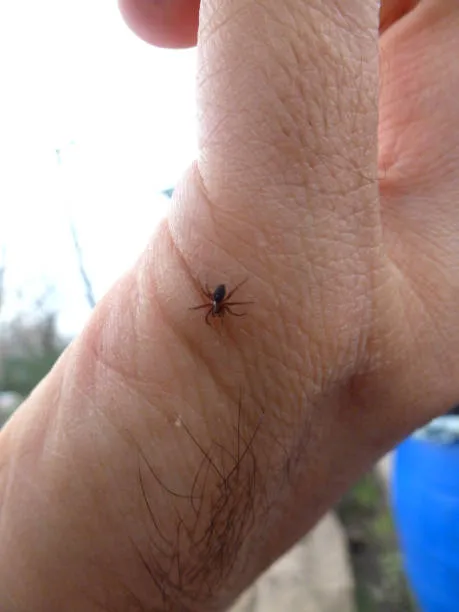
Medical treatment for a tarantula bite often depends on the severity of the symptoms. In most cases, the treatment is supportive and aims to alleviate the discomfort and manage any complications. If the bite site is very painful, a doctor might recommend over-the-counter pain relievers such as ibuprofen or acetaminophen. Antihistamines can be helpful to relieve itching and reduce swelling if an allergic reaction occurs. In cases where a secondary bacterial infection develops, antibiotics may be prescribed. For severe allergic reactions, immediate treatment with epinephrine (an EpiPen) may be necessary. A doctor will also assess the bite and offer treatment for any complications. Medical professionals can also provide advice and guidance on how to care for the bite and prevent future complications. Medical care will ensure proper healing and prevent further issues.
Preventative Measures
Prevention is always the best strategy when dealing with tarantulas. Understanding tarantula behavior and habitat can greatly reduce the risk of being bitten. Exercise caution around areas known to have tarantulas, such as deserts, grasslands, or tropical regions. If you are keeping a tarantula as a pet, handle it with great care, and never force interaction with it. The safest practice is to keep the spider in its enclosure and avoid direct contact. Always supervise children and educate them about the potential dangers of tarantulas. By taking appropriate precautions and understanding these animals, you can minimize the chance of being bitten and reduce anxiety. Prevention is the key to peaceful coexistence with tarantulas.
Understanding Tarantula Behavior
Tarantulas, while often feared, are generally docile creatures that prefer to avoid confrontation. They are not aggressive hunters and usually only bite if they feel threatened or provoked. Understanding their behavior is crucial to avoiding bites. Tarantulas may bite if they are accidentally stepped on, handled roughly, or perceive a threat to their safety. They may also bite if they are protecting their eggs or young. Before handling a tarantula, it is important to be well-informed. Avoid sudden movements and do not try to grab them. Always use appropriate tools when handling a tarantula. If you understand their behavior, you will have a much better chance of avoiding a bite.
Habitat & Location Awareness

Being aware of the habitats and locations where tarantulas live is also crucial for preventing bites. Tarantulas are found on every continent except Antarctica, and they live in diverse environments. These include deserts, grasslands, and tropical forests. Different species have specific habitat preferences, so knowing the local tarantula species can help you avoid contact. When in areas known to have tarantulas, exercise caution. This means being careful when walking through tall grass, under rocks, or near potential burrows. Wear appropriate clothing, like long sleeves and pants, to protect your skin. Be aware of your surroundings and avoid disturbing their natural habitat. With this awareness, you can reduce your risk of encountering a tarantula and being bitten.
Debunking Myths
Many myths surround tarantula bites, often leading to unnecessary fear and panic. It’s important to separate fact from fiction to understand the reality of these bites. Some myths include the belief that tarantula bites are always deadly or cause severe long-term health issues. The truth is that tarantula venom is not highly toxic to humans, and severe reactions are rare. Another common myth is that all tarantulas are aggressive and will bite without provocation. In reality, they prefer to flee from danger. Debunking these myths is important for helping to lessen the anxiety associated with tarantulas and their bites.
Common Misconceptions about Tarantula Bites
One common misconception is that tarantula bites are always fatal. This is simply untrue. Most tarantula bites cause only minor, localized effects. Another misconception is that all tarantulas possess the same level of venom toxicity. The reality is that the venom potency varies between species, and some have a more potent venom than others. People often believe that tarantulas are aggressive and seek out opportunities to bite. In fact, these spiders are generally shy and prefer to avoid confrontation. Finally, many people assume that all tarantula bites require immediate medical attention. In most cases, the symptoms can be managed at home. Understanding these common misconceptions can help people approach the topic with knowledge and realism.
Conclusion & Final Thoughts

In conclusion, understanding the facts about tarantula bites can help dispel fear and promote informed action. While these spiders are venomous, the impact on humans is often less severe than commonly believed. The bite itself is usually more of a physical trauma than a toxic event, causing localized pain and discomfort. While allergic reactions and other severe complications are possible, they are relatively rare. By knowing the immediate steps to take, how to seek proper medical care, and adopting preventative measures, individuals can stay safe and reduce the risks. Approaching the situation with knowledge, rather than fear, empowers individuals to respond effectively. Remember, the key to dealing with tarantula bites is informed awareness, preparation, and a measured response.