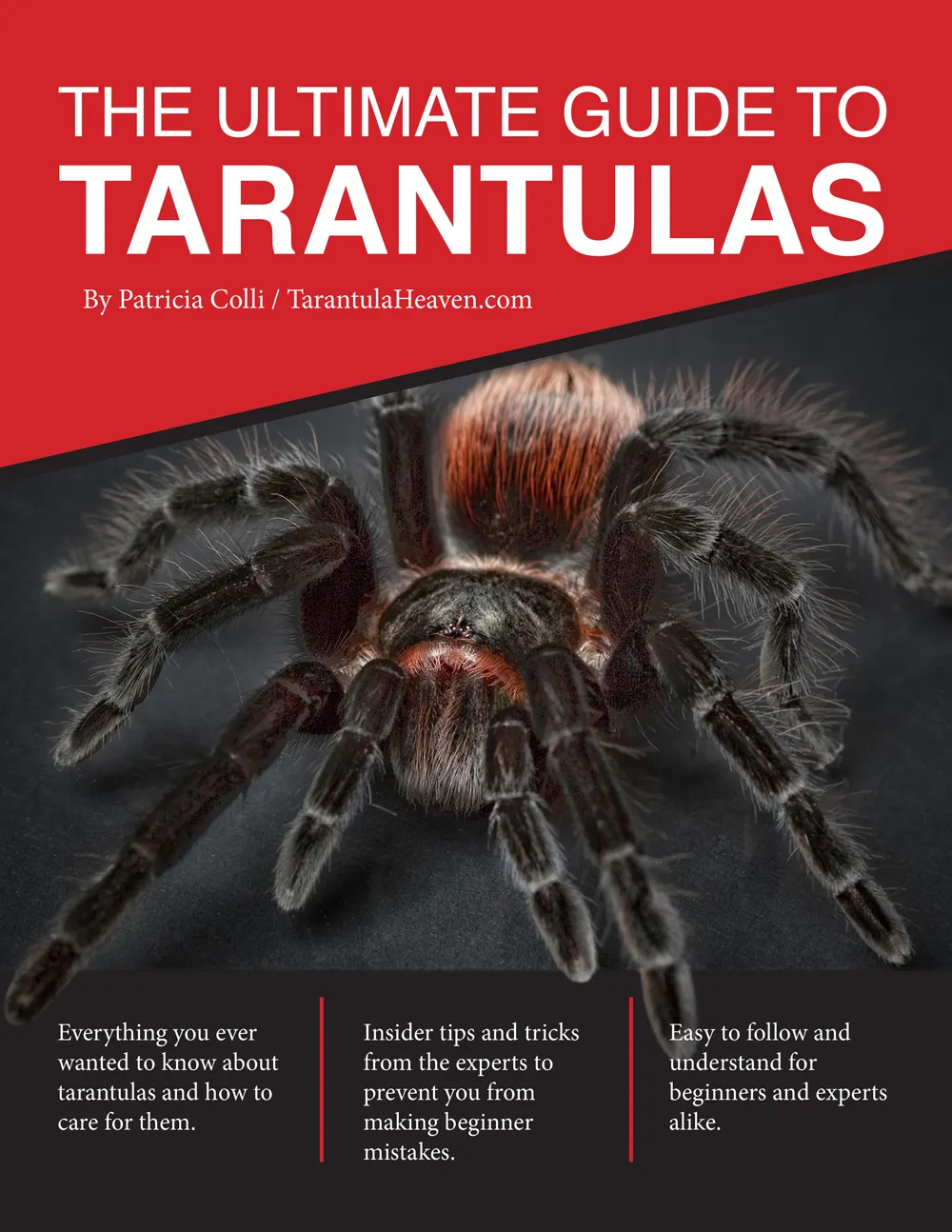
Embarking on the journey of tarantula breeding can be an incredibly rewarding experience for any arachnid enthusiast. However, it requires careful planning, meticulous execution, and a deep understanding of these fascinating creatures. This comprehensive guide provides the top 7 tips to increase your chances of successfully breeding tarantulas, from preparing your spiders to raising the spiderlings. With the right knowledge and dedication, you can witness the miracle of tarantula reproduction and contribute to the preservation of these amazing species. Let’s delve into the specifics of tarantula breeding and explore the essential steps involved in this exciting process.
Tip 1 Preparing Your Tarantulas for Breeding
Before attempting to breed your tarantulas, ensuring they are in optimal health is crucial. A well-fed and properly hydrated tarantula is more likely to successfully mate and produce viable offspring. This involves providing a balanced diet, including appropriate insects like crickets and roaches, and ensuring access to fresh water. Furthermore, it’s essential to accurately identify the sex of your tarantulas; the female is the primary target and the male is the mating partner. This is typically done by examining the tarantula’s shed exoskeleton under a microscope or through experience. Knowing the species and their specific requirements is also very important, as the time to maturity and the breeding process will differ depending on the specific tarantula species.
Identifying the Right Time for Breeding
Timing is everything when it comes to tarantula breeding. The ideal time to breed tarantulas varies depending on the species, but it often aligns with the rainy season in their natural habitat. This is because increased humidity and food availability tend to trigger mating behaviors. Consider the age of your tarantulas. Females need to be mature enough to produce viable eggs, which typically takes several years, depending on the species. Males, on the other hand, reach sexual maturity faster. Observe the male’s behavior; he will create a sperm web, a small mat of silk where he deposits his sperm before mating. The female will also exhibit signs of readiness, such as increased activity or interest in the male’s presence. Careful observation and research on your tarantula species is necessary to ensure successful breeding.
Understanding the Tarantula Breeding Cycle

The tarantula breeding cycle is a fascinating process that begins with courtship and culminates in egg laying. During courtship, the male approaches the female with caution, often drumming on the substrate to signal his intentions. If the female is receptive, she will allow the male to mate. Mating typically involves the male inserting his pedipalps (specialized appendages) into the female’s epigastric furrow to deliver sperm. Following mating, the male should be removed to prevent him from being eaten. The female will then create an egg sac, a silken structure where she deposits her eggs. The incubation period varies depending on the species. Understanding this cycle will prepare you for the stages involved in caring for your tarantulas.
Tip 2 Creating the Perfect Breeding Environment
Creating a suitable environment is essential for breeding success. Tarantulas thrive in environments that mimic their natural habitats. This means carefully controlling temperature, humidity, and providing appropriate substrate. Proper environmental conditions encourage the tarantulas to engage in mating behavior and increase the likelihood of successful reproduction. This also involves choosing an appropriate enclosure, ensuring it is large enough to accommodate both tarantulas during mating and the female throughout gestation. The environment must be escape-proof, and provide hiding places for the tarantulas. The setup can include elements from their natural environment, such as wood, cork bark, and other decor to make your tarantulas feel safe and comfortable.
Temperature and Humidity Control
Temperature and humidity are critical factors. Most tarantula species thrive in temperatures between 75°F and 85°F (24°C and 29°C), although specific requirements will vary. Use a thermometer to monitor the temperature in the enclosure, and adjust the heating source as needed. Humidity levels should also be carefully monitored and maintained. This can be achieved by misting the enclosure with water, using a humidity gauge, and ensuring proper ventilation. High humidity is important for the health of the tarantulas, particularly during the breeding period, but stagnant, overly humid conditions can lead to mold and other problems. Research the specific humidity requirements of your tarantula species and adjust accordingly.
Suitable Substrate and Enclosure Setup

The substrate, the material that covers the bottom of the enclosure, should be chosen carefully. It should be absorbent, hold humidity well, and provide a safe environment for the tarantulas. Common substrate choices include a mix of coconut fiber, peat moss, and vermiculite. The depth of the substrate will depend on the species; burrowing tarantulas require deeper substrate than arboreal species. The enclosure setup should also include hiding places, such as cork bark or artificial plants, where the tarantulas can retreat. Make sure the enclosure is secure, with a tight-fitting lid to prevent escapes. Providing a comfortable and enriching environment increases the chances of successful mating and egg sac production.
Tip 3 Introducing the Tarantulas
The introduction of the male to the female tarantula is a delicate process that requires careful observation and patience. It is always best to introduce the male to the female’s enclosure to reduce the risk of the female attacking the male. Introduce the male when the female appears receptive, which you can observe by her general behavior. Have your tools on hand and be ready to separate the tarantulas if the female shows signs of aggression. If the female is not receptive, it is best to separate the male and try again later. It is best to watch for signs of aggression from the female, and always be ready to intervene to protect the male. Observe the interaction closely, and be ready to intervene if necessary.
The Importance of Female Safety
The safety of the female should be the top priority during the introduction of the tarantulas. Female tarantulas can be aggressive and may attack and consume the male if she is not receptive or if the mating process does not go as planned. Always supervise the introduction, and have a plan for separating the tarantulas quickly if aggression is observed. This might involve using a long pair of tongs or a paintbrush to gently separate the spiders. Before attempting to introduce the male, make sure the female has been well fed, and is in good health. A well-fed female is less likely to see the male as a food source.
Observing the Mating Process

Observing the mating process is a unique experience. If the female is receptive, the male will approach her cautiously and begin drumming or vibrating his legs to signal his intentions. The male will then attempt to mate, which involves inserting his pedipalps into the female’s epigastric furrow. The process can last anywhere from a few seconds to several minutes. Once mating is complete, immediately remove the male from the enclosure to prevent the female from attacking and consuming him. Document the mating process with pictures or video. After the mating is complete, observe the female to see if she is receptive to the process.
Tip 4 Post-Mating Care for the Female
After mating, the female will require special care to support her health and the development of her eggs. Proper nutrition and a stress-free environment are essential for her to produce a healthy egg sac. Provide plenty of food, but avoid overfeeding, which can lead to health problems. Provide a stress-free environment, away from excessive noise or disturbances. The female will begin to prepare for the egg sac by spinning silk and may exhibit changes in behavior. Post-mating care is essential to give the female the best chance of producing a successful egg sac, and is an important step in the breeding process.
Providing Adequate Nutrition
A well-nourished female is crucial for the development of healthy eggs. Increase her feeding frequency, and offer a variety of nutritious insects, such as crickets, roaches, and mealworms. Monitor her weight and adjust the feeding accordingly. Avoid overfeeding, but ensure she has access to ample food. Always remove any uneaten food to prevent mold or mite infestations. Providing adequate nutrition will directly impact the quality and quantity of the eggs she produces.
Preparing for the Egg Sac

The female will start to create an egg sac, usually within a few weeks to a few months after mating. She will typically use silk to construct a protective enclosure for her eggs. During this time, it’s important to minimize disturbances and provide her with a secure and comfortable environment. You may notice changes in her behavior, such as increased web-spinning or a decrease in appetite. Provide her with a suitable place to build the egg sac, such as a burrow or a secure corner of the enclosure. Be patient and allow her to complete her process without interference.
Tip 5 Caring for the Egg Sac
Once the female has created the egg sac, you will need to provide the right conditions for the eggs to incubate. This includes maintaining the correct temperature and humidity levels and protecting the egg sac from damage. Carefully monitor the egg sac for signs of mold or other issues. Careful handling and monitoring are key to ensuring the survival of the developing spiderlings. Your actions will significantly impact the hatching rate and the health of the young spiders.
Incubation and Monitoring
The incubation period for tarantula eggs can vary widely depending on the species and environmental conditions. Monitor the enclosure temperature and humidity, and make adjustments as necessary. Avoid opening the enclosure unnecessarily, as this can disrupt the environment. Observe the egg sac for any signs of problems, such as mold or discoloration. If the female appears to be neglecting the egg sac, or if you are concerned about its condition, you may consider removing the egg sac for artificial incubation. If you choose to do this, be very careful in removing and handling the egg sac.
Handling and Separating Spiderlings

Once the spiderlings hatch, they will remain in the egg sac for a period of time. When the spiderlings are ready to disperse, the female will typically open the egg sac. At this point, you can choose to leave the spiderlings with the female or separate them. Separating the spiderlings will reduce the risk of cannibalism, which is common in tarantula spiderlings. If you decide to separate them, you will need to provide them with individual enclosures and appropriate food. Handle the spiderlings with great care, as they are very fragile at this stage. Provide each spiderling with a small enclosure, a hide, and access to water.
Tip 6 Raising Spiderlings
Raising spiderlings is a challenging but rewarding task. These young tarantulas require a lot of care and attention to ensure their survival and healthy growth. Proper feeding, housing, and sanitation are critical aspects of spiderling care. Provide the spiderlings with appropriate food, such as flightless fruit flies or pinhead crickets. Provide them with appropriately sized enclosures, and ensure they have access to water and hiding places. The first few months are critical for spiderling development and require constant attention.
Feeding and Housing Spiderlings
Spiderlings have specific needs when it comes to food. Feed them small insects, such as flightless fruit flies or pinhead crickets. The size of the prey should be appropriate for the size of the spiderlings. Feed them regularly, typically several times a week, and remove any uneaten food. Housing spiderlings requires individual enclosures, such as small deli cups or vials, with appropriate substrate, ventilation, and a small hide. Ensure the enclosure is escape-proof and easy to clean. As the spiderlings grow, you will need to upgrade their enclosures. Make sure to provide clean water at all times.
Preventing Cannibalism

Cannibalism is a significant concern with tarantula spiderlings. To prevent cannibalism, you should separate the spiderlings into individual enclosures as soon as possible. Provide each spiderling with adequate space, food, and hiding places. Ensure that the spiderlings are well fed, as hunger can increase the risk of cannibalism. Observe the spiderlings regularly for signs of aggression or cannibalistic behavior. If you witness any cannibalism, separate the affected spiderlings immediately.
Tip 7 Common Breeding Challenges
Tarantula breeding is not always successful. Many challenges can arise during the process, from breeding failure to disease. Being aware of these potential problems can help you troubleshoot and increase your chances of success. There may be times when the female does not accept the male, the egg sac fails to develop, or the spiderlings do not thrive. Understanding the common challenges, and taking preventive measures, can give you a better chance of successfully breeding your tarantulas. You can increase your odds of success by learning about common pitfalls and how to address them.
Dealing with Breeding Failure
Breeding failure can occur for various reasons. The female may not be receptive to the male, the mating may not be successful, or the egg sac may fail to develop. If the female does not produce an egg sac, review your husbandry practices and environment to ensure that the conditions are correct. If the egg sac fails to develop, it may be due to unfertilized eggs, poor environmental conditions, or other factors. If the female rejects the male, try introducing him again later, or try mating her with a different male. Learning from failures is a part of the breeding process, so take notes about the challenges and learn from them.
Managing Parasites and Diseases

Tarantulas can be susceptible to various parasites and diseases, especially in a breeding environment. Mites and other pests can infest the enclosure and affect the health of your tarantulas. Maintain a clean environment, and quarantine new tarantulas before introducing them to your collection. Regularly inspect your tarantulas for signs of parasites or diseases, such as mites, fungal infections, or other abnormalities. Treat any infestations or illnesses promptly with appropriate medications. Providing a healthy, clean environment is the best way to prevent parasites and diseases.
In conclusion, breeding tarantulas is a complex and rewarding endeavor that requires dedication, knowledge, and patience. By following these top 7 tips, you can increase your chances of successfully breeding these fascinating creatures and contributing to their preservation. Remember to research the specific requirements of your tarantula species, create an appropriate breeding environment, and be prepared to troubleshoot any challenges that arise. With careful preparation and attention, you can witness the miracle of tarantula reproduction and enjoy the satisfaction of raising healthy spiderlings. Good luck, and happy breeding!