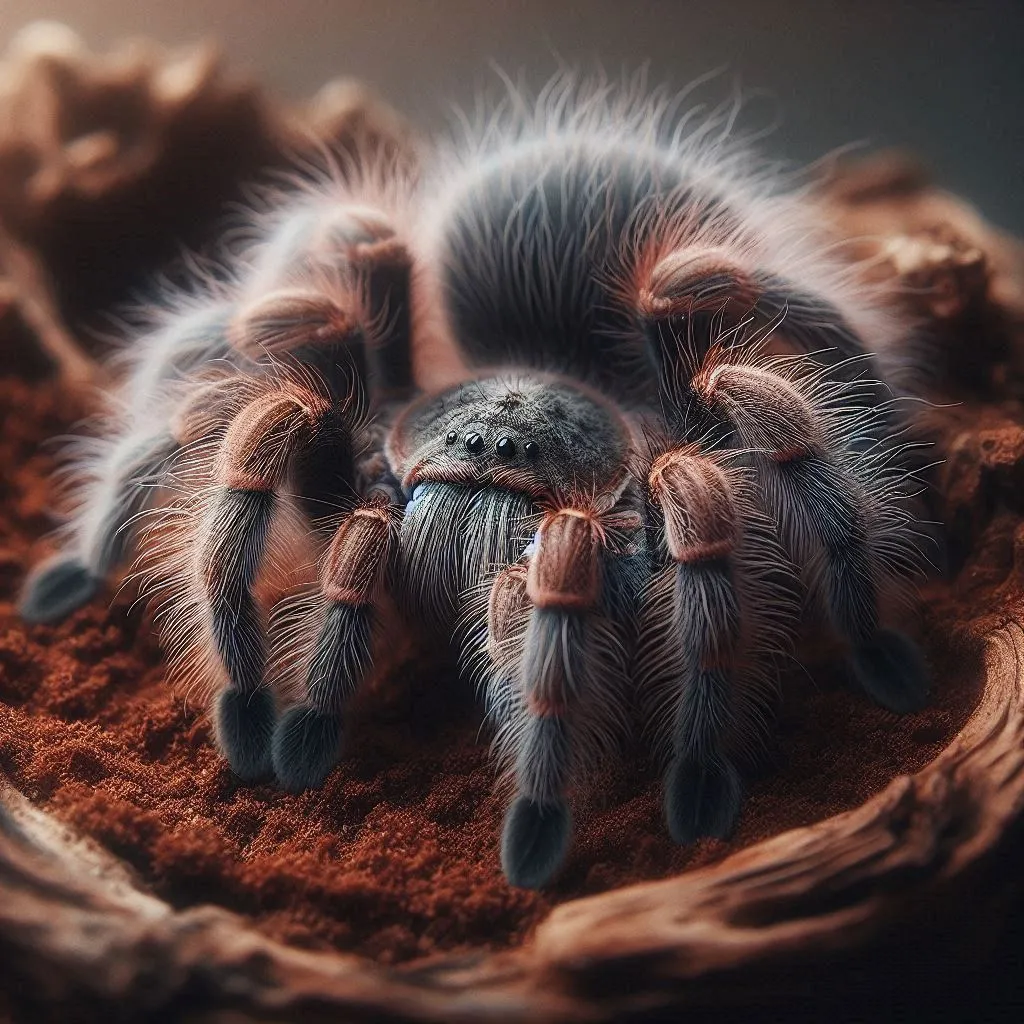
Understanding Tarantulas
Tarantulas, fascinating creatures that they are, have captivated the interest of many pet enthusiasts. Before you consider bringing one home, it’s essential to gain a solid understanding of these arachnids. They are not insects, but belong to the class Arachnida, and are characterized by their eight legs, two body segments (cephalothorax and abdomen), and the presence of fangs. Knowing the basics about tarantulas will help you provide the best possible care and create a safe and thriving environment for your new pet. This includes everything from their biology and natural habitat, to their specific needs for food and shelter.
Basic Tarantula Biology
Tarantulas, unlike many other pets, require a very specific set of conditions to thrive. They are arthropods, meaning they have an exoskeleton. This exoskeleton does not grow, so the tarantula must molt to grow larger. The process of molting involves shedding their old exoskeleton and growing a new, larger one. This process leaves them vulnerable, so it’s crucial to avoid disturbing them during this time. Understanding their biological needs is crucial. This includes recognizing their sensory abilities and behaviors, as well as knowing how to handle them responsibly. It is important to note that tarantulas have different venom strengths depending on the species.
Lifespan and Size

One of the fascinating aspects of owning a tarantula is their longevity. Female tarantulas generally live much longer than males, often ranging from 15 to 30 years, while males typically live only a few years after reaching maturity. The size of a tarantula varies greatly depending on the species. Some species, like the Goliath Birdeater, can have a leg span of up to 12 inches, while others are much smaller. When choosing a tarantula, consider the expected size and lifespan to ensure you can provide proper care for the long term. It is very important to understand this, as they require a long term commitment to have a happy and healthy life.
Tarantula Habitats
Creating the right habitat is critical to your tarantula’s well-being. The enclosure should mimic their natural environment as closely as possible. This will contribute to their health and encourage them to exhibit their natural behaviors. The size of the enclosure should be appropriate for the tarantula’s size, with enough space for movement and enrichment. The habitat should also provide secure shelter and appropriate conditions for temperature and humidity. It is important to understand the environmental needs of different tarantula species, as some may prefer drier or more humid conditions.
Enclosure Setup Guide
Setting up a tarantula enclosure is not just about providing a space, it’s about creating a home. The enclosure should be made of a secure material like glass or plastic, with proper ventilation to prevent the buildup of mold and maintain healthy air circulation. The size should be proportional to the tarantula’s size, with adequate space to move around and explore. The enclosure should also include a secure lid to prevent escape. It is very important to place the enclosure in a location that is not exposed to direct sunlight or drafts and where temperature fluctuations are minimal.
Substrate and Decor
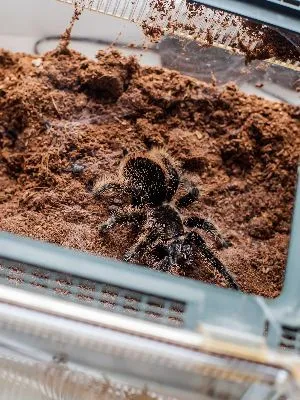
Substrate is the material that lines the bottom of the enclosure. It serves several purposes including providing a place for the tarantula to burrow, maintaining humidity, and absorbing waste. The best substrates are those that allow for natural behaviors and promote a healthy environment. Good choices include a mixture of coconut fiber, peat moss, or vermiculite. It is important to avoid substrates that can be harmful, such as cedar or pine shavings. Decorating the enclosure with items like cork bark, artificial plants, and sturdy hides can provide enrichment and security for your tarantula. Make sure the decor is non-toxic and free of sharp edges.
Temperature and Humidity
Temperature and humidity are critical factors in tarantula care. Most tarantulas thrive in temperatures between 75°F and 85°F. You can maintain these temperatures using a heat mat placed on the side of the enclosure, never directly underneath. It’s crucial to monitor the temperature using a reliable thermometer. Humidity requirements vary depending on the species, but generally, you want to aim for between 60% and 80% relative humidity. This can be achieved by misting the enclosure with a spray bottle, especially for arboreal species. A hygrometer will help you measure humidity accurately, allowing you to adjust the environment to meet your tarantula’s specific needs.
Feeding Your Tarantula
Feeding your tarantula is a straightforward process, but it is very important to get right. They are carnivores and primarily eat insects. The type of food you offer, the frequency of feeding, and the overall environment, all contribute to your tarantula’s health and vitality. A well-fed tarantula is more likely to thrive and exhibit healthy behaviors. It is also important to understand the tarantula’s natural feeding patterns. Do not overfeed your tarantula, as this can lead to health problems. Always remove any uneaten food to prevent mold and maintain a clean enclosure.
What to Feed Tarantulas

The ideal diet for a tarantula primarily consists of live insects. Crickets, mealworms, and roaches are readily available and nutritious choices. The size of the prey should be appropriate for the size of your tarantula. As a general rule, the prey should be no larger than the tarantula’s body. It is also important to vary the diet to provide a range of nutrients. Gut-load the insects before feeding them to your tarantula. Gut-loading involves feeding the insects a nutritious diet before offering them to your pet, thereby enriching their nutritional value. Always ensure the insects are free of pesticides or harmful chemicals.
Feeding Frequency and Schedule
The feeding frequency for tarantulas varies with their age and growth stage. Spiderlings, or young tarantulas, typically need to be fed more frequently than adults, sometimes every other day. As they grow, the frequency can be reduced. Adults can be fed once or twice a week, or even less often depending on the species. It is very important to monitor your tarantula’s body condition and adjust the feeding schedule accordingly. A tarantula that is too thin may be underfed, while one that is too plump may be overfed. Water should always be available and easily accessible.
Handling and Safety
Handling a tarantula is a delicate task that should be approached with caution and respect. While tarantulas are generally not aggressive, they can bite if they feel threatened. In addition to the bite, some species have urticating hairs that can cause skin irritation. Understanding the potential risks and taking the appropriate safety precautions is very important. Avoid handling your tarantula unless necessary, such as when moving them for enclosure cleaning. Always supervise children around tarantulas. And always be mindful of your movements to avoid startling the spider.
Safe Handling Practices

If you need to handle your tarantula, do so with a gentle touch and slow movements. The best way is to encourage the tarantula to walk onto your hand rather than trying to pick them up. Always handle the tarantula close to the ground or a soft surface in case it falls. Never handle a tarantula if you are unsure of its temperament or if it is about to molt. When handling, make sure you have washed your hands and are free from any strong scents that could upset your tarantula. It is very important to be patient and calm, and always respect the tarantula’s boundaries.
Identifying Potential Problems
When handling your tarantula, pay close attention to its behavior and physical condition. Look for any signs of distress, such as excessive twitching, loss of appetite, or lethargy. Check for any injuries or abnormalities, such as missing legs or injuries to the abdomen. The abdomen should be firm, but not overly distended. If you notice any potential problems, consult with a veterinarian who specializes in exotic animals or a knowledgeable breeder. A keen eye for detail and a proactive approach to your tarantula’s health can help prevent serious issues and allow you to intervene early if needed.
Common Health Issues
Like all pets, tarantulas can be susceptible to certain health issues. Some common problems include dehydration, mites, and injuries. Dehydration can be caused by insufficient humidity or lack of access to fresh water. Mites are small parasites that can infest tarantulas and cause irritation. Injuries can occur from falls or from being bitten by prey. Early detection and treatment are very important for resolving most issues. Prevention is always the best approach, so make sure you provide the appropriate environmental conditions, maintain a clean enclosure, and offer a balanced diet.
Moulting Process

Molting is a natural process that allows tarantulas to grow and replace damaged parts. During molting, the tarantula sheds its old exoskeleton and emerges with a new one. The process can take several hours, or even days, depending on the species and the size of the tarantula. Before molting, the tarantula may become lethargic, refuse to eat, and create a web mat. It is important to avoid disturbing the tarantula during molting. After molting, the tarantula will be soft and vulnerable for a few days. Provide a safe environment and avoid handling until the exoskeleton has hardened.
Recognizing and Addressing Problems
If you notice any signs of illness in your tarantula, it is important to address the problem quickly. Consult with a veterinarian who specializes in exotic animals or a knowledgeable breeder for advice. Depending on the issue, treatment may involve adjusting the environment, providing medication, or addressing an injury. Keeping a record of your tarantula’s behavior, feeding habits, and any changes can help you identify problems early. Be prepared to take swift action. A proactive approach to your tarantula’s health can ensure a long and happy life.
Maintaining a Healthy Tarantula
Caring for a tarantula is a commitment that requires knowledge, patience, and attention to detail. By following these guidelines, you can create a safe and stimulating environment for your pet. Regular observation, proper feeding, and a clean enclosure will contribute to a healthy and thriving tarantula. Always research your specific tarantula species and their specific needs. With the right care and attention, you can enjoy the fascinating world of tarantulas for many years to come.