Why Choose a Tarantula as a Pet
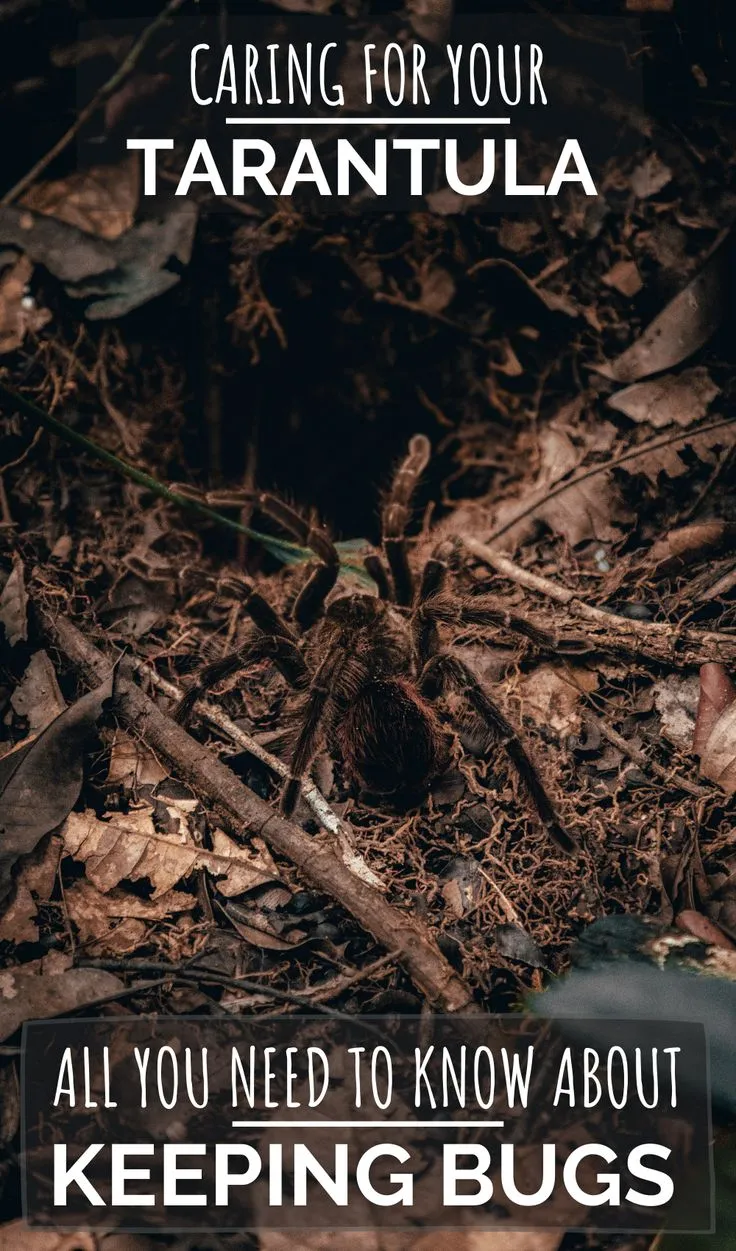
Choosing a tarantula as a pet can be an exciting decision, offering a unique perspective on the animal kingdom. Tarantulas, with their intriguing appearance and relatively low-maintenance needs, have gained popularity among pet enthusiasts. Unlike cats or dogs, tarantulas don’t require daily walks or constant interaction, making them suitable for individuals with busy lifestyles or those living in smaller spaces. Their quiet nature and captivating behaviors, like web-spinning and hunting, provide hours of fascinating observation. Moreover, tarantulas come in a stunning variety of colors, sizes, and species, each with its own distinct personality. This diversity allows potential owners to select a tarantula that best suits their preferences and experience level. Furthermore, the care for tarantulas can be a rewarding learning experience, as you gain a deeper understanding of arachnid behavior, habitat, and the delicate balance of their ecosystem. Before getting a tarantula it is important to learn more about this animal, its different types and how to take care of it
Understanding Tarantula Species
The world of tarantulas is incredibly diverse, encompassing a wide array of species, each with unique characteristics. Before acquiring a tarantula, it is important to understand the different types available, considering factors like size, temperament, and habitat requirements. Some species are known for their docile nature, making them ideal for beginners, while others may be more defensive. Researching different species will allow you to find a tarantula that is a good fit for your experience and lifestyle. Understanding the origin of the species is important as well as their habitat. Tropical tarantulas often require warmer, more humid environments, whereas desert species thrive in drier conditions. Familiarizing yourself with these nuances will help you recreate the appropriate environment for your tarantula to thrive, ensuring its health and well-being.
Popular Tarantula Species for Beginners

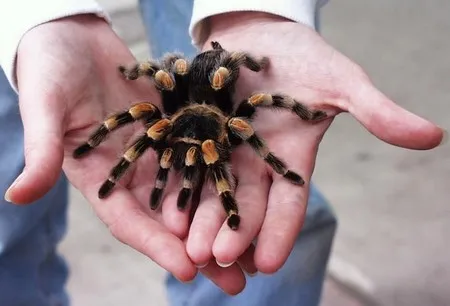
For those new to tarantula ownership, certain species are particularly well-suited due to their docile temperament and relatively easy care requirements. The Mexican Red Knee tarantula (Brachypelma hamorii) and the Chilean Rose tarantula (Grammostola rosea) are popular choices. These tarantulas are generally slow-moving, less prone to aggression, and have a robust build. Other beginner-friendly options include the Pinktoe tarantula (Avicularia avicularia), known for its arboreal lifestyle and vibrant colors. However, while these species are considered beginner-friendly, all tarantulas have the potential to bite or flick urticating hairs if provoked. As such, responsible handling and awareness of their behavior are crucial for any owner. Researching the specific needs of each species is essential to provide the best possible care. This includes understanding their preferred habitat, feeding habits, and any specific health considerations.
Choosing the Right Tarantula
Selecting the right tarantula involves careful consideration of your experience, lifestyle, and the specific needs of each species. Begin by researching different species and understanding their temperament, size, and care requirements. Consider your living situation and how much space you can dedicate to your new pet’s enclosure. Some tarantulas are arboreal, meaning they live in trees and require vertical space, while others are terrestrial, preferring a ground-level environment. Also, consider your comfort level with handling, as some species are more tolerant of human interaction than others. Before making a purchase, locate a reputable breeder or pet store specializing in tarantulas to ensure you are getting a healthy specimen. A healthy tarantula will be active, alert, and have a well-filled abdomen. Avoid tarantulas that appear lethargic, have a shrunken abdomen, or display any signs of illness. By considering these factors, you can choose a tarantula that is a good fit for you and your lifestyle.
Factors to Consider
Several factors should guide your tarantula selection. One of the most important considerations is your level of experience with exotic pets. Some tarantula species are best suited for experienced keepers due to their defensive behavior or specialized care requirements. The size of the tarantula, both as an adult and during its growth stages, is also important, because it will determine the size of the enclosure needed. Research the specific care needs of the species, including temperature, humidity, and substrate preferences. Consider your living environment, the noise levels, and the level of interaction you desire. Do you want a tarantula you can handle, or are you more interested in observing it? Also, consider the tarantula’s lifespan. Some species can live for over 20 years. Choosing a tarantula is a long-term commitment, so make sure you are prepared to provide the necessary care and attention for the entire duration of its life.
Setting Up Your Tarantula’s Enclosure

Creating the right environment is critical for your tarantula’s health and well-being. The enclosure should mimic the tarantula’s natural habitat, providing a safe and comfortable space to thrive. This includes proper size, substrate, decorations, and temperature and humidity control. A well-set-up enclosure not only provides the necessary conditions for the tarantula, but it also allows for better observation and appreciation of its unique behaviors. Before introducing the tarantula, make sure the enclosure is properly established, offering the right temperature, humidity, and hiding places. A properly set up habitat reduces stress and promotes the tarantula’s overall health. It will provide your pet with everything it needs to thrive in your home.
The Right Size and Type of Enclosure
Choosing the appropriate enclosure size is vital for the tarantula’s health and comfort. The general rule is to select an enclosure that is at least twice the tarantula’s leg span in width and length, and at least three times the leg span in height, especially for arboreal species. Consider the species you are caring for as adults and plan accordingly for their ultimate size. Glass or acrylic terrariums are common choices, offering good visibility and security. Make sure the enclosure has a secure lid to prevent escapes, as tarantulas can be surprisingly adept at climbing. Ventilation is critical to prevent the buildup of excessive humidity and the growth of mold. The enclosure should have adequate ventilation, either through vents in the lid or side panels, to allow for air circulation. The enclosure should be easy to clean and maintain, as you will need to remove waste, shed skins, and uneaten food regularly.
Substrate Selection
The substrate provides a comfortable surface for the tarantula and helps maintain the required humidity levels within the enclosure. The substrate should be deep enough to allow the tarantula to burrow, which is a natural behavior for many species. Several options are suitable for tarantulas. Coconut fiber is a popular choice, as it retains moisture well, is easy to clean, and is generally safe for tarantulas. Peat moss is another option, but it may be too acidic for some species. Avoid using substrates that can be harmful to tarantulas, such as wood chips or gravel. The substrate should be cleaned regularly to prevent the buildup of bacteria and mold. The frequency of cleaning will depend on the species and the size of the enclosure. A good rule is to spot-clean the enclosure daily to remove waste and uneaten food.
Decorating the Enclosure

Decorating the enclosure adds visual appeal and provides the tarantula with enrichment opportunities. Providing hiding places is essential, such as cork bark, artificial plants, or other safe shelters where the tarantula can retreat and feel secure. Arrange the decorations in a way that offers a variety of climbing opportunities for arboreal species. Avoid using sharp objects that could harm the tarantula. Artificial plants can be used, just ensure that they are made of non-toxic materials and are securely anchored to prevent them from falling. Decorations can also help to maintain humidity levels. Misting the enclosure regularly and creating humidity gradients will help the tarantula to thrive. When decorating the enclosure, remember to prioritize the tarantula’s well-being and safety.
Providing Proper Temperature and Humidity
Maintaining the appropriate temperature and humidity levels is essential for the health and well-being of your tarantula. These environmental factors mimic the tarantula’s natural habitat and support its overall health, molting process, and appetite. Temperature and humidity needs will vary by species, so it is important to research the specific requirements of your tarantula. Using a thermometer and hygrometer can help you monitor the enclosure’s conditions to ensure it stays within the optimal range. Make adjustments to the heating and humidity as needed to maintain the ideal conditions for your tarantula.
Heating Your Tarantula’s Habitat
Providing the right temperature is essential for tarantula care. Most tarantulas thrive in temperatures between 75°F and 85°F (24°C and 29°C). The best way to heat the enclosure is by using a heat mat or a ceramic heat emitter, placed on the side or the back of the enclosure to avoid direct contact with the substrate and risk burns. Avoid using heat lamps, as they can dry out the enclosure and can be a burn hazard. Ensure the heat source is regulated by a thermostat to maintain a consistent temperature. Regularly monitor the temperature with a thermometer, placing it at the level of the substrate and on the opposite side of the heat source. This will allow you to monitor if the temperature is ideal, or if you need to make any adjustments.
Humidity Control

Humidity is an important aspect of tarantula care, especially for species originating from humid environments. The ideal humidity range will vary depending on the species. You can maintain humidity by misting the enclosure with dechlorinated water, using a shallow water dish, and choosing a substrate that retains moisture well. The frequency of misting depends on the species. Some species require daily misting, while others only need it once or twice a week. Monitor the humidity levels using a hygrometer. If the humidity is too high, increase ventilation and reduce the misting frequency. If the humidity is too low, increase misting and consider adding a larger water dish. Make sure the ventilation is adequate to prevent mold growth. Proper humidity control supports the tarantula’s health and ensures successful molting.
Feeding Your Tarantula
Feeding your tarantula is a relatively straightforward process, but it is crucial to providing a balanced diet that supports its health and growth. The type of food, feeding frequency, and the size of the prey should align with the tarantula’s species, size, and age. Avoid overfeeding, as this can lead to obesity and other health problems. A healthy tarantula will have a full abdomen and be active and alert. By observing your tarantula’s eating habits, you can learn to adjust the feeding schedule and ensure that it receives the nutrition it needs.
What to Feed Tarantulas
Tarantulas are primarily insectivores, and their diet should mainly consist of insects. Crickets, mealworms, and roaches are commonly used as staple foods. The insects should be gut-loaded with nutritious food such as fruits and vegetables, before being fed to the tarantula. This helps to provide the tarantula with a more balanced diet. The size of the prey should be appropriate for the tarantula’s size, generally the same size as the tarantula’s abdomen. Remove any uneaten prey within 24 hours to avoid disturbing the tarantula and to prevent any potential health problems. Offer a variety of insects to provide a broader range of nutrients. This helps to prevent nutritional deficiencies.
Feeding Frequency

The feeding frequency depends on the tarantula’s age and the species. Young tarantulas that are actively growing should be fed more frequently, about two or three times a week. Adult tarantulas can be fed less frequently, usually once or twice a week. During molting, the tarantula may refuse food. It is best to remove any uneaten food and wait until the tarantula has molted before resuming feeding. It is important to monitor the tarantula’s abdomen. If the abdomen is very large, it is an indication that the tarantula is being overfed and the feeding frequency should be decreased. Adjust the feeding schedule accordingly based on the tarantula’s appetite and molting cycle.
Watering Your Tarantula
Providing a constant supply of fresh water is essential for your tarantula’s health and hydration. Tarantulas drink water regularly, particularly after molting or when they are dehydrated. Make sure the water is accessible and clean. Monitor the water source daily and replace it regularly to maintain the cleanliness of the water and to ensure there is no bacterial growth.
Providing Fresh Water
Provide a shallow water dish that is easily accessible, large enough for the tarantula to drink from, and positioned to avoid accidental drowning. Use a water dish that is shallow enough to prevent drowning. Place the dish on the substrate and ensure it remains stable. Clean the water dish regularly to prevent the growth of algae or bacteria. Replace the water every one to two days. You can use tap water, but it should be dechlorinated before use. Always use fresh, clean water for your tarantula. The water dish is essential, as some species might not drink from a water source like misting.
Misting the Enclosure
Misting is an alternative or complementary method of providing water. It is often used to increase humidity, particularly for species from humid environments. Use a spray bottle to mist the enclosure. Avoid spraying the tarantula directly. Mist the sides of the enclosure and the substrate to create humidity. The frequency of misting depends on the species and the humidity levels. Monitor the humidity levels and adjust the misting frequency accordingly. When misting, use dechlorinated water that is at room temperature. Ensure that the enclosure has good ventilation. Do not over-mist the enclosure, as this can lead to mold and other health problems.
Handling Your Tarantula Safely
Handling a tarantula can be a thrilling experience. However, it is important to prioritize the safety of both the tarantula and yourself. Not all tarantulas enjoy being handled. Some species are more docile and less prone to defensive behaviors, while others are more likely to bite or flick urticating hairs. Before handling your tarantula, always research the specific behavior of the species. Always wash your hands before and after handling. Avoid touching the tarantula with your hands, and use a soft brush to gently guide it if necessary.
When to Handle and When to Avoid
Not all tarantulas enjoy being handled. Many species prefer to be left alone and are easily stressed. If your tarantula appears agitated, defensive, or is flicking urticating hairs, it is best to leave it undisturbed. When handling, do so gently and slowly. Never handle your tarantula after it has just eaten or before or after molting. Avoid handling any tarantula if it is not used to being handled or if you are uncertain of its temperament. If you decide to handle your tarantula, do so in a safe, enclosed area, and handle it close to the ground or a soft surface to prevent injury if it falls.
Safety Precautions
Prioritize your safety when handling a tarantula. Always wash your hands thoroughly before and after handling to prevent the transfer of any germs or chemicals. Avoid handling if you are allergic to insect bites or have sensitive skin, as some tarantulas can trigger allergic reactions. Be aware of the potential risks involved. Bites from tarantulas, although rarely life-threatening, can be painful. Some species possess urticating hairs that can cause skin irritation and itching. If you are bitten or come into contact with urticating hairs, seek medical attention if necessary. Always supervise children when they are around tarantulas. Never leave a tarantula unattended when it is out of its enclosure.
Recognizing and Addressing Health Issues
Keeping a close eye on your tarantula’s health is crucial for identifying and addressing any potential issues promptly. Regular observation of its behavior, appearance, and eating habits is vital. Being able to recognize the signs of a healthy tarantula allows you to quickly detect any anomalies and seek the necessary care. Early intervention can prevent minor issues from becoming more serious and ensure your tarantula thrives.
Common Health Problems
Tarantulas are generally hardy creatures, but they can still experience health problems. One of the most common issues is dehydration, which can be caused by low humidity or insufficient water. Look for signs of dehydration, such as a shrunken abdomen and lethargy. Parasites can also affect tarantulas, though they are not common. The most common type of parasite is mites. Mites can be a nuisance, affecting the tarantula’s health, and they can also be indicative of a larger problem. Make sure you check and examine your tarantula regularly to identify any signs of mites. Other potential health problems include fungal infections and injuries from falls or handling. These and other health problems can be prevented or addressed by providing the right environment and ensuring appropriate husbandry practices. Seek veterinary advice from a reptile or exotic animal specialist if you are concerned about your tarantula’s health.
Signs of a Healthy Tarantula
A healthy tarantula exhibits several key characteristics. A healthy tarantula is alert and active, moving around its enclosure and exploring its environment. It should have a well-filled abdomen, which indicates that it is eating regularly. The tarantula’s body should be free of any visible injuries or deformities. A healthy tarantula molts regularly, growing and shedding its exoskeleton. The molting process is normal, but it is also a stressful period. Be sure to keep the enclosure well-maintained and free of any possible disturbances. A healthy tarantula has a healthy appetite and readily consumes insects. If you observe these signs, you can be assured that your tarantula is in good health and that you are providing it with the necessary care.
Conclusion
Caring for a tarantula can be a rewarding experience. By understanding their needs, creating an appropriate environment, and practicing responsible handling, you can provide your tarantula with a fulfilling life. This guide has equipped you with the essential knowledge to get started with tarantula care, from selecting the right species and setting up their enclosure to providing proper temperature, humidity, and feeding. Remember that each tarantula is an individual, and their specific needs may vary. Ongoing research and a willingness to learn are crucial for successful tarantula ownership. Enjoy the journey of observing and caring for these fascinating creatures.