
Choosing Your Tarantula
Embarking on the journey of tarantula ownership is an exciting venture, but it’s crucial to begin with informed decisions. The choice of your first tarantula is paramount to a successful and fulfilling experience. This guide serves as a comprehensive handbook, ensuring you’re well-prepared to provide the best care for your new pet. Selecting the right species and understanding their specific needs sets the foundation for a healthy and thriving tarantula. Taking the time to research and learn about these fascinating creatures will significantly increase your chances of success and enjoyment. Start with a species known for its docile temperament and ease of care, which can make the introduction to tarantula ownership more manageable and less stressful. Consider the commitment involved in providing proper care. Remember, a tarantula can live for many years.
Selecting the Right Species
Not all tarantula species are created equal in terms of care requirements and temperament. For beginners, it’s highly recommended to start with a docile and hardy species. Popular choices include the Chilean Rose Hair (Grammostola rosea), the Pinktoe Tarantula (Avicularia avicularia), or the Curly Hair Tarantula (Tliltocatl albopilosus). These species are generally known for their gentle nature and relatively simple care needs. Researching the specific species you’re interested in is essential. Consider their adult size, temperament, and specific environmental needs. Some species are terrestrial, meaning they live on the ground, while others are arboreal, living in trees. This difference directly impacts the type of enclosure you’ll need. Learning about their natural habitats will also help you to replicate their needs.
Considerations for Beginners

Several factors should be considered when choosing your first tarantula. Consider the space you have available for the enclosure, as some species can grow quite large. Also, think about your comfort level with handling your pet. Some tarantulas are more prone to biting or flicking urticating hairs (small, irritating hairs they use for defense). Your budget is also important; the cost of tarantulas varies depending on the species and age. Furthermore, it’s critical to prepare yourself for the commitment required to properly care for a tarantula. This includes regular feeding, habitat maintenance, and monitoring of your pet’s health. The more prepared you are, the more rewarding the experience will be.
Setting Up the Tarantula’s Habitat
Creating the right habitat is essential for the health and well-being of your tarantula. A well-designed enclosure will mimic the spider’s natural environment, providing the necessary conditions for them to thrive. This setup involves choosing the appropriate enclosure, selecting the right substrate, and controlling temperature and humidity. A proper setup reduces stress on the tarantula, which promotes better health, and makes them more comfortable and more likely to eat. A comfortable tarantula is a healthy tarantula. Careful planning will provide a suitable home for your spider.
Choosing the Right Enclosure
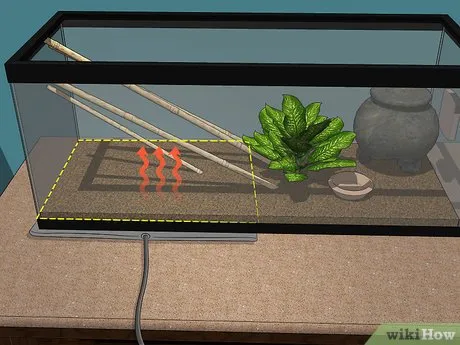
The type of enclosure you choose depends on the species of tarantula. For terrestrial species, a wider enclosure is preferable, providing ample floor space for roaming. Arboreal species, on the other hand, require taller enclosures to allow them to climb and feel secure. The enclosure should be appropriately sized for your tarantula’s adult size; too large an enclosure can make feeding more difficult, especially for spiderlings. Ventilation is crucial; the enclosure should have good airflow to prevent the buildup of humidity that can lead to mold and health issues. Make sure the enclosure is escape-proof, with a secure lid. Plastic or glass terrariums are common choices, but the best choice depends on your specific needs.
Substrate Selection

The substrate serves as the flooring of your tarantula’s enclosure and plays a vital role in maintaining the correct humidity levels. The best substrates hold moisture, allowing the tarantula to burrow. Popular choices include coco fiber, peat moss, and a mixture of the two. Avoid substrates that are dusty or treated with chemicals. The depth of the substrate should be sufficient for the tarantula to burrow, typically 2–6 inches depending on the species. Changing the substrate regularly is important to prevent the buildup of waste and bacteria. Ensure your choice is nontoxic, and safe for your tarantula to create a healthy environment. Proper substrate is fundamental to your tarantula’s habitat.
Temperature and Humidity Control
Tarantulas are ectothermic, meaning they rely on their environment to regulate their body temperature. The ideal temperature range for most tarantulas is between 75°F and 85°F (24°C–29°C). You can use a heat lamp or a heat mat placed on the side of the enclosure to maintain the correct temperature. Humidity levels vary depending on the species, but generally, a humidity level of 60–80% is appropriate. You can monitor humidity with a hygrometer. Regularly misting the enclosure with water can help to maintain the necessary humidity. Avoid placing the enclosure in direct sunlight, as this can overheat it. Consistent monitoring and adjusting these environmental factors will ensure a healthy and happy tarantula.
Providing Hides and Decorations
Tarantulas are naturally shy creatures that need a place to hide and feel secure. Providing hides is crucial for reducing stress. Suitable hide options include cork bark, artificial plants, or commercial hides. Arrange the hides and decorations to allow the tarantula to move around freely. Artificial plants not only provide hiding places, but they also add to the humidity. The presence of hides and decorations will make the tarantula feel more secure. Ensure the decorations are non-toxic and have no sharp edges. A well-decorated enclosure offers an environment your tarantula will appreciate and provides enrichment.
Feeding Your Tarantula
Feeding your tarantula is a fundamental part of its care. Understanding the appropriate diet and feeding schedule is essential to ensure your tarantula’s health and longevity. Overfeeding can be as detrimental as underfeeding, so careful monitoring is required. Their diet consists primarily of insects, and it’s important to provide a varied and appropriate diet to promote overall well-being. Regular feeding, with the correct prey, is an easy way to provide the essential nutrients your tarantula needs.
What to Feed Your Tarantula
The primary diet for most tarantulas consists of live insects. Crickets, mealworms, and roaches are commonly available and nutritious food options. The size of the prey should be appropriate for the size of your tarantula; generally, the prey should be no larger than the tarantula’s abdomen. Dusting the insects with calcium and vitamin supplements before feeding can help to provide additional nutrients. Avoid feeding insects that have been exposed to pesticides. You can purchase these insects at most pet stores. Ensure that the prey is from a reputable source and is healthy. Providing a balanced diet keeps your tarantula healthy.
Feeding Frequency
The feeding frequency will depend on the age and size of your tarantula. Spiderlings require more frequent feeding, typically every other day. As they grow, the feeding frequency can be reduced to once or twice a week for adults. Overfeeding can lead to obesity, which can shorten the lifespan of your tarantula. Observe your tarantula’s behavior; if it refuses to eat, it may be preparing to molt. Remove any uneaten prey after 24 hours to prevent stress. Adjust the feeding schedule based on your tarantula’s individual needs and appetite. Careful monitoring and attention to detail are essential.
Watering Your Tarantula

Providing access to fresh water is essential for your tarantula’s health. You can offer water in a shallow dish or a water gel. The water dish should be shallow enough that the tarantula can easily access it without risk of drowning. For spiderlings, you can drip water onto the side of the enclosure. Regularly change the water to prevent contamination. Ensure the water source is always clean. The proper hydration helps the tarantula with molting, digestion, and overall health. Keep the water source clean and accessible to your tarantula to provide the moisture it needs.
Handling Your Tarantula
Handling a tarantula is a complex matter, and it’s a decision that should be made with careful consideration. While some tarantulas are docile and tolerant of handling, others are not. Understanding your tarantula’s temperament and the potential risks involved is essential. Always prioritize your tarantula’s safety and well-being, and never force interactions. Proper handling practices and understanding when to avoid it altogether are critical. It is important to be aware of any potential risks before you start handling the tarantula.
When to Avoid Handling
There are several times when handling your tarantula should be avoided. Never handle a tarantula that is about to molt; this process is stressful, and handling could cause injury. Avoid handling recently molted tarantulas, as their fangs and exoskeleton are still soft. Similarly, avoid handling a tarantula after feeding, as it may be more defensive. Avoid handling during the day. Generally, it’s best to limit handling to a minimum, to avoid stressing your tarantula. Always be aware of your tarantula’s posture and behavior, and back off if it seems agitated.
How to Handle Safely
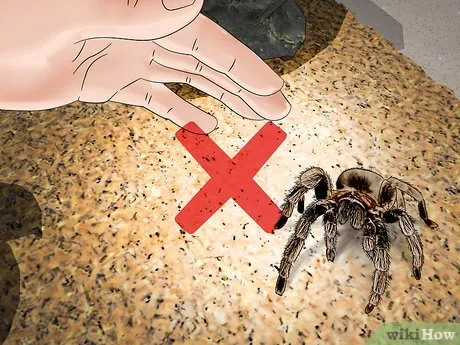
If you choose to handle your tarantula, do so with caution and respect. Handle over a soft surface, such as a bed or a carpet, in case the tarantula falls. Allow the tarantula to walk onto your hand gently. Avoid making sudden movements, which can startle the spider. Avoid holding the tarantula for an extended period. Watch the tarantula’s behavior carefully for signs of stress or agitation. If the tarantula flicks its legs or raises its front legs, it is a sign that it feels threatened. It’s safer to avoid handling these tarantulas to avoid being bitten. Careful handling is a must.
Common Tarantula Health Issues
Like any pet, tarantulas can be susceptible to health issues. Recognizing the signs of illness and knowing how to provide preventative care is important for keeping your tarantula healthy. Most health issues can be avoided with appropriate husbandry and habitat management. The key to prevention is knowledge, observation, and a proactive approach to your tarantula’s well-being. Proper care will reduce the likelihood of health problems.
Recognizing Signs of Illness
Common signs of illness in tarantulas include loss of appetite, lethargy, and unusual behavior. Other indicators include changes in posture, such as lying on their back for extended periods. Also look for any unusual discolorations or visible parasites. A tarantula that is having difficulty molting may be a sign of health problems. Contact a veterinarian or an expert tarantula keeper if you observe anything concerning. Early detection of illness is key to successful treatment. Proper monitoring can help to identify issues early.
Molting and What to Expect

Molting is a natural process in which a tarantula sheds its exoskeleton to grow. The frequency of molting depends on the age of the tarantula; young tarantulas molt more frequently than adults. During molting, the tarantula may appear sluggish and refuse to eat. Do not disturb the tarantula during this process. After molting, the tarantula’s new exoskeleton will be soft and vulnerable; avoid handling it during this time. It may take a few days for the tarantula to harden, and it can eat again. A successful molt indicates a healthy tarantula.
Preventative Care
Preventative care is the key to maintaining your tarantula’s health. Provide a clean and properly maintained habitat with appropriate temperature and humidity. Feed your tarantula a balanced diet of live insects. Avoid overcrowding the enclosure. Regularly monitor your tarantula for any signs of illness or distress. Regular observations can help you to notice issues. Also quarantine new tarantulas before introducing them to other pets to prevent the spread of disease. A proactive approach to care will go a long way in keeping your tarantula healthy.
Conclusion
Caring for a tarantula can be a rewarding experience for beginners. Providing a suitable environment and understanding their specific needs will allow your tarantula to thrive. Start with a well-researched plan and be prepared to commit to the care of your tarantula. Always prioritize the well-being of your pet. Embrace the learning process and enjoy the unique experience of keeping these fascinating creatures. With patience and dedication, you can ensure a long and fulfilling life for your tarantula. With a little effort, you will be well on your way to being a tarantula expert.