The Wonder of Tarantula Egg Sacs
The world of tarantulas is filled with fascinating behaviors, and one of the most captivating is the creation and care of their egg sacs. For tarantula enthusiasts and breeders, understanding the intricacies of tarantula egg sac hatching is crucial for the successful propagation of these magnificent arachnids. From the initial formation of the egg sac to the emergence of tiny spiderlings, the process is a marvel of nature’s design. This guide will delve into the secrets of tarantula egg sac hatching, providing valuable insights and practical advice for anyone interested in this remarkable aspect of tarantula life.
What is an Egg Sac
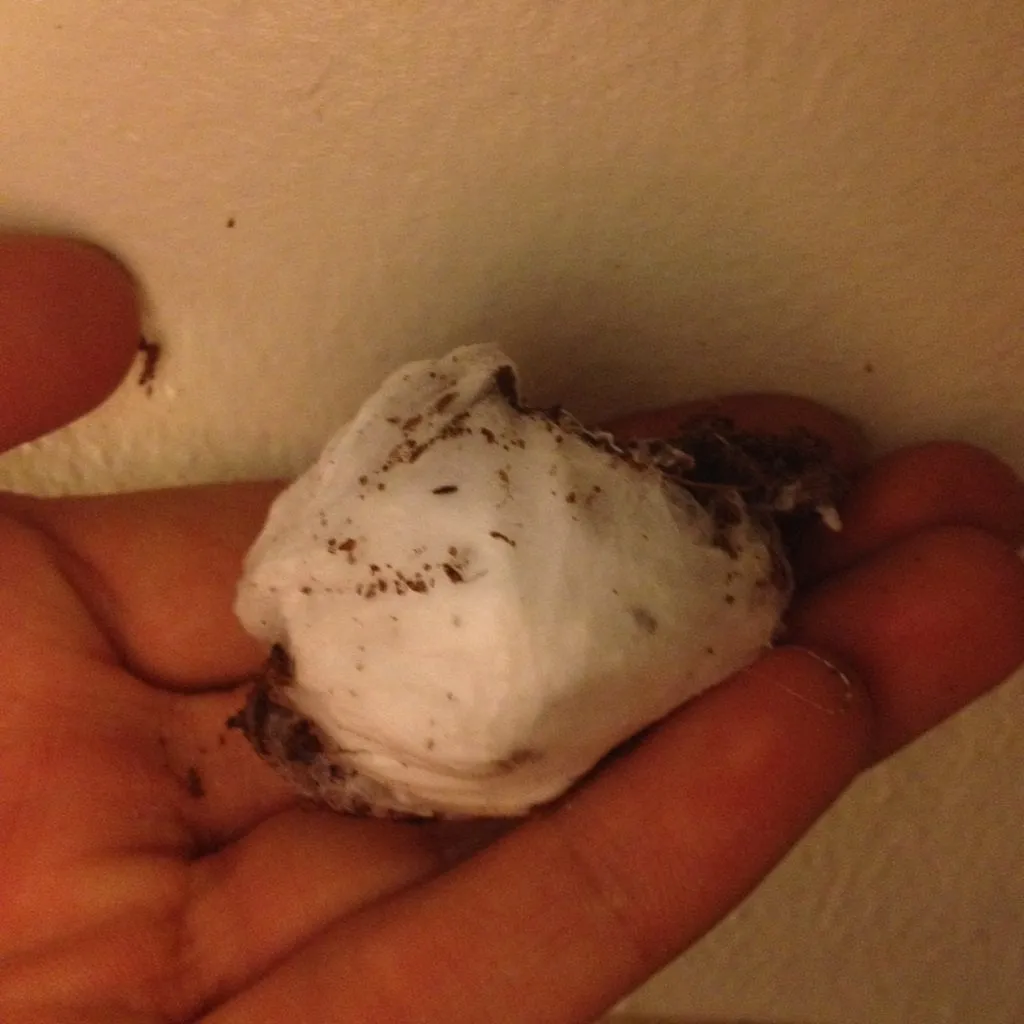
An egg sac, also known as an ootheca, is a silken structure created by the female tarantula to protect her eggs. This protective case is crafted from silk produced by the spinnerets located at the rear of the tarantula’s abdomen. The female meticulously weaves the silk around the eggs, forming a compact, durable sphere or disc-shaped structure that safeguards the developing embryos from environmental hazards and predators. The size and shape of the egg sac can vary depending on the tarantula species, but the fundamental purpose remains the same — ensuring the survival of the next generation.
The Purpose of the Egg Sac

The primary function of the egg sac is to provide a safe and stable environment for the developing spiderlings. It protects the eggs from desiccation, temperature fluctuations, and physical damage. The silk also acts as a barrier against potential predators, such as mites and other insects. The female tarantula typically guards the egg sac diligently, often carrying it with her or positioning it in a secure location within her burrow or enclosure. This dedicated care is a testament to the importance of the egg sac in ensuring the successful hatching and survival of the young tarantulas. Without the egg sac, the eggs would be extremely vulnerable to the harsh elements of the environment and have a much lower chance of survival.
Egg Sac Development
Egg sac development is a fascinating process that unfolds over several weeks to months, depending on the species and environmental conditions. After the female has laid her eggs, she carefully wraps them in silk, creating the initial egg sac. Inside, the eggs undergo a series of developmental stages. Initially, the eggs are small and opaque. Over time, they absorb nutrients and undergo cell division, gradually increasing in size and becoming more translucent. The female tarantula usually keeps the egg sac in a safe and secluded area, turning it periodically to ensure even development and aeration. The duration of egg sac development varies, with some species hatching in a few weeks, while others may take several months. Factors such as temperature, humidity, and the female’s care play a crucial role in the successful completion of this process. (egg-sac-development.webp)
Tarantula Egg Sac Hatching Secrets
Optimal Temperature and Humidity

Maintaining the correct environmental conditions is crucial for successful tarantula egg sac hatching. Temperature and humidity are the two most critical factors. Most tarantula species thrive in a temperature range of 75-85°F (24-29°C). Temperature fluctuations can be detrimental, so a consistent temperature is essential. Humidity levels should be monitored and adjusted based on the species’ needs. Generally, a humidity level of 70-80% is ideal for many species. High humidity is particularly important during the hatching period to prevent the eggs from drying out. Use a reliable thermometer and hygrometer to monitor these conditions closely. Some breeders utilize incubators to maintain precise control over these parameters. (tarantula-female.webp)
Maintaining the Right Environment
To maintain the correct environment, you’ll need to regularly mist the enclosure, especially if you’re keeping the egg sac in a drier climate. Use a spray bottle with distilled water to avoid introducing harmful chemicals. Ensure adequate ventilation to prevent mold and fungal growth, which can be fatal to the developing eggs. Proper ventilation doesn’t mean constant airflow; it should be sufficient to prevent moisture buildup. You can achieve this by providing small air holes in the enclosure or by slightly opening the lid. Regularly check the enclosure for signs of mold or other issues, and adjust your maintenance routine as needed. Avoid direct sunlight, as it can overheat and dry out the egg sac. The goal is to create a stable, humid environment similar to the tarantula’s natural habitat.
Signs of Imminent Hatching
Several signs can indicate that the egg sac is close to hatching. One of the most noticeable is a change in the egg sac’s appearance. It may become slightly translucent, allowing you to see the developing spiderlings inside. You may also observe the female tarantula becoming increasingly restless and protective of the egg sac. She might handle it more frequently or keep it closer to her body. Additionally, you may notice small movements within the egg sac as the spiderlings become active. Sometimes, the egg sac may appear to change shape slightly as the spiderlings shift. The duration of these signs can vary, but they typically indicate that hatching will occur within a few days to a week. Monitoring these signs carefully allows you to prepare for the next stage and provide the best possible care for the newly hatched spiderlings. (hatching-tarantulas.webp)
The Hatching Process

The hatching process itself is a remarkable event. The spiderlings, initially in a pre-spiderling stage called the “nymph” stage, will break free from the egg sac. This can be a gradual process, with the spiderlings slowly emerging over a period of several hours or even days. After emerging, they will look like tiny versions of the adult tarantula, although their colors may be less vibrant. The spiderlings will cluster together, often remaining in the vicinity of the egg sac for a while. They are still very vulnerable at this stage and rely on the mother (if she hasn’t eaten them) or, in the case of breeders, the care provided. The female will usually stay with the spiderlings for some time, protecting them from harm and providing initial care, although some species do not exhibit maternal behavior. (tarantula-egg-sac.webp)
Caring for Spiderlings After Hatching
Initial Care Requirements
After hatching, the spiderlings require a carefully managed environment to ensure their survival and healthy development. The enclosure should be small, clean, and provide adequate ventilation. A suitable substrate, such as slightly moistened peat moss or vermiculite, should be used to maintain humidity. Provide a shallow water dish with fresh, clean water. Maintaining the correct temperature and humidity levels is crucial, as discussed earlier. Spiderlings are very sensitive to environmental changes, so a stable and consistent environment is essential. Handling should be avoided to prevent injury to the delicate spiderlings. Regular monitoring for any signs of stress or illness is also vital. (spiderling-care.webp)
Feeding and Watering

Feeding spiderlings requires careful attention. They need a diet of small, live prey items that are appropriate for their size. Fruit flies (Drosophila melanogaster or hydei) are a common choice, as are pinhead crickets. Make sure the prey items are appropriately sized so the spiderlings can capture and consume them easily. Feed them frequently, typically every other day or every day, depending on their size and growth rate. Remove any uneaten prey items after a few hours to prevent them from stressing or harming the spiderlings. The water dish should be shallow to prevent the spiderlings from drowning, and the water should be changed frequently to keep it fresh and clean. Regularly check that the spiderlings are feeding by observing the size of their abdomens; a well-fed spiderling will have a round, plump abdomen. (spiderling-feeding.webp)
Housing the Spiderlings
As the spiderlings grow, they will need to be moved to individual enclosures to prevent cannibalism. This process is known as ‘slinging’ or separating the spiderlings. This is because tarantulas, even as spiderlings, are prone to cannibalism, and overcrowding can lead to significant losses. Individual enclosures should be small, well-ventilated containers with a suitable substrate and a small water dish. Provide a hide, such as a piece of bark or a small plastic hide, to give them a sense of security. The size of the enclosure should be appropriate for the size of the spiderling, allowing them to move around comfortably without feeling overwhelmed. As they molt and grow, you will need to provide larger enclosures. (spiderling-housing.webp)
Common Hatching Challenges
Dealing with Mold and Fungus

Mold and fungus are significant threats to tarantula egg sacs and spiderlings. They thrive in humid environments and can quickly spread, leading to egg and spiderling mortality. Prevent mold and fungus by maintaining proper ventilation, avoiding overwatering, and regularly cleaning the enclosure. If you notice mold, carefully remove the affected areas and increase ventilation. Consider using a fungicide specifically designed for terrariums, but always consult with an expert before applying any chemicals near the egg sac or spiderlings. Early detection and prompt action are crucial in preventing the spread of these harmful organisms.
Preventing Predation
Predation is a significant concern for tarantula eggs and spiderlings. In a captive environment, the primary predators are other tarantulas, especially the female, and other insects. To prevent predation, separate the egg sac from other tarantulas if possible. Keep the enclosure clean and free of other insects that might prey on the spiderlings. Monitor the spiderlings closely for any signs of injury or stress. If you are breeding multiple species or have a large collection, ensure the enclosures are adequately spaced to prevent escapes and cross-contamination. Use secure lids and regularly inspect the enclosures for any signs of breach or damage.
Ensuring Survival Rates
The successful hatching and rearing of spiderlings depend on several factors, including maintaining optimal environmental conditions, providing appropriate food and water, and preventing predation and disease. Regular observation and careful monitoring of the egg sac and spiderlings will help identify any potential problems early on. Proper preparation and planning are also vital. Ensure that you have the necessary equipment, supplies, and knowledge before attempting to hatch and rear tarantula spiderlings. By following these guidelines and paying close attention to detail, you can significantly increase the survival rate of your tarantula spiderlings and contribute to the preservation of these remarkable creatures.
Conclusion

Tarantula egg sac hatching is a fascinating process that requires patience, knowledge, and attention to detail. By understanding the secrets of tarantula egg sac hatching, you can significantly increase your chances of successfully raising healthy spiderlings. Remember that success is not just about hatching the eggs, but also about providing the best possible care to ensure the survival and well-being of the young tarantulas. Continued learning, careful observation, and a passion for these amazing creatures are the keys to success in the world of tarantula breeding. With the right knowledge and dedication, you can experience the wonder and rewards of witnessing the next generation of tarantulas thrive.