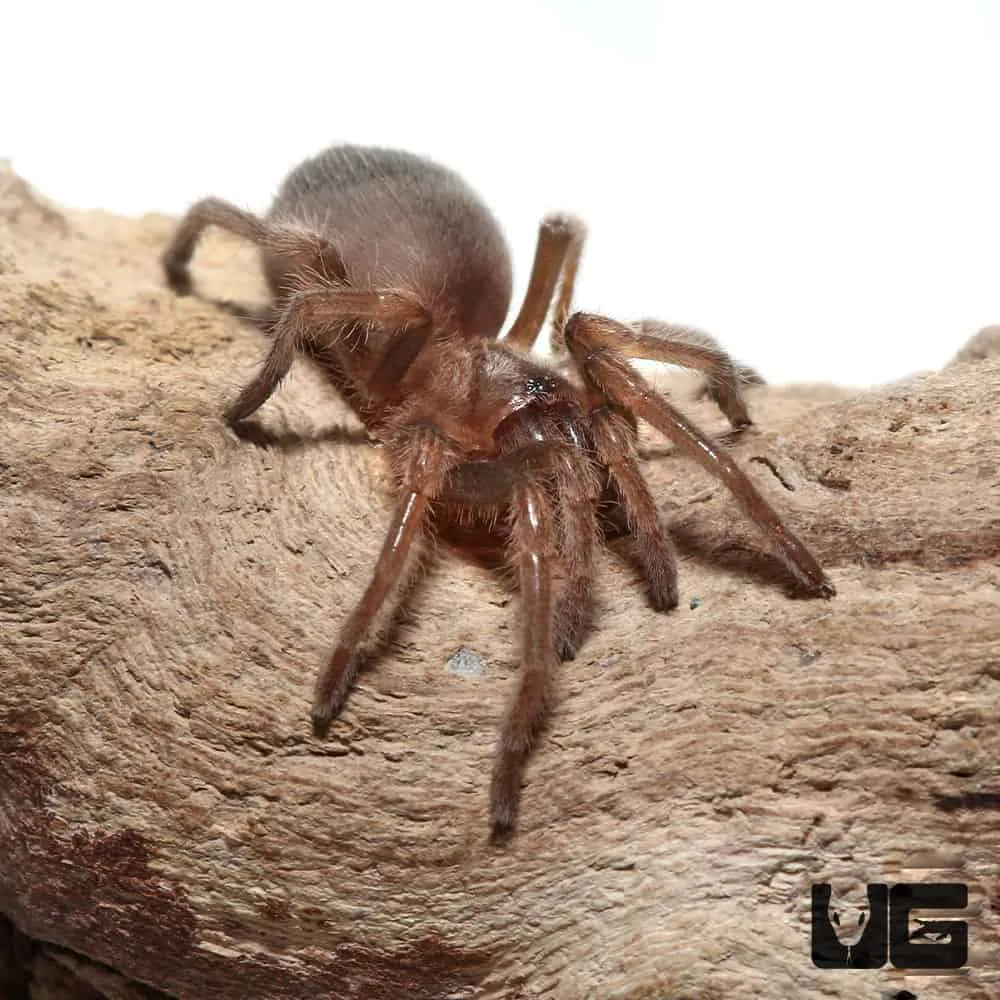
What are Tarantula Eggs
Tarantula eggs represent the beginning of a new generation of these fascinating arachnids. Understanding what tarantula eggs are, their formation, and the role they play in the life cycle of a Mexican Red Knee tarantula is crucial for anyone interested in breeding or simply learning more about these creatures. The eggs are encased in a protective silk structure known as an egg sac, created by the female tarantula after mating. This egg sac safeguards the eggs, maintaining the necessary environment for development. From the initial formation of the egg sac to the emergence of tiny spiderlings, each stage is a delicate and complex process, demanding specific environmental conditions and attentive care to ensure successful hatching.
The Formation of Mexican Red Knee Tarantula Eggs
The formation of tarantula eggs is a captivating process, primarily orchestrated by the female Mexican Red Knee tarantula. After mating, the female stores the sperm from the male. Then, she begins the process of egg production. These eggs are fertilized internally. The female then spins a silk structure, the egg sac, using her spinnerets, located at the end of her abdomen. This egg sac serves as a secure enclosure. The female lays her eggs inside, carefully arranging them. She then seals the sac, providing a protected environment for the eggs to develop. The size and shape of the egg sac can vary, but typically, it’s a sphere or disc-like shape. The entire process, from mating to the creation of the egg sac, requires time. The female’s health, diet, and environmental conditions greatly influence the quality and viability of the eggs.
The Role of the Female Tarantula

The female Mexican Red Knee tarantula takes on a significant role in reproduction, especially after mating. The female not only produces the eggs but also the egg sac that houses and protects them. She carefully constructs the egg sac, a vital protective measure against environmental hazards. During the incubation period, the female typically guards the egg sac, ensuring its safety. She may move it to maintain optimal conditions. Her behavior changes, as she becomes more protective and may become less inclined to eat to prioritize her eggs’ well-being. Her attentiveness to the egg sac is critical for successful hatching. The female’s health and overall condition, as well as her genetic quality, significantly impact the eggs and spiderlings’ health.
Understanding the Egg Sac
The egg sac is a marvel of natural engineering, crafted meticulously by the female tarantula to safeguard her developing eggs. Constructed from silk, the egg sac is a crucial element of the reproductive cycle. It provides essential protection from the outside environment, including predators, fluctuating temperatures, and excessive humidity changes. The silk itself is a strong, yet flexible material, capable of withstanding a degree of environmental stress. Inside the egg sac, a microclimate is established. This provides the consistent temperature and humidity levels that the eggs need for optimal development. The egg sac’s structure allows for some air circulation while preventing the entry of harmful elements. The female tarantula’s careful construction of the egg sac is essential for the successful hatching of her eggs. It’s a testament to the complexity of tarantula reproduction and maternal care.
The Importance of the Egg Sac
The egg sac is not merely a container; it is a lifeline for the developing tarantula embryos. The structure serves several critical functions, all aimed at increasing the chances of survival for the eggs. It offers physical protection from external threats. The silk barrier keeps predators and harsh weather at bay. The egg sac helps regulate the temperature and humidity levels within. It creates a stable environment, crucial for the sensitive developing eggs. The egg sac prevents the eggs from drying out. It allows for the exchange of gases, such as oxygen and carbon dioxide, which is necessary for embryonic development. Moreover, the egg sac may also provide some protection from fungal and bacterial infections. Overall, the egg sac is a carefully designed structure that plays a vital role in the successful reproduction of Mexican Red Knee tarantulas, greatly influencing the viability of the eggs.
Caring for Mexican Red Knee Tarantula Eggs

Caring for Mexican Red Knee tarantula eggs involves a combination of environmental control and careful observation. Maintaining consistent temperature and humidity levels is paramount for successful hatching. The ideal temperature range is generally between 75-85°F (24-29°C). Humidity should be kept at around 70-80%. Monitoring these conditions with a thermometer and hygrometer is essential. The egg sac needs to be protected from direct sunlight and extreme temperature fluctuations. Good ventilation is also needed to prevent mold and fungus from developing. Handling the egg sac should be kept to a minimum. If it must be moved, do so with great care. Regular inspection of the egg sac for any signs of mold or damage is very important. The careful handling, combined with consistent monitoring, can significantly improve the chances of successful hatching and healthy spiderlings.
Creating the Ideal Environment
Creating the perfect environment for tarantula eggs requires attention to detail. The enclosure should be of a suitable size and well-ventilated. It needs to be stable to maintain consistent conditions. The substrate should be appropriate, as well. The temperature needs to be monitored. Use a reliable thermometer, as temperature fluctuations can be harmful to the eggs. Maintain the right humidity level, which is also vital for the eggs. You should have a hygrometer to make sure that the humidity is right. The enclosure should also have a secure lid to prevent escapes and protect the eggs from potential disturbances. Make sure there is no direct sunlight or extreme temperature changes. Proper preparation of the enclosure will increase the chances of successful hatching and ensure the health and well-being of the spiderlings. A stable, controlled environment is essential for a healthy development.
Maintaining Temperature and Humidity
Maintaining the right temperature and humidity is critical for the successful incubation of Mexican Red Knee tarantula eggs. Temperature directly impacts the rate of development. The ideal range is between 75-85°F (24-29°C). Consistent temperature helps to prevent developmental problems. Too high or too low temperatures can be very dangerous. Humidity is also important for preventing the eggs from drying out and facilitating proper growth. The humidity should be in the range of 70-80%. You can measure these levels with a hygrometer. You can increase humidity by misting the enclosure, but you should make sure not to overdo it. Avoid direct sunlight and extreme temperature changes. Regular monitoring is very important to make any necessary adjustments. A stable environment is essential for healthy eggs and healthy spiderlings.
Providing Proper Ventilation

Providing proper ventilation is vital in caring for Mexican Red Knee tarantula eggs, as it helps to prevent mold and fungal growth. Good air circulation also maintains oxygen levels, which is essential for the development of the embryos. A well-ventilated enclosure allows for the exchange of gases, preventing the buildup of harmful byproducts. Ventilation can be achieved by ensuring there are small air holes in the enclosure. Avoid using an enclosure that is completely airtight. The airflow should be sufficient, but it shouldn’t lead to significant temperature or humidity fluctuations. Regular inspection of the egg sac and enclosure for any signs of mold or dampness is also important. Appropriate ventilation, combined with careful monitoring, can significantly improve the chances of healthy egg development and hatching.
Monitoring the Egg Sac
Regularly monitoring the egg sac is a crucial part of caring for Mexican Red Knee tarantula eggs. Careful observation helps to identify potential problems early on, like mold or damage. Inspect the egg sac for any color changes or structural abnormalities. These can indicate a problem. The egg sac should appear firm and intact. The female tarantula usually takes care of the egg sac. She may move it around. You should avoid disturbing the egg sac unless necessary. Keep a close eye on the temperature and humidity levels. These levels are critical for the eggs’ development. If there are any problems, you should be ready to take action. Regular monitoring is very important for the successful hatching of the eggs. It will also help ensure that the spiderlings are healthy.
Identifying Potential Issues
Identifying potential issues with tarantula eggs requires careful observation. The primary concerns are mold, fungus, and infertility. Mold or fungus can appear as a white or colored growth on the egg sac. This usually indicates that the humidity is too high, or there is not enough ventilation. The egg sac might look shriveled or discolored. This can be a sign of infertility or damage. If the egg sac appears damaged or leaks fluid, it could also indicate a problem. Regularly monitoring the egg sac is very important. Take steps to prevent problems. If you identify any issues, you may need to take action to save the eggs. It’s important to be prepared. Consulting with experienced tarantula breeders can provide important support and guidance.
Preventing Mold and Fungus

Preventing mold and fungus is crucial for the health of tarantula eggs. Mold and fungus thrive in humid environments. You can minimize these risks by maintaining proper ventilation. You should also ensure that the substrate and enclosure are clean. Avoid excessive misting, and always monitor humidity levels. If mold or fungus is detected, you should take action immediately. Carefully remove the affected area. You should also improve ventilation. Reduce the humidity. In severe cases, you may have to discard the egg sac. Regular inspection and preventative measures are very important. A clean, well-ventilated environment, with appropriate humidity levels, is essential for the development of healthy eggs.
Dealing with Infertility
Dealing with infertility in tarantula eggs can be disappointing, but it’s a common issue in tarantula breeding. There can be several causes for this. One could be the eggs were not fertilized properly. This may be due to the male’s sperm not being viable or the mating not successful. The health of the female tarantula is also important. Infertility can be caused by the age of the female or the environmental conditions. If the egg sac is infertile, it will not develop. There won’t be any spiderlings. Infertility may become apparent during monitoring. The egg sac may not change color or it may look shriveled or discolored. While there’s no way to reverse infertility, you can learn from it. The next time, improve the environmental conditions. Try to improve the health of the tarantulas. You may also want to consult with experienced breeders to gain insights into successful breeding practices.
The Hatching Process
The hatching process of Mexican Red Knee tarantula eggs is a remarkable event. It marks the transition from eggs to tiny spiderlings. The hatching time varies. However, it generally takes several weeks to a few months. The exact duration depends on temperature, humidity, and overall health. Before hatching, the eggs undergo a period of development. They start forming the small spiderlings inside. The female tarantula usually opens the egg sac or assists the spiderlings in emerging. The tiny spiderlings, or spiderlings, will emerge. They are often pale and helpless, as they are dependent on their first molt. The hatching process is a delicate stage. The maintenance of optimal conditions during this time is critical for the spiderlings’ survival. After hatching, the spiderlings will go through their first molt.
Preparing for Hatchlings

Preparing for hatchlings involves getting everything ready before the spiderlings emerge. You will need to provide them with a suitable enclosure. This should be small and well-ventilated. The enclosure should also have the right substrate and a shallow water dish. Prepare small containers for the spiderlings. You can divide the spiderlings into different containers. This reduces the risk of cannibalism. Acquire a supply of small, appropriate food for spiderlings, like flightless fruit flies or pinhead crickets. You should also ensure the environment meets the specific temperature and humidity needs. You should have a thermometer and a hygrometer. Before the spiderlings hatch, have all of these items on hand. You will be able to respond to their needs right away. You will maximize their chances of survival. Thorough preparation will ensure a smooth transition and healthy start for the new spiderlings.
What to Expect After Hatching
After the Mexican Red Knee tarantula eggs hatch, there are several changes and considerations. The spiderlings will be small, delicate, and in need of careful care. Initially, the spiderlings will stay together. They will be in close proximity to each other. The spiderlings will eat the remains of the egg sac. They will begin to feed on small prey. Providing small insects, such as fruit flies, is very important. The spiderlings go through their first molt shortly after hatching. During the first molt, they shed their exoskeletons. This is a critical growth stage. They will become more active and will start to explore their surroundings. It’s very important to maintain the correct temperature and humidity. Ensure the spiderlings have access to water. You will see the start of their independence. They will grow in size. The spiderlings will molt many times. They will develop their colors as they grow. The first few weeks are very important. With proper care, the spiderlings will develop into healthy, young tarantulas.
Feeding the Spiderlings
Feeding the spiderlings is one of the most important aspects of caring for them. The young spiderlings require frequent, small meals. They need a diet of prey items that are appropriate in size. Good options include flightless fruit flies and pinhead crickets. The insects should be small enough. They will eat the spiderlings but can’t hurt them. The frequency of feeding depends on the spiderlings’ age. However, you should usually feed them two to three times a week. You should drop several small insects into the enclosure. You should monitor the spiderlings. If they are eating well, you will see that their abdomens become plumper. You must remove any uneaten insects after 24 hours. Make sure the spiderlings have access to clean water. Proper feeding is essential for growth, development, and overall health. You should avoid overfeeding. It’s a very important part of their care.
Housing the Spiderlings

Housing the spiderlings requires setting up small, secure, and appropriate enclosures. The enclosures should be small to prevent the spiderlings from feeling stressed. The enclosure should also be properly ventilated. This should help control humidity. The enclosure should contain a substrate, such as coconut fiber or vermiculite. This helps to retain humidity. There should be a shallow water dish. It should be accessible to the spiderlings. You should provide some hiding places, such as small pieces of cork bark or artificial plants. These will give the spiderlings a sense of security. You must keep the enclosure clean. Remove any uneaten food. You must also monitor the temperature and humidity levels. As the spiderlings grow, they will need to be re-housed into larger enclosures. You should prepare and maintain a suitable environment for the spiderlings. You will provide the necessary support for their growth. This will ensure they thrive.
First Molt and Beyond
The first molt and subsequent molts are essential milestones in the growth of Mexican Red Knee tarantulas. The first molt happens shortly after hatching. During this process, the spiderlings shed their exoskeletons. This allows them to grow. Before the molt, the spiderlings may stop eating. They may become less active. You will observe that their abdomen appears darker. After the molt, the spiderlings will be larger. Their colors may appear brighter. As the spiderlings grow, they will molt several times. The frequency of molting will decrease. The spiderlings’ size and appearance will change with each molt. Molting is a vulnerable time. Provide a stable environment. Maintain the correct humidity. Don’t disturb the spiderlings during this process. You should ensure that the spiderlings have the right conditions. With proper care, the spiderlings will continue to molt successfully. This will allow them to grow into beautiful, adult Mexican Red Knee tarantulas.