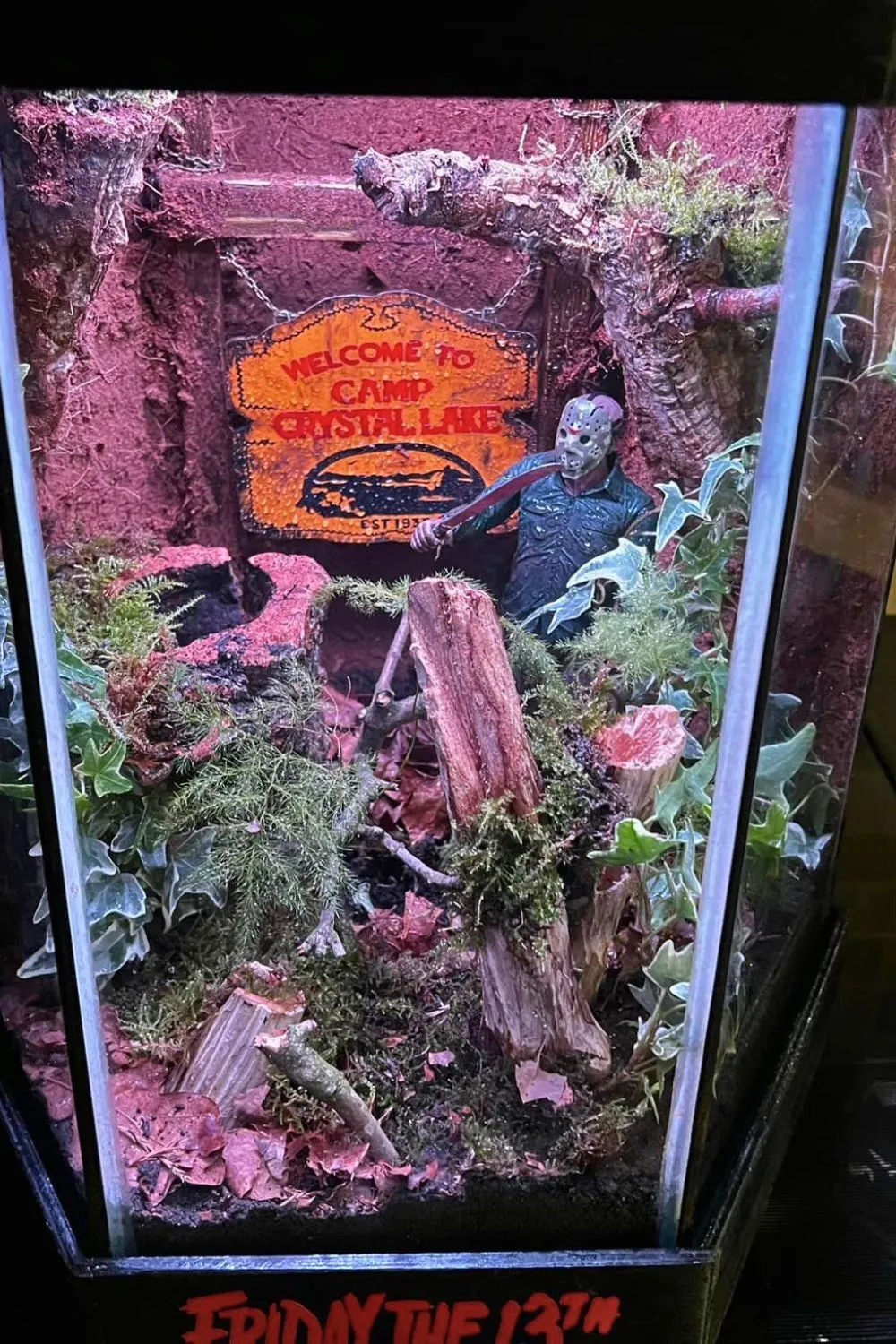
Choosing the Right Tarantula Enclosure
Setting up the perfect tarantula enclosure is essential for the health and happiness of your eight-legged friend. A well-designed habitat not only provides a comfortable living space but also mimics the natural environment of your tarantula, promoting healthy behaviors and minimizing stress. This guide will walk you through every step of setting up a tarantula enclosure, from selecting the right size and materials to decorating and maintaining the habitat. Proper enclosure setup is crucial for successful tarantula keeping, ensuring your pet thrives in its new home. Understanding the needs of your tarantula, particularly species like the Aphonopelma chalcodes (commonly known as the desert blonde tarantula), is the first step towards creating a thriving habitat.
Size Matters Understanding Tarantula Needs
The size of the enclosure is a critical factor in your tarantula’s well-being. A space that’s too small will restrict movement and potentially lead to stress, while an enclosure that’s too large might make it difficult for your tarantula to find food. The general rule is to provide an enclosure that is at least twice the tarantula’s leg span in width and length, and at least the tarantula’s leg span in height. However, terrestrial species, which spend most of their time on the ground, don’t need as much vertical space as arboreal species, which climb and build webs. Always consider the adult size of the tarantula when choosing an enclosure, especially if you are starting with a juvenile.
Growth Stages and Enclosure Adjustments

As your tarantula grows, you will need to upgrade its enclosure. Starting with a smaller enclosure for a juvenile is often recommended, as it can make it easier for the spider to find food and feel secure. As your tarantula molts and increases in size, gradually move it to larger enclosures. Keep a close eye on your tarantula’s growth and adjust the enclosure size accordingly, ensuring it always has enough space to move around comfortably and safely. The process of molting is essential for tarantulas to grow and replace their exoskeleton, and a properly sized enclosure supports this process effectively. The enclosure should always allow for easy molting without the risk of the spider getting stuck or injured.
Glass vs Acrylic Comparing Enclosure Materials
Choosing the right material for your tarantula enclosure is another important decision. Glass and acrylic are the two most common options, each with its own set of advantages and disadvantages. Both materials can provide a clear view of your tarantula, but they differ in terms of durability, insulation, and ease of use. Consider the pros and cons of each material before making your final choice to ensure the enclosure meets your needs and the needs of your tarantula. The ideal material helps maintain stable temperatures and humidity levels, creating a secure environment for your pet.
Pros and Cons of Each Material
Glass enclosures are generally more scratch-resistant and often more readily available. They provide excellent visibility and are relatively easy to clean. However, glass can be heavy and less effective at insulating heat, potentially leading to fluctuations in temperature and humidity. Acrylic enclosures are lighter, offering superior insulation properties that help maintain stable temperatures. Acrylic is also less prone to shattering if accidentally dropped, making it a safer option. However, acrylic can scratch more easily than glass, which may affect visibility over time. The decision often comes down to personal preference, budget, and the specific needs of the tarantula species.
Essential Enclosure Features

Beyond the enclosure material and size, several features are essential for a healthy tarantula habitat. These include appropriate substrate, ventilation, hiding places, and a water source. Creating an environment that meets these needs will help your tarantula thrive. The right setup reduces stress and encourages natural behaviors. A secure enclosure is crucial for preventing escapes, ensuring both the safety of your tarantula and the peace of mind of the keeper. Consider the tarantula’s natural habitat when designing the enclosure, aiming to replicate its preferred conditions as closely as possible. This mimics the tarantula’s wild habitat.
Substrate Selection Creating the Perfect Bedding
The substrate is the bedding material that covers the bottom of the enclosure. It serves several purposes, including providing a comfortable surface for the tarantula, helping to maintain humidity, and allowing the tarantula to burrow. The choice of substrate depends on the species of tarantula and its natural habitat. For most terrestrial species, a substrate that retains moisture and allows for burrowing is ideal. Avoid substrates that can be toxic or harmful to tarantulas.
Substrate Types and Their Benefits
Popular substrate options include coco fiber, peat moss, vermiculite, and a mix of these materials. Coco fiber is a great all-around choice, offering excellent moisture retention and a natural appearance. Peat moss is also effective at retaining moisture and can help to lower the pH of the enclosure, which can benefit some species. Vermiculite can be added to the substrate mix to improve drainage and aeration. Avoid using substrates like sand or gravel, which can be difficult for tarantulas to burrow in and may not retain moisture effectively. Always ensure the substrate is free from pesticides and other harmful chemicals.
Importance of Proper Ventilation

Ventilation is crucial for maintaining good air quality and preventing the build-up of mold and mildew. Proper ventilation helps to regulate humidity levels and prevents the enclosure from becoming stagnant. Insufficient ventilation can lead to respiratory problems for your tarantula. The airflow must allow for the exchange of gases without causing excessive dryness, striking a balance between humidity and ventilation. The ventilation design must consider the tarantula’s specific needs.
Placement and Types of Ventilation
The placement of ventilation holes or mesh is important. Ventilation should be placed in areas that allow for both airflow and the maintenance of humidity. Cross-ventilation, with holes or mesh on opposite sides of the enclosure, is generally the most effective. Many commercial enclosures have ventilation built into the top and sides. The size and number of ventilation holes will depend on the size of the enclosure and the species of tarantula. Ensure that the ventilation is secure and that your tarantula cannot escape through the openings.
Decorating the Enclosure Making a Tarantula Paradise
Adding decorations to your tarantula enclosure not only enhances its aesthetic appeal but also provides enrichment and a more natural environment for your pet. The right decorations can offer hiding places, encourage natural behaviors, and reduce stress. Consider the tarantula’s specific needs when selecting decorations, prioritizing safety and functionality. The objective is to create a stimulating and secure habitat. Choose items that will not harm your tarantula.
Hiding Places and Enrichment Providing Security

Tarantulas are naturally shy creatures and need secure hiding places to feel safe. Providing a hide, such as a piece of cork bark, a half-log, or a commercially available hide, is essential. The hide should be large enough for the tarantula to comfortably fit inside but not so large that it feels exposed. Adding a few strategically placed decorations, such as artificial plants or rocks, can further enhance the enclosure and provide additional hiding spots. These elements can help reduce stress and mimic a natural setting. The selection of these hideouts should be based on the tarantula species, with consideration of their natural behavior.
Plants and Decorations Adding Natural Elements
Adding plants and other decorations can make the enclosure more visually appealing and provide environmental enrichment. Artificial plants are a safe and easy option, providing cover and adding visual interest. Avoid using real plants unless you are certain they are safe for tarantulas and do not require excessive watering, as this can lead to mold growth. Rocks, branches, and other natural elements can also be incorporated, but make sure they are clean and free of any potential hazards. Remember that the goal is to create a habitat that mimics the tarantula’s natural environment. Providing a variety of textures and colors can enhance the environment.
Water and Humidity Maintaining the Right Balance
Maintaining the proper humidity levels is critical for your tarantula’s health. Humidity is the amount of moisture in the air, and it affects your tarantula’s ability to molt and stay hydrated. Different tarantula species have different humidity requirements, so it’s important to research the specific needs of your pet. Too much or too little humidity can lead to health problems. A stable humidity level is essential for your tarantula’s overall well-being. It’s a key factor in the molting process.
Water Sources Providing Fresh Water

Providing a clean water source is essential for your tarantula’s hydration. The most common method is to use a shallow water dish. The water dish should be small enough to prevent drowning and should be kept clean. Change the water regularly, at least every other day, to prevent bacterial growth. Some tarantula keepers also mist their enclosures, especially for species that require higher humidity levels, but misting should not replace a water dish. The water dish provides a consistent source of hydration. Ensuring the water source is accessible and clean supports your tarantula’s health.
Humidity Levels and Their Importance
Humidity levels depend on the species of tarantula. Terrestrial species generally require lower humidity levels than arboreal species. Low humidity can make it difficult for a tarantula to molt properly, while high humidity can lead to mold growth. Research the specific humidity requirements of your tarantula species and aim to maintain those levels. Humidity levels should be adjusted based on environmental needs. Using a hygrometer can help measure humidity accurately.
Monitoring Humidity Tools and Techniques
Use a hygrometer to monitor the humidity levels in your tarantula enclosure. Hygrometers come in both analog and digital forms; digital hygrometers are generally more accurate. Place the hygrometer inside the enclosure, away from direct contact with the water source. You can adjust humidity by adjusting the amount of water in the substrate, misting the enclosure (if appropriate for the species), and controlling ventilation. Observe your tarantula’s behavior as well; if it appears dehydrated or has difficulty molting, adjust the humidity accordingly. Regular monitoring and adjustments are key.
Feeding and Maintaining the Enclosure

Feeding and maintaining the enclosure are essential components of responsible tarantula care. Provide a proper diet, clean the enclosure regularly, and monitor for any signs of health problems. A well-maintained environment supports your tarantula’s overall health. Consistent maintenance keeps your tarantula healthy and thriving.
Cleaning Schedule and Best Practices
Cleaning the enclosure is crucial for maintaining a healthy environment. The frequency of cleaning will depend on the size of the enclosure, the species of tarantula, and your feeding habits. Remove any uneaten food, molts, and fecal matter promptly. Spot clean the enclosure as needed, and perform a full substrate change every few months, or sooner if the substrate becomes excessively dirty or moldy. Use a mild soap or reptile-safe cleaner to disinfect the enclosure during a full cleaning. Ensure that the enclosure is thoroughly dry before reintroducing your tarantula. Follow the maintenance schedule to maintain cleanliness.
Waste Removal and Substrate Maintenance
Tarantulas produce waste, which needs to be removed regularly. Use a pair of tongs or tweezers to carefully remove any fecal matter you see. Check the enclosure regularly for waste. When changing the substrate, remove all old substrate and replace it with fresh material. The frequency of substrate changes depends on the type of substrate and the size of the enclosure. Coco fiber may need to be changed more frequently than other types of substrate. Always wash your hands after handling the substrate or cleaning the enclosure to prevent the spread of any potential pathogens.
Troubleshooting Common Enclosure Issues
Even with the best care, problems can arise in your tarantula enclosure. Identifying and addressing these issues promptly is crucial for the health and well-being of your pet. Common issues include pests, mold, and improper humidity levels. Being proactive will help resolve any problems.
Mites and Pests Identifying and Eliminating Them
Mites are a common pest in tarantula enclosures. They can be introduced through contaminated substrate or feeders. Mites are tiny and often appear as small, moving dots on the tarantula or in the enclosure. If you suspect mites, isolate the affected tarantula and take steps to eliminate the mites. Remove the substrate, clean the enclosure thoroughly, and consider using a reptile-safe mite treatment. Preventative measures include quarantining new substrate and feeders. Thorough cleaning and pest control practices are vital.
Mold Growth and Solutions
Mold growth is another potential problem, especially in enclosures with high humidity or poor ventilation. Mold can appear as fuzzy patches on the substrate or decorations. If you notice mold, remove the affected items immediately and address the underlying cause. Improve ventilation, reduce humidity levels if necessary, and replace the substrate. If the mold persists, consider using a reptile-safe fungicide. Regular maintenance and monitoring are the best ways to prevent mold growth. Remove all affected areas and address the root of the mold growth.
In conclusion, creating the ideal tarantula enclosure is a rewarding process that ensures your pet’s health and happiness. By following these guidelines, you can provide your tarantula with a safe, comfortable, and stimulating environment. Remember to always research the specific needs of your tarantula species and adjust the enclosure setup accordingly. The care and attention you put into the enclosure will greatly impact your tarantula’s quality of life. With dedication and knowledge, you can ensure your tarantula thrives for years to come.