The Best Tarantula Enclosures Secrets Revealed
Keeping a tarantula as a pet can be a rewarding experience, but it comes with the responsibility of providing a proper habitat. The enclosure you choose is paramount to your tarantula’s health, happiness, and longevity. There are many factors to consider when selecting the best tarantula enclosure, from size and ventilation to substrate and decor. This guide unveils the top 5 secrets to creating an ideal tarantula enclosure, ensuring your eight-legged friend thrives in its new home. By understanding these key elements, you can create a safe, stimulating, and enriching environment that mimics the tarantula’s natural habitat. Read on to discover the secrets to a perfect tarantula enclosure and provide your pet with the best possible life.
Secret 1 Size Matters
Choosing the right size enclosure is the foundation of a healthy tarantula habitat. An enclosure that’s too small can restrict movement and lead to stress, while one that’s too large can make it difficult for your tarantula to find food and feel secure. The size of the enclosure should correlate with the size of your tarantula, considering both terrestrial and arboreal species. Always prioritize an enclosure that allows ample space for movement, burrowing, and exploring. Avoid overcrowding the enclosure with unnecessary decor, as this can limit the available space and hinder your tarantula’s ability to move freely.
Why Enclosure Size is Crucial

The size of the enclosure directly impacts your tarantula’s well-being. A tarantula needs room to move around, explore its environment, and engage in natural behaviors like burrowing or web-spinning. A cramped enclosure can lead to stress, which can weaken the tarantula’s immune system and make it more susceptible to illness. Moreover, a small enclosure might restrict the tarantula’s ability to molt properly, a crucial process for growth and development. A well-sized enclosure promotes a sense of security, allowing your tarantula to feel safe and comfortable in its habitat.
Choosing the Right Dimensions
Consider the adult size of your tarantula species when selecting the enclosure dimensions. For terrestrial species, the width and length of the enclosure are more important than the height, as they primarily move on the ground. Arboreal species, on the other hand, need a taller enclosure to accommodate their climbing habits. As a general rule, the enclosure should be at least three times the tarantula’s leg span in width and length. The height should be sufficient to allow for adequate substrate depth and climbing space. Always consider future growth when choosing the initial size of the enclosure, as a tarantula can quickly outgrow its habitat.
Secret 2 Ventilation is Key
Proper ventilation is essential for a healthy tarantula enclosure. Good airflow prevents the buildup of harmful mold, bacteria, and stagnant air, which can lead to respiratory problems for your tarantula. It also helps to regulate humidity levels, preventing them from becoming excessively high, which can be detrimental to your pet’s health. A well-ventilated enclosure provides a fresher and more natural environment, promoting the overall well-being of your tarantula. Without adequate ventilation, the enclosure can become a breeding ground for bacteria and mold, posing a significant risk to your pet’s health.
Understanding the Importance of Airflow
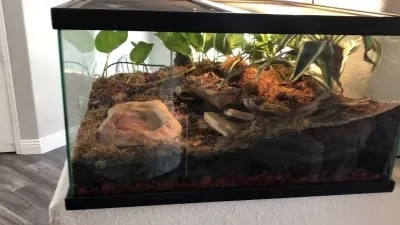
Airflow is critical for maintaining a healthy environment within the tarantula enclosure. It ensures a constant supply of fresh air, removing stale air and reducing the risk of respiratory infections. Adequate airflow also helps to control humidity levels, preventing them from rising too high, which can lead to mold growth and other health issues. Proper ventilation facilitates the evaporation of excess moisture, keeping the substrate dry and preventing the development of harmful bacteria and fungi. Furthermore, good airflow minimizes odors and creates a more pleasant environment for both the tarantula and the keeper.
Optimal Ventilation Methods
The best tarantula enclosures incorporate ventilation in their design. Mesh lids are a common and effective method, allowing for good airflow while preventing escape. Ensure the mesh is fine enough to prevent smaller tarantulas from escaping and to keep feeder insects inside. Side or top vents are also beneficial, promoting cross-ventilation and preventing stagnant air pockets. The placement of vents is crucial; avoid placing them directly over the water dish to prevent excessive moisture buildup. Regularly inspect the ventilation openings for any obstructions, such as substrate or debris, that might hinder airflow.
Secret 3 Substrate Selection
The substrate is the foundation of your tarantula’s habitat, providing a place to burrow, hide, and feel secure. The right substrate also helps to maintain humidity levels and supports the overall health of the enclosure. Different species of tarantulas have different substrate preferences, so it’s important to choose one that is appropriate for your specific species. A good substrate should be absorbent, non-toxic, and free from harmful chemicals or pesticides. Avoid substrates that can easily mold or break down, as these can create an unhealthy environment for your tarantula.
Choosing the Right Substrate Type

Several substrate options are suitable for tarantulas, each with its own benefits. Coconut fiber, also known as coco coir, is a popular choice due to its excellent moisture-retention properties, making it ideal for tropical species. Sphagnum moss is another option, often used to create humid microclimates within the enclosure. A mix of peat moss, vermiculite, and sand can also be effective, providing good drainage and burrowing capabilities. The substrate should be deep enough to allow the tarantula to burrow and create a comfortable living space, generally at least 2-4 inches deep for terrestrial species.
Maintaining Substrate Health
Regular maintenance is crucial for keeping the substrate healthy and preventing the buildup of harmful bacteria and mold. Spot clean the substrate regularly, removing any uneaten food, molts, and waste. If the substrate becomes excessively wet, replace it with fresh, dry substrate. Monitor the humidity levels in the enclosure and adjust the substrate as needed to maintain the ideal conditions for your tarantula. Some keepers introduce springtails or isopods, tiny invertebrates that help to break down waste and keep the substrate clean. The frequency of substrate changes will depend on the species of tarantula and the size of the enclosure.
Secret 4 Temperature and Humidity
Maintaining the correct temperature and humidity levels is essential for the health and well-being of your tarantula. These environmental factors directly affect your pet’s metabolism, molting process, and overall activity levels. Different tarantula species have different temperature and humidity requirements, so it’s crucial to research the specific needs of your species. Providing the right climate creates a comfortable and healthy environment that mimics the tarantula’s natural habitat, which is vital for its survival and thriving. Incorrect temperature or humidity can lead to dehydration, molting problems, and other health issues.
Creating the Ideal Climate

Use a thermometer and hygrometer to monitor the temperature and humidity levels within the enclosure. Most tarantulas thrive in temperatures between 75-85°F (24-29°C). You can use a heat lamp or a heat mat to maintain the desired temperature, but avoid placing the heat source directly inside the enclosure. Humidity levels vary depending on the species. Tropical species require higher humidity levels (70-80%), while desert species prefer drier conditions (50-60%). Mist the enclosure with water to increase humidity, or use a water dish to provide a constant source of moisture. Ensure proper ventilation to prevent excessive humidity buildup.
Monitoring and Adjusting Environmental Factors
Regular monitoring of temperature and humidity is crucial to maintaining a healthy environment. Check the readings at least once a day, and make adjustments as needed. If the temperature is too low, increase the wattage of the heat source or add a second one. If the humidity is too low, mist the enclosure more frequently or add a larger water dish. If the humidity is too high, improve ventilation. Observe your tarantula’s behavior, as it can provide clues about its comfort level. If your tarantula is spending a lot of time in its water dish or appears lethargic, it may be a sign that the environmental conditions need adjustment.
Secret 5 Decor and Enrichment
Decor and enrichment are essential for providing your tarantula with a stimulating and engaging environment. While tarantulas may not require elaborate decorations, adding the right elements can significantly improve their quality of life. Decor provides hiding places, climbing opportunities, and a sense of security. It also helps to mimic the tarantula’s natural habitat, promoting natural behaviors and reducing stress. Choosing appropriate decor not only enhances the aesthetic appeal of the enclosure, but also contributes to the overall well-being of your pet.
Essential Decor for Tarantulas

Provide your tarantula with a hide, such as a piece of cork bark, a hollow log, or a commercially available hide. This will give your tarantula a safe place to retreat and feel secure. Add other natural elements like branches and rocks for climbing and exploring, particularly for arboreal species. Live or artificial plants can also enhance the enclosure, providing additional hiding places and visual interest. Ensure all decor is securely placed and free from sharp edges or potentially harmful chemicals. Always consider the size and needs of your specific tarantula species when selecting decor.
Providing Enrichment and Stimulation
Enrichment involves providing elements that stimulate your tarantula and encourage natural behaviors. While tarantulas don’t require constant interaction, providing a varied and stimulating environment is beneficial. Vary the placement of decor and add new elements from time to time to keep things interesting. Occasionally offer live prey items in different locations within the enclosure to encourage hunting behavior. Make sure to provide a suitable depth of substrate, allowing your tarantula to burrow and create its own habitat. Avoid disturbing the tarantula unnecessarily and respect its need for privacy and security.
In conclusion, creating the perfect tarantula enclosure is a blend of science and art. By focusing on these five secrets—size, ventilation, substrate, temperature and humidity, and decor—you can create a thriving habitat for your tarantula. Remember to research the specific needs of your tarantula species and adapt your enclosure accordingly. With careful planning and attention to detail, you can provide your eight-legged friend with a safe, comfortable, and enriching home. Happy tarantula keeping!