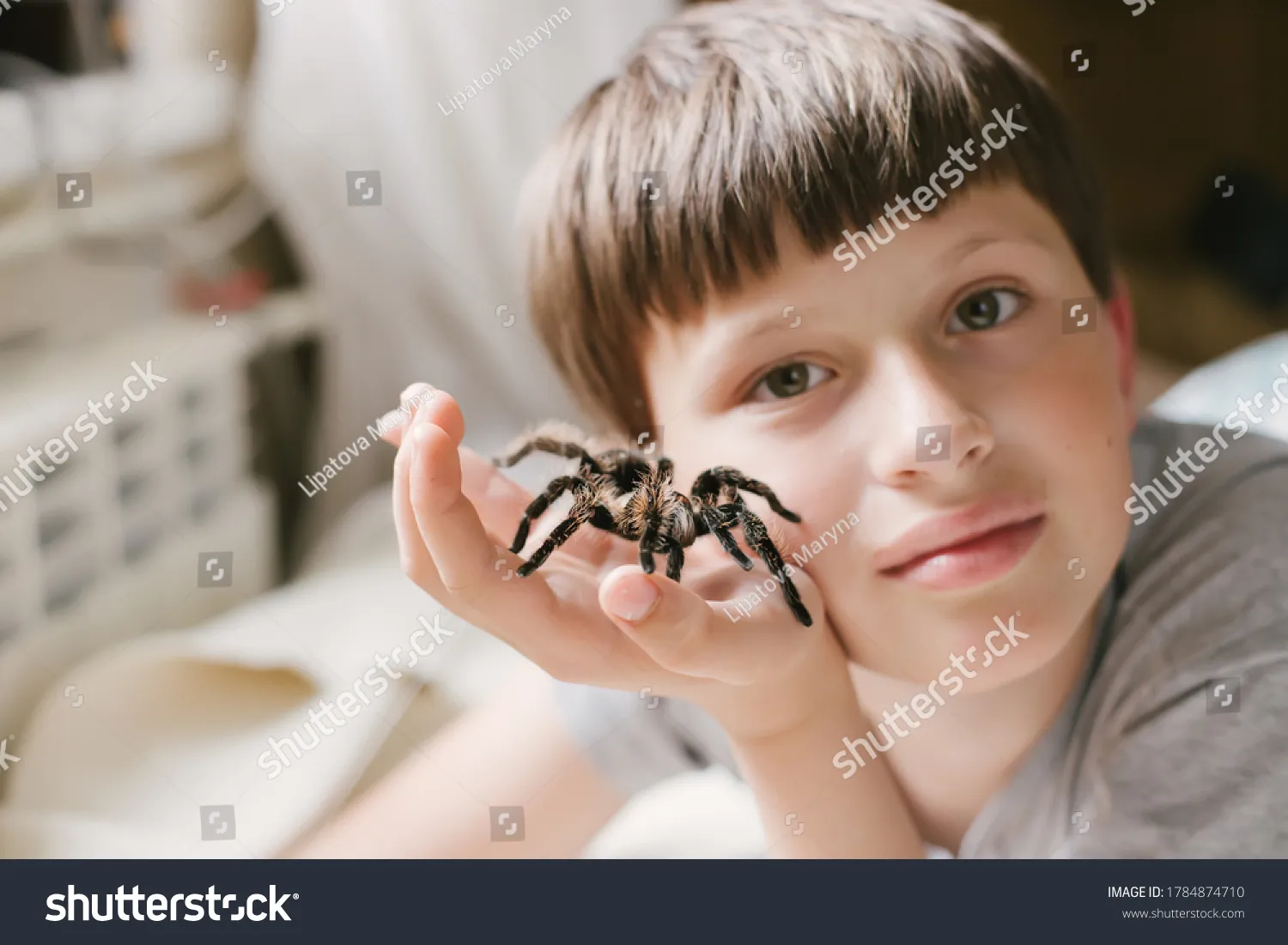
What is a Tarantula?
Tarantulas are fascinating creatures, and they’re actually a type of spider! They’re known for being big and hairy, which might seem a little scary at first, but these spiders are pretty amazing. They belong to a group called arachnids, which means they have eight legs. Tarantulas are found all over the world, and they come in many different sizes and colors. They’re a really interesting subject to learn about, and this article is packed with fun facts that will help kids understand more about these incredible animals. Let’s dive in and discover what makes these spiders so special!
Physical Characteristics
Tarantulas have some very distinct physical features that help them survive. Understanding these characteristics can help us appreciate how they’ve adapted to their environments. From their size and color to the way their bodies are structured, tarantulas are marvels of nature’s design. Their bodies are divided into two main parts, the cephalothorax and the abdomen. The cephalothorax is where the head and chest are combined, and the abdomen is where they store food and other important things. These features, combined with their hairy bodies, make them easy to identify and study.
Size and Appearance

Tarantulas are known for being large spiders. Their size can vary a lot depending on the species, with some being as small as a few centimeters and others growing to have a leg span of over 10 inches! Imagine that – a spider as big as your face! Their bodies are covered in hair, which helps them sense their environment and can even protect them. They have eight legs, eight eyes (though their eyesight isn’t great), and two fangs called chelicerae, which they use to inject venom. Tarantulas come in a variety of colors, making each species unique.
Color and Texture
The colors of tarantulas can be incredibly diverse, ranging from shades of brown and gray to vibrant blues, oranges, and reds. These colors often help them blend in with their surroundings, providing camouflage from predators or prey. The texture of their bodies is also interesting. They have a hairy exoskeleton, which is a hard outer shell that protects them. This hairy covering can vary in density, with some tarantulas having very dense, plush hairs and others having sparser, coarser hairs. This texture plays a role in their ability to sense their environment and also aids in their defense mechanisms.
Where Do Tarantulas Live?
Tarantulas are found in a wide range of habitats around the world. They’re incredibly adaptable creatures, and you can find them in deserts, grasslands, rainforests, and even in the burrows of suburban backyards. Understanding their habitat helps us appreciate how they’ve adapted to survive in these different environments. The types of environments they prefer often dictate the size, color, and behavior of the tarantula. They are very successful at finding places to live and thrive!
Natural Habitats

Tarantulas typically live in burrows, under rocks, or in other sheltered places. Some species create elaborate webs, while others prefer to hide in crevices. Their choice of habitat depends on the species and the environment. They prefer places that offer protection from the sun and predators, as well as easy access to food and water. Habitats often include areas with soft soil for burrowing, or rocky areas with plenty of places to hide. These spiders are amazing at finding homes that help them survive and thrive.
Global Distribution
Tarantulas are found on almost every continent, with the exception of Antarctica. They are particularly diverse in tropical and subtropical regions. You can find them in North and South America, Africa, Asia, and Australia. Each region has its own unique species, adapted to the local climate and environment. They are less common in colder climates but still manage to survive in a wide variety of places. This global distribution makes them a fascinating subject for scientists and animal lovers worldwide.
What Do Tarantulas Eat?
Tarantulas are carnivores, which means they eat meat. They are opportunistic hunters, and their diet can vary depending on their size, location, and what’s available in their environment. They use their fangs to inject venom, which paralyzes their prey, and then they use enzymes to digest the food. Learning about their diet can help us understand their role in the ecosystem and appreciate their hunting skills. They are effective predators, crucial to their respective ecosystems.
Diet in the Wild

In the wild, tarantulas eat a variety of insects, such as crickets, grasshoppers, and beetles. Larger tarantulas may even eat small lizards, mice, or birds. They are ambush predators, meaning they wait for their prey to come close before attacking. They have excellent senses, allowing them to detect movement and vibrations in their environment. Their diet helps them get the energy they need to grow and survive. It is quite varied depending on the tarantula and its location.
Diet in Captivity
If you have a tarantula as a pet, you’ll need to feed it a diet that’s similar to what it would eat in the wild. This typically involves feeding them insects, like crickets and mealworms. You can buy these insects at a pet store or online. It’s important to provide fresh water and to feed them regularly. The amount of food depends on the tarantula’s size and age. Baby tarantulas need to eat more often than adults. Always make sure the insects are safe and free from pesticides to ensure your pet tarantula’s health.
Tarantula Behavior
Tarantulas display a range of fascinating behaviors, from hunting strategies to defense mechanisms. Understanding their behavior helps us appreciate their intelligence and how they interact with their environment. They are not aggressive creatures, but they will defend themselves if they feel threatened. Learning about their behavior is a fun way to understand more about these amazing creatures. It helps us understand how they live and survive in the world.
Predators and Defense Mechanisms

Tarantulas have several natural predators, including birds, snakes, and other large animals. To protect themselves, they have developed various defense mechanisms. Some tarantulas have urticating hairs on their abdomen, which they can flick at predators to cause irritation. They can also bite, though their venom is generally not deadly to humans. Other tarantulas rely on camouflage or hiding in burrows. These mechanisms are essential for their survival.
Molting Process
Like all spiders, tarantulas molt, which means they shed their exoskeletons to grow. This process can be quite dramatic. Before molting, the tarantula will become less active and may stop eating. It will then create a new exoskeleton underneath its old one. Once the new exoskeleton is ready, the tarantula will shed its old one, which can take several hours. After molting, the tarantula is very vulnerable, as its new exoskeleton is soft. It will typically hide until its new shell hardens. This is a crucial part of their life cycle.
Lifespan of a Tarantula
The lifespan of a tarantula can vary greatly depending on the species, sex, and living conditions. Some tarantulas live for only a few years, while others can live for several decades. This longevity is one of the things that makes them so intriguing. Understanding their lifespan can help us appreciate the care they need and the environments in which they thrive.
Factors Affecting Lifespan

Several factors influence a tarantula’s lifespan. Female tarantulas generally live longer than males. The species of tarantula is also a significant factor. Proper care, including a suitable habitat, a balanced diet, and a clean environment, is crucial for maximizing a tarantula’s lifespan in captivity. Providing the right conditions can help tarantulas live for many years. External factors such as diseases, predators, and habitat quality also impact their lifespan in the wild.
Different Types of Tarantulas
There are many different species of tarantulas, each with its own unique characteristics and appearance. They come in a wide range of sizes, colors, and temperaments. Some are more docile than others. Learning about these various species can be fascinating. There is a tarantula out there for every enthusiast!
Popular Tarantula Species
Some popular tarantula species include the Chilean rose hair tarantula, the Mexican redknee tarantula, and the Goliath birdeater. The Chilean rose hair is known for its docile temperament, making it a good choice for beginners. The Mexican redknee is famous for its striking colors. The Goliath birdeater is one of the largest tarantula species in the world. Each of these species has its own unique care requirements and characteristics.
Caring for a Tarantula as a Pet

Keeping a tarantula as a pet can be a rewarding experience, but it requires careful planning and attention. They are relatively low-maintenance pets, but they still need proper care to thrive. It’s essential to research the specific species you are interested in and understand their unique needs. Providing the right environment, food, and handling techniques will ensure that your tarantula is healthy and happy. It’s important to remember that tarantulas are not cuddly pets; they are best observed and appreciated from a distance.
Habitat Setup
A proper habitat is essential for a pet tarantula. The enclosure should be large enough for the tarantula to move around comfortably, but not too large, as it might feel insecure. It should have a secure lid to prevent escape. The habitat should include substrate, such as coconut fiber or peat moss, to help maintain humidity. Provide a water dish and a hide, such as a piece of bark or a cave, where the tarantula can retreat. Maintaining the proper temperature and humidity is also crucial for their well-being. A well-designed habitat creates a safe and comfortable environment.
Feeding and Watering
Tarantulas need a balanced diet of insects, typically crickets or mealworms. Feed your tarantula one or two insects a week, depending on its size and age. Remove any uneaten insects to prevent stress and disease. Always provide fresh water in a shallow dish. Change the water regularly to keep it clean. Young tarantulas need more frequent feedings than adults. It’s important to observe your tarantula’s eating habits to ensure it is getting the nutrients it needs to thrive.
Handling and Safety
Handling a tarantula should be done with caution. Although their venom is not usually dangerous to humans, a bite can be painful. Some tarantulas have urticating hairs that can cause skin irritation. Avoid handling your tarantula unless necessary. If you do handle it, do so gently and slowly, and always supervise children. Wash your hands thoroughly after handling. It’s generally best to appreciate your tarantula from afar, as it will reduce the risk of harm to both you and the tarantula.
Fun Facts about Tarantulas
Tarantulas are full of fascinating facts that make them a fun subject to learn about. From their unique defense mechanisms to their long lifespans, there is much to discover about these incredible spiders. Learning about these facts can enhance your appreciation for their place in the natural world. These facts are a great way to spark curiosity and interest in these amazing creatures. These facts reveal how unique tarantulas are.
- Tarantulas can flick hairs off their abdomen to irritate predators.
- Some tarantulas can live for over 20 years.
- Tarantulas can regrow lost legs.
- They have fangs that inject venom to paralyze their prey.
- They are found on almost every continent.
In conclusion, tarantulas are amazing creatures with unique characteristics and behaviors. Learning about them can be a fascinating experience for kids and adults alike. They are an integral part of our planet’s biodiversity. Whether you’re interested in keeping one as a pet or simply learning more about them, tarantulas are sure to capture your curiosity and imagination. They are creatures worth understanding and appreciating!