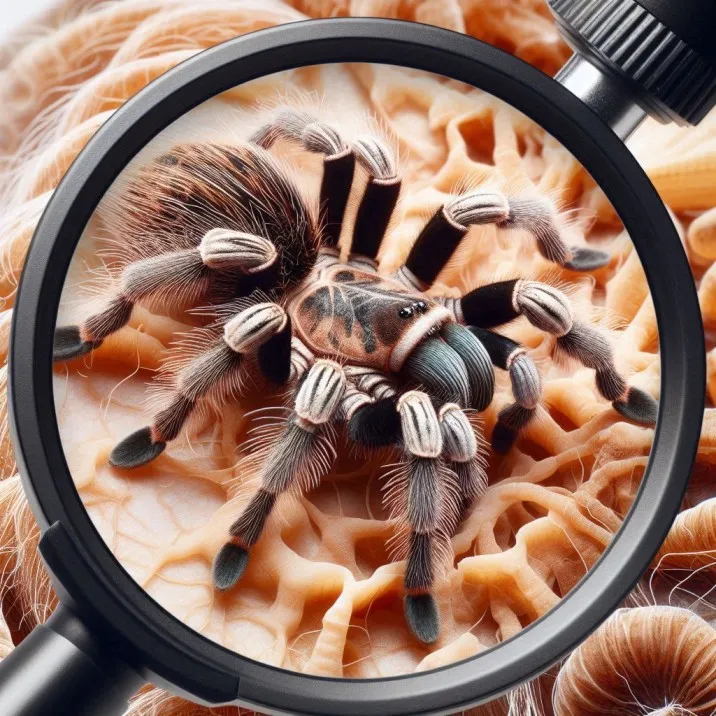
Tarantula Facts Top 5 Things You Didn’t Know
Tarantulas are fascinating creatures, often misunderstood and sometimes feared. But beneath their hairy exterior lies a world of biological wonders, unique adaptations, and surprising facts. This article will delve into the captivating world of tarantulas, debunking common misconceptions and revealing intriguing details about their lives. Prepare to be amazed by the top 5 things you probably didn’t know about these eight-legged marvels. Discover the truth behind whether a tarantula is a mammal and explore the incredible adaptations that make them so successful in their diverse habitats. From their intricate taxonomy to their unique venom and growth, we’ll cover a range of topics, offering a comprehensive overview of these incredible arachnids. Get ready to expand your knowledge and appreciation for tarantulas!
What is a Tarantula?
A tarantula is a large, hairy spider belonging to the Theraphosidae family. They are known for their impressive size, with some species having a leg span of over 10 inches. Tarantulas are found in various habitats around the world, primarily in tropical and subtropical regions. They are typically nocturnal hunters, feeding on insects, other invertebrates, and sometimes even small vertebrates like lizards and mice. Their bodies are divided into two main parts the cephalothorax (fused head and thorax) and the abdomen. They possess eight legs, eight eyes, and chelicerae (fangs) used for injecting venom. Their coloration varies widely, ranging from brown and black to vibrant blues, oranges, and reds, depending on the species and their environment. Tarantulas are not insects they are arachnids, which means they are more closely related to scorpions and mites.
Tarantula Taxonomy and Classification

Understanding where tarantulas fit in the animal kingdom is crucial. They belong to the phylum Arthropoda (which includes all animals with exoskeletons), the class Arachnida (which includes spiders, scorpions, mites, and ticks), and the order Araneae (spiders). Within the Araneae order, tarantulas belong to the infraorder Mygalomorphae, which is characterized by their large size, two pairs of book lungs, and chelicerae that point forward. The Theraphosidae family encompasses a vast diversity of tarantula species, with new species being discovered regularly. Taxonomic classification helps scientists understand the relationships between different species and how they have evolved over time. It provides a framework for studying their behavior, physiology, and conservation needs. Each level of classification from phylum to species, reveals more specific characteristics and evolutionary relationships of the tarantula.
Is a Tarantula a Mammal?
The short and simple answer is no, a tarantula is not a mammal. Mammals are warm-blooded animals that have fur or hair, give birth to live young, and produce milk to feed their offspring. Tarantulas, on the other hand, are cold-blooded arachnids with exoskeletons. They do not have fur or hair, they lay eggs, and they do not produce milk. Mammals belong to a completely different class of animals (Mammalia) than tarantulas (Arachnida). The key distinction lies in their fundamental biological characteristics, including their skeletal structure, reproductive methods, and respiratory systems. While both tarantulas and mammals are animals, they evolved along very different paths, adapting to different environments and developing unique survival strategies. This difference is a fundamental aspect of their biology.
Key Differences between Tarantulas and Mammals
Exoskeleton vs Endoskeleton

One of the most significant differences is the skeletal structure. Tarantulas have an exoskeleton, a hard, external covering made of chitin that protects their internal organs and provides support. This exoskeleton does not grow with the tarantula; therefore, the tarantula must molt (shed its exoskeleton) to grow. Mammals, however, have an endoskeleton, an internal skeleton made of bone that grows with the animal. This fundamental difference affects their mobility, growth patterns, and overall physiology. The exoskeleton provides protection but limits flexibility, while the endoskeleton allows for greater movement and growth.
Respiratory Systems
The respiratory systems also differ significantly. Tarantulas breathe using book lungs, which are stacked, leaf-like structures that facilitate gas exchange. These lungs are located in the abdomen. Mammals, on the other hand, have lungs that inflate and deflate to take in oxygen and expel carbon dioxide. This difference reflects their different metabolic rates and energy requirements. Mammals’ more efficient respiratory systems support their higher activity levels and warm-bloodedness. The book lungs are adapted to the exoskeleton, while mammalian lungs are well-integrated within the internal structure of the body.
Reproduction Methods
Reproduction is another critical distinguishing factor. Tarantulas reproduce by laying eggs, which hatch into spiderlings that resemble miniature adults. Female tarantulas typically create silken egg sacs to protect their eggs. Mammals, with a few exceptions, give birth to live young (viviparous). The mother provides nourishment and care for the offspring. This fundamental difference in reproductive strategy reflects their evolutionary divergence. Mammalian reproduction requires complex internal development and parental care, while tarantula reproduction is more straightforward, focused on egg laying and the subsequent survival of the spiderlings.
Unique Facts About Tarantulas

Venom and Toxicity
All tarantulas are venomous, but their venom is generally not dangerous to humans. The venom is used to subdue prey. The effects of a tarantula bite on a human are usually similar to a bee sting, causing localized pain, redness, and swelling. Some people may experience mild allergic reactions. However, the venom is not considered life-threatening. The toxicity of the venom varies between species. Some tarantulas have more potent venom than others. Most tarantulas are not aggressive and will only bite if they feel threatened. It’s important to handle tarantulas with care and respect to minimize the risk of being bitten. Understanding the venom’s composition and effects helps to manage any potential health concerns.
Lifespan and Growth
Tarantulas are known for their relatively long lifespans, especially the females. Females can live for 10 to 30 years, while males typically live for 5 to 10 years. This long lifespan is unusual in the insect world. The growth of a tarantula is achieved through molting. As the tarantula grows, it sheds its exoskeleton to reveal a new, larger one underneath. This process is a vulnerable time for the tarantula, as it is soft and defenseless. The frequency of molting decreases as the tarantula ages. The lifespan and growth pattern are key adaptations that contribute to their survival in diverse environments.
Tarantula Habitats

Common Tarantula Species
Tarantulas can be found in a wide range of habitats. Some of the most common species include the Chilean rose tarantula (Grammostola rosea), the Mexican redknee tarantula (Brachypelma hamorii), and the Goliath birdeater (Theraphosa blondi). Each species has its own specific habitat preferences and adaptations. The Chilean rose tarantula is a popular pet due to its docile nature. The Mexican redknee tarantula is known for its striking coloration. The Goliath birdeater is one of the largest tarantula species in the world. These examples showcase the diversity within the tarantula family and their ability to thrive in different environmental conditions. The choice of species often depends on the pet owner’s experience and their preferences.
Where Tarantulas Live
Tarantulas live in various habitats, including rainforests, deserts, grasslands, and even urban areas. They are typically found in tropical and subtropical regions. Some species are terrestrial, living in burrows they dig in the ground. Others are arboreal, living in trees or shrubs. The habitat preferences of tarantulas are determined by factors like temperature, humidity, and the availability of prey. They adapt to the environment in different ways, such as digging burrows for shelter, using camouflage to blend in with their surroundings, and developing behaviors suited to their local climate. The range of habitats showcases the tarantula’s adaptability and resilience.
Conclusion

In conclusion, tarantulas are fascinating creatures that are not mammals. They belong to a different class of animals, the Arachnida, and have evolved unique characteristics, such as exoskeletons, book lungs, and egg-laying reproduction. They are found in a wide range of habitats and exhibit impressive adaptations for survival. Understanding the differences between tarantulas and mammals, along with their remarkable biology and behaviors, allows us to appreciate these creatures more fully and to dispel common misconceptions. As we continue to study these amazing animals, we gain valuable insights into the incredible diversity and complexity of the natural world. The next time you encounter a tarantula, you’ll know that you are looking at an extraordinary example of life on earth.