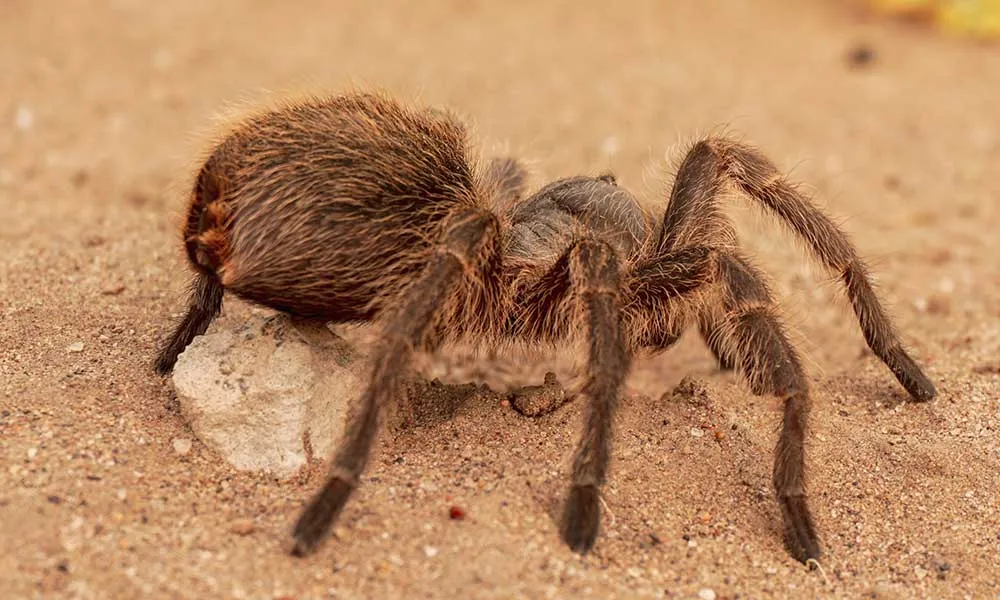
What is a Tarantula
Tarantulas are large, hairy spiders belonging to the Theraphosidae family. They are known for their impressive size, often with leg spans that can reach over 10 inches. These fascinating creatures are found in various habitats around the world, from tropical rainforests to deserts. They are generally nocturnal hunters, preying on insects, small reptiles, and even small mammals. Their imposing appearance and unique behaviors make them a captivating subject of study and a popular pet choice for some.
What Makes a Tarantula Special
Tarantulas possess several unique characteristics that set them apart. One notable feature is their longevity; some species can live for over 20 years. They also have the ability to regenerate lost limbs, a process that occurs over several molts. Their venom, though not typically lethal to humans, is a key tool for hunting and defense. Furthermore, tarantulas showcase diverse behaviors, including web-spinning for some species, while others are ambush predators that live in burrows. The combination of their size, lifespan, and unique adaptations truly makes them exceptional.
Tarantulas are Spiders

As spiders, tarantulas share fundamental characteristics with their arachnid relatives. They have eight legs, two body segments (cephalothorax and abdomen), and multiple eyes. They also undergo molting, shedding their exoskeletons as they grow. Their bodies are covered in hairs, some of which can cause irritation if they come into contact with skin. While they might appear intimidating, they play a vital role in their ecosystems as predators, helping to control insect populations. The classification of tarantulas within the spider family highlights their evolutionary history and their place in the natural world.
Tarantulas Habitat
Tarantulas thrive in a wide range of habitats, each influencing their behavior and appearance. They are found in tropical rainforests, where humidity and warmth are abundant. In deserts, they adapt to survive in burrows, avoiding extreme temperatures. Grasslands and shrublands also provide suitable environments, with various species selecting locations based on prey availability and shelter. Some tarantulas are arboreal, living in trees, while others are terrestrial, preferring to burrow in the ground. Their adaptability to different environments reflects their resilience as a species.
Are Tarantulas Poisonous or Venomous
This is a common question with a clear answer. Tarantulas are venomous, not poisonous. The key difference lies in how the harmful substance is delivered. Poisonous creatures release toxins through contact or ingestion, while venomous creatures inject toxins using fangs or other specialized structures. Tarantulas inject venom through their fangs when they bite. The venom is used primarily to subdue prey and is not typically fatal to humans, although it can cause various uncomfortable symptoms.
The Difference Between Poison and Venom

Understanding the difference between poison and venom is crucial for comprehending the nature of tarantula bites. Poisonous substances are harmful when ingested, inhaled, or touched. Think of poison ivy; touching it causes a reaction. Venom, on the other hand, is injected into the body through a bite, sting, or other means. Snakes, bees, and, of course, tarantulas, are examples of venomous animals. The method of delivery is the defining factor, differentiating the two categories of toxins.
Venom in Tarantulas
Tarantula venom is a complex mixture of toxins designed to incapacitate prey. The exact composition varies between species, but it generally includes enzymes and neurotoxins that disrupt the nervous system and cause paralysis. When a tarantula bites, it injects this venom, quickly immobilizing its target. While tarantula venom can cause pain, localized swelling, and other symptoms in humans, it is rarely life-threatening. Research on tarantula venom continues, exploring its potential for medical applications, such as in pain management.
Tarantula Bites and Human Reactions
Human reactions to tarantula bites vary based on the individual and the species of tarantula. Most bites cause mild to moderate symptoms, including localized pain, swelling, itching, and redness. Some people may experience muscle cramps, nausea, or increased sweating. Serious reactions are rare but can occur, especially in those with allergies or pre-existing health conditions. The severity of a bite depends on the amount of venom injected and the sensitivity of the individual. Seeking medical attention is recommended if symptoms are severe or persist.
Top 5 Facts About Tarantula Bites

Fact 1: Venom Strength
The venom of tarantulas varies in strength between different species. Some species have more potent venom than others. However, in general, tarantula venom is not considered highly toxic to humans. The primary purpose of the venom is to subdue prey, not to defend against larger predators. The effects on humans are usually localized and self-limiting, rarely resulting in serious complications. Research continues to study the specific components of tarantula venom and how they affect different organisms.
Fact 2: Allergic Reactions
Some individuals may experience allergic reactions to tarantula bites. These reactions can range from mild skin irritation to more severe symptoms like difficulty breathing or swelling of the face and throat. Anyone with a known allergy to insect venom or other allergens should be particularly cautious around tarantulas. It’s essential to seek immediate medical attention if an allergic reaction is suspected after a bite. Epinephrine (EpiPen) may be necessary in severe cases.
Fact 3: Bite Symptoms

Common symptoms of a tarantula bite include localized pain, redness, swelling, and itching at the bite site. Some people may also experience muscle cramps, nausea, headache, or sweating. These symptoms typically subside within a few hours or days. Applying a cold compress to the bite area and taking over-the-counter pain relievers can help alleviate discomfort. Monitoring the bite site for signs of infection or worsening symptoms is important.
Fact 4: Medical Treatment
Medical treatment for a tarantula bite usually focuses on managing symptoms. Cold compresses, pain relievers, and antihistamines can help reduce pain, swelling, and itching. In rare cases of severe allergic reactions, epinephrine injections and other medications may be necessary. Seeking medical attention is advised if symptoms are severe or if there are signs of infection, such as increasing redness, warmth, or pus. Most people recover fully from a tarantula bite without requiring extensive medical intervention.
Fact 5: Prevention
Preventing tarantula bites involves avoiding unnecessary contact with these spiders and handling them with caution. If you keep tarantulas as pets, handle them only when necessary and avoid sudden movements. Always wash your hands after handling a tarantula or anything that has been in contact with it. When in areas where tarantulas are common, be aware of your surroundings and avoid disturbing them. Educating yourself about tarantula behavior and proper handling techniques can significantly reduce the risk of bites.
Tarantula Keeping

Keeping a tarantula as a pet requires careful planning and preparation. Before getting a tarantula, research the specific species and its needs. Proper housing, including appropriate enclosure size, substrate, and ventilation, is essential. Maintaining the correct temperature and humidity levels is crucial for their health and well-being. Furthermore, it is important to learn about the proper care and handling of the spider, including how to feed, water, and clean their enclosure. Owning a tarantula can be a rewarding experience, but it is not without responsibility.
Proper Housing
The ideal enclosure for a tarantula should be escape-proof, appropriately sized for the species, and provide a suitable environment. Terrestrial tarantulas typically need a horizontal enclosure with enough floor space for burrowing or moving around. Arboreal tarantulas require taller enclosures with climbing branches or cork bark. The substrate should be appropriate for the species and maintain the correct humidity level. Adequate ventilation is also necessary to prevent mold growth. Ensure that the enclosure is securely closed and that all decorations are safe and non-toxic.
Feeding your Tarantula
Feeding tarantulas involves providing a diet of live insects, such as crickets, mealworms, or roaches. The size of the prey should be appropriate for the size of the tarantula, typically no larger than the spider’s body. Feeding frequency depends on the species, age, and individual spider, but generally, young tarantulas are fed more often than adults. Provide a shallow water dish with fresh water at all times. Remove any uneaten insects from the enclosure to prevent stress and potential harm to the tarantula. Observe your tarantula’s eating habits to ensure it is healthy and thriving.
Conclusion

In summary, tarantulas are fascinating creatures with unique characteristics and behaviors. They are venomous, not poisonous, with bites that typically cause mild symptoms in humans. Understanding the difference between venom and poison, as well as the various aspects of tarantula biology, can help reduce fears and promote responsible interaction with these spiders. Whether you are a casual observer or a tarantula enthusiast, learning about these creatures adds a new appreciation for the biodiversity of our planet. Always handle tarantulas with respect and caution.