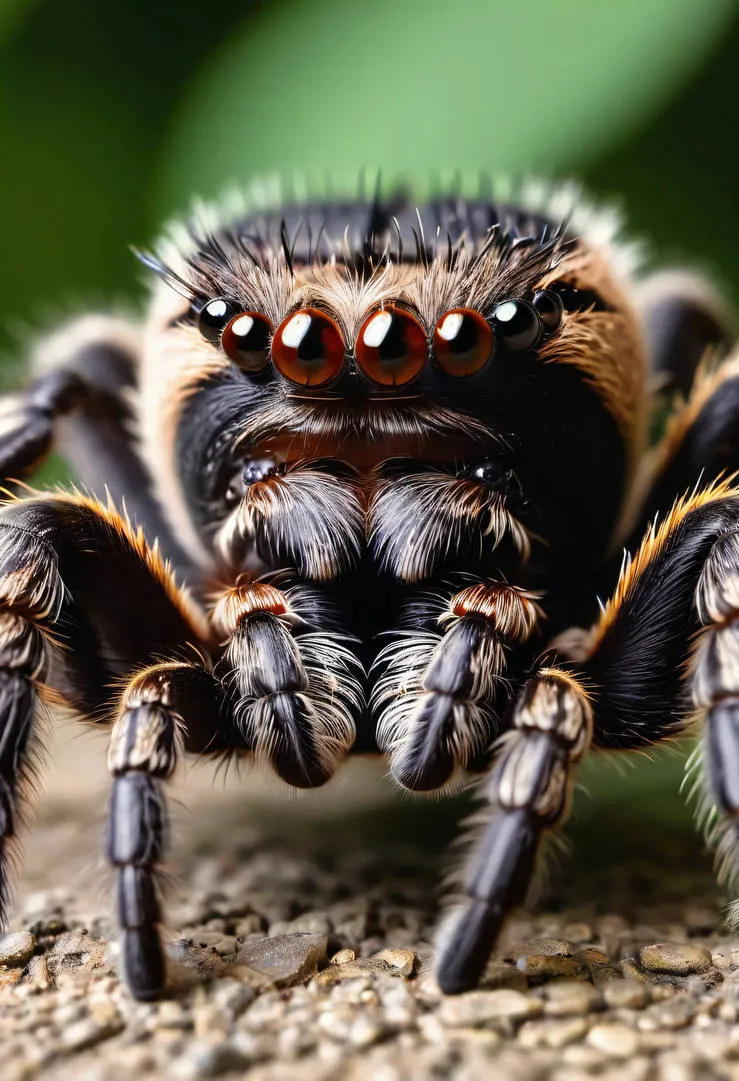
Tarantula Facts Top 5 You Need to Know!
Tarantulas, with their imposing size and often colorful appearance, have captured the fascination of many. These arachnids, belonging to the Theraphosidae family, are found worldwide and present a wide array of interesting facts. This article will delve into the top 5 facts you need to know about these fascinating creatures, covering their biology, behavior, and their place in the world, and in your home. Get ready to explore the world of tarantulas!
What is a Tarantula?
Tarantulas are large, hairy spiders belonging to the Theraphosidae family. They are among the largest spiders in the world, with some species having leg spans of over 10 inches. They are characterized by their size, their hairy bodies, and their relatively long lifespans. Unlike many other spiders, tarantulas are not considered to be highly venomous, although their bite can be painful. They are primarily nocturnal hunters, and they use their fangs to inject venom into their prey, such as insects, other arthropods, and sometimes even small vertebrates.
They play a crucial role in their ecosystems, helping to control insect populations.
Appearance and Characteristics

Tarantulas exhibit a wide range of colors, patterns, and sizes depending on the species. They have two main body parts a cephalothorax (fused head and chest) and an abdomen. The cephalothorax holds the eyes, mouthparts (chelicerae and pedipalps), and legs. Their bodies are covered in hairs, which can be urticating hairs (for defense) or sensory hairs. They have eight legs, each ending in claws that allow them to climb and grip surfaces. The chelicerae contain the fangs, which are used to inject venom. Tarantulas also have spinnerets at the end of their abdomen, which they use to produce silk for various purposes, including creating burrows, egg sacs, and webs.
Where Do Tarantulas Live?
Tarantulas are found in various habitats around the world, primarily in tropical and subtropical regions. They are native to North and South America, Africa, Asia, and Australia. Their adaptability allows them to thrive in diverse environments, from arid deserts to humid rainforests. They typically live in burrows, under rocks, or in trees, depending on the species. Some species are terrestrial, spending most of their time on the ground, while others are arboreal, living in trees. The location of their habitats dictates a great deal about the habits and behavior.
Habitat and Distribution
Tarantulas have a wide distribution across the globe, with different species adapted to specific environments. Their habitats vary significantly based on the species. Terrestrial tarantulas are found in deserts, grasslands, and forests, where they dig burrows or use natural shelters. Arboreal tarantulas, on the other hand, live in trees and shrubs. Their distribution is influenced by factors such as temperature, humidity, and the availability of prey. The presence of specific tarantula species can indicate the health of their habitat. Preserving their habitat is vital for their survival, as habitat destruction and climate change pose threats to many tarantula populations.
Common Habitats

Common habitats include tropical rainforests, where the high humidity and abundance of prey make for ideal conditions for many species of tarantulas. Deserts also house specific species, where tarantulas have adapted to the arid environment by burrowing deep underground and being active at night. Grasslands offer another habitat, providing both cover and ample insect populations for hunting. Each habitat type shapes the specific characteristics and behaviors of the tarantulas that reside there, from their size and coloration to their hunting strategies.
What Do Tarantulas Eat?
Tarantulas are primarily carnivores, and their diet consists mainly of insects and other arthropods. They are opportunistic hunters, meaning they will eat whatever prey they can capture and subdue. Larger tarantula species may also consume small vertebrates, such as lizards, mice, and even small birds. Their feeding habits are closely tied to their habitat and the availability of prey. They use their fangs to inject venom, which paralyzes the prey, and then they release digestive enzymes to liquefy the prey’s insides, which they then suck up. Their powerful jaws allow them to crush the exoskeletons of their prey.
Diet and Feeding Habits
The diet of a tarantula varies based on its size and the environment it lives in. Juvenile tarantulas primarily eat small insects like fruit flies, pinhead crickets, and small mealworms. As they grow, their diet expands to include larger prey, such as cockroaches, locusts, and larger crickets. Adult tarantulas are known to eat larger prey like lizards and mice. Feeding frequency depends on the age and metabolism of the tarantula, with younger tarantulas needing to eat more frequently. Tarantulas are ambush predators, waiting for prey to come within striking distance before attacking. They use their fangs to inject venom, which immobilizes the prey, making it easier to consume.
Prey and Hunting Strategies

Tarantulas employ various hunting strategies to catch their prey. Some species are active hunters, while others are ambush predators. They use their sense of vibration to detect movement and locate potential prey. When a prey item comes within range, a tarantula will quickly strike, injecting venom to subdue it. The venom not only paralyzes the prey but also begins the process of breaking down the tissues, which makes it easier for the tarantula to consume. Some tarantulas also have urticating hairs that they can flick at potential threats, which is a defense mechanism.
Tarantula Behavior
Tarantulas exhibit a range of interesting behaviors, from their defensive strategies to their mating rituals. Their behavior is heavily influenced by their environment and the need to survive and reproduce. They are generally solitary creatures, except during mating season. Their behavior patterns, such as their activity levels and preferred habitats, vary depending on the species and environmental factors. Tarantulas’ behaviors, such as molting, feeding habits, and their reaction to threats, are critical for their survival.
Defensive Mechanisms
Tarantulas have several defensive mechanisms to protect themselves from predators. One of the most common is the use of urticating hairs. These hairs, located on the abdomen of many tarantula species, are flicked at threats. When these hairs come into contact with the skin or eyes, they cause intense itching and irritation. Another defense mechanism is the tarantula’s ability to bite. While their venom is generally not lethal to humans, it can be painful. Additionally, tarantulas may raise their front legs and show their fangs as a threat display.
Lifespan and Reproduction

Tarantulas have a relatively long lifespan compared to many other spiders. Females can live for several decades, while males typically have a shorter lifespan. Their reproductive cycle involves mating, egg production, and the care of spiderlings. The lifespan and reproductive strategies vary significantly among different species, with some species having faster growth and reproductive rates than others. Understanding these aspects is important for both conservation efforts and for those who keep tarantulas as pets. The females live much longer than the males, with some living up to 20 years.
Mating Rituals and Egg Sacs
Mating rituals vary among tarantula species but usually involve the male displaying to the female. The male often drums his pedipalps or taps his legs to attract the female. If the female is receptive, mating occurs, after which the male often needs to escape quickly to avoid being eaten by the female. After mating, the female produces an egg sac, which contains hundreds of eggs. She then carefully guards the egg sac, turning it regularly to ensure even incubation. Once the spiderlings hatch, they go through several molting phases before becoming independent, each molt growing larger and more developed.
Tarantulas as Pets
Tarantulas are increasingly popular as pets due to their unique appearance and relatively low maintenance needs. They are typically kept in terrariums with appropriate substrate, temperature, and humidity levels. Proper care includes providing the right diet, water, and enrichment. Keeping tarantulas as pets requires responsible ownership, including knowledge of their specific needs and the potential risks associated with handling them. Responsible pet ownership ensures the well-being of the tarantula while allowing owners to enjoy these captivating creatures.
Care and Maintenance Tips

Providing proper care involves several key factors, starting with the appropriate enclosure. A well-ventilated terrarium with the right size and substrate, such as coconut fiber or peat moss, is essential. Temperature and humidity levels need to be maintained based on the species’ requirements. Feeding involves offering an appropriate diet of insects, adjusting the frequency based on the tarantula’s age and growth. Regular water should be provided. It is important to avoid handling your pet to reduce the risk of bites. The health of the tarantula must be monitored, looking for signs of molting, illness, or any unusual behaviors.
Common Health Issues and Prevention
Tarantulas, like all pets, can be prone to certain health issues. One of the most common problems is dehydration, which can be prevented by providing a constant source of water. Other issues include mites, fungal infections, and problems with molting. Mites can be controlled by maintaining a clean enclosure and quarantine new tarantulas before introducing them. Proper humidity and ventilation help prevent fungal infections. Ensuring proper temperature and humidity levels will support healthy molting. Regular inspections of the tarantula and its environment are vital for early detection and resolution of these issues.
Conclusion
Tarantulas are remarkable creatures with a fascinating biology and behavior. Understanding the top 5 facts about them, including their diversity, habitats, and care requirements, allows us to appreciate these arachnids. By learning about their role in ecosystems and their interactions with humans, we can also help protect and conserve tarantula populations. Whether you are an enthusiast or a curious reader, the world of tarantulas offers a wealth of knowledge and wonder.