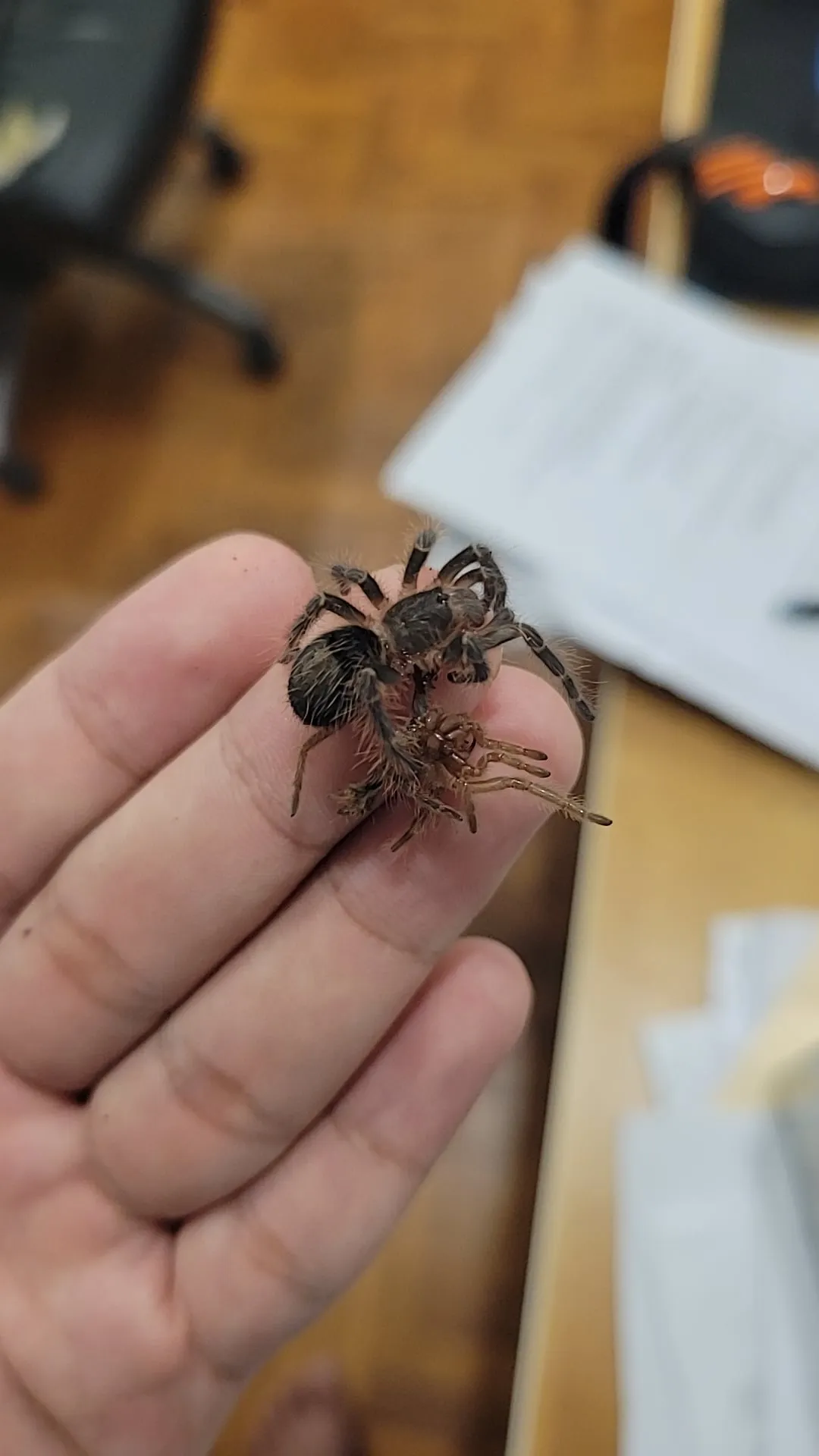
Understanding Tarantula Molting
Molting is a natural and essential process for tarantulas, allowing them to shed their old exoskeleton and grow. This process is not only about growth; it’s also about renewing their outer shell, which can become worn or damaged. The frequency of molting depends on the tarantula’s age, growth rate, and species. Young tarantulas molt more frequently than adults, sometimes every few months, while older tarantulas may only molt once a year or even less. Understanding the basics of molting is vital for any tarantula owner, ensuring the well-being and health of their pet during this vulnerable time. Proper care during and after the molt will directly affect the tarantula’s longevity and quality of life. It is a critical period to be aware of and properly manage.
The Molting Process Unveiled
The molting process is a fascinating, yet delicate, procedure. It begins with the tarantula preparing for the shed, often by becoming less active and potentially refusing food. The tarantula will then position itself, usually on its back, to ease the process. The old exoskeleton splits, allowing the tarantula to wriggle free, a process that can take anywhere from a few minutes to several hours. During this time, the tarantula is incredibly vulnerable because its new exoskeleton is soft and pliable. Once the tarantula has fully emerged, it will rest while the new exoskeleton hardens, a process that can take several days or even weeks, depending on the size and species of the tarantula. It is a complete transformation, making the tarantula completely different from the moment before the molt.
Signs Your Tarantula Is Molting

Recognizing the signs that your tarantula is about to molt is crucial for providing the best care. One of the first signs is a change in behavior; the tarantula may become less active, lose its appetite, and may start to spend more time in its hide. You might notice a darkening or discoloration of the abdomen, and the tarantula’s abdomen may appear more plump. Additionally, the tarantula might start constructing a web mat or sealing off its burrow in preparation. If you observe these signs, it is best to refrain from any disturbances to your tarantula, including feeding, as this can cause unnecessary stress. Being aware of the tarantula’s natural behaviors is crucial for its care.
Why It’s Crucial to Wait Before Feeding
Waiting to feed your tarantula after a molt is critical for its survival. The new exoskeleton is soft and not yet equipped to handle the stress of a meal. The fangs, crucial for capturing and consuming prey, are also soft and susceptible to damage. Feeding a tarantula too early can result in the tarantula being unable to properly eat, which can lead to starvation. Additionally, the tarantula might not be able to defend itself from the prey, leading to injury or stress. Allowing the tarantula enough time to harden its exoskeleton ensures it can hunt and feed safely. Being patient is a sign of a good tarantula keeper.
Risks of Premature Feeding
Premature feeding poses several risks to a recently molted tarantula. One significant risk is the potential for the tarantula to injure itself while attempting to capture and eat prey. Soft fangs and mandibles can break or be damaged, making it difficult or impossible for the tarantula to feed. The tarantula might also struggle to subdue the prey, leading to stress and potential injury. Another risk is that the tarantula might regurgitate its meal because its digestive system isn’t fully functional, leading to a mess and potentially contaminating the enclosure. These issues can lead to a decline in the tarantula’s health, reducing its lifespan. Observing and waiting is a wise course of action.
Potential Health Issues

Feeding a tarantula too early can result in various health problems. One possible outcome is dehydration, as the tarantula may struggle to ingest enough fluids. The tarantula might also experience difficulties with digestion. If the digestive system isn’t fully functional, the tarantula might not absorb nutrients, leading to malnutrition. Moreover, an early feeding could lead to a rupture of the abdomen. Such complications can dramatically impact the tarantula’s well-being. These issues emphasize the need for appropriate timing when reintroducing food after a molt. The tarantula’s health depends on the keeper’s ability to take all measures necessary to ensure the tarantula is safe.
Optimal Waiting Time After Molt
The optimal waiting time before feeding your tarantula depends on several factors, but generally, it’s best to wait at least one week after a successful molt. This allows enough time for the new exoskeleton and fangs to fully harden. For smaller tarantulas or those with slower growth rates, you may need to wait a bit longer, sometimes up to two weeks. It’s important to closely observe your tarantula. You should avoid trying to feed your tarantula if it appears lethargic or is not moving as usual. To determine when it is safe to feed, look for signs like the tarantula resuming normal activity and showing interest in its surroundings. Always prioritize your tarantula’s safety and health.
Factors Influencing Recovery Time
Several factors influence how long it takes for a tarantula to recover after molting. One of the most crucial is the environmental conditions, especially temperature and humidity. Maintaining the appropriate temperature and humidity levels for your tarantula species can help speed up the hardening of the exoskeleton. Proper diet and nutrition also play a role. A well-fed tarantula is generally in better health and is more likely to recover faster. Stress can also impact recovery time. Minimizing disturbances and providing a safe, comfortable environment can aid in faster recovery. By considering these factors, you can help your tarantula return to its normal activities and behaviors.
Species-Specific Considerations
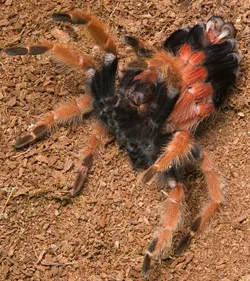
Different tarantula species have different needs, including variations in molting and recovery times. Some species are naturally faster growers, while others have slower metabolisms. This can influence the time it takes for their exoskeletons to harden and for them to be ready to eat again. For instance, fast-growing species might be ready to feed in a week, while slower-growing ones could take two weeks or longer. Researching your specific species is essential to understanding their molting habits and care requirements. Observe your tarantula’s behavior and body language. These observations will help guide your feeding decisions. Make sure to avoid any generalizations when caring for your tarantula. Each species has unique needs.
Size of the Tarantula
The size of your tarantula significantly affects the recovery time after molting. Smaller tarantulas, such as spiderlings, tend to molt more frequently than adults and also have a faster metabolism. They might be ready to eat sooner than larger, adult tarantulas, but this can vary. Bigger tarantulas, on the other hand, take longer to molt and often have a longer recovery period. The larger the tarantula, the more time it takes for the exoskeleton to harden. Careful observation is essential, as some large tarantulas may take several weeks to fully recover. Paying attention to the size and growth stage of your tarantula can help you determine the ideal waiting period.
Temperature and Humidity
Temperature and humidity play crucial roles in the molting process and the recovery of your tarantula. The correct temperature and humidity levels are essential for the tarantula’s well-being. Maintaining the right environment ensures that the new exoskeleton hardens correctly. Low humidity can cause the exoskeleton to dry out too quickly, potentially leading to deformities. High humidity, while not as harmful, can promote the growth of mold and bacteria, which can negatively affect the tarantula’s health. Always research the specific requirements for your tarantula species to create the optimal environment. A well-maintained environment can help reduce recovery time. Monitoring and adjusting temperature and humidity is one of the most critical factors in tarantula care.
Feeding Your Tarantula After Molt

When the time comes to feed your tarantula, start with smaller meals to make sure it’s able to eat properly. A small insect, like a pre-killed cricket or a small mealworm, is a good starting point. Watch your tarantula closely to make sure it can handle the prey and feed without any issues. If your tarantula refuses the meal, it’s best to remove the prey immediately to prevent it from causing stress or harm. Always provide fresh water. Remember that patience is key, and it’s better to err on the side of caution. Once you are certain that your tarantula is comfortable and able to eat again, you can gradually increase the size of the meals.
First Meal Considerations
When offering the first meal after a molt, it’s essential to consider the size and type of prey. Choose food items that are appropriate for your tarantula’s size and species. Pre-killed prey is generally recommended for the first meal, as it minimizes the risk of your tarantula getting injured. The meal should be easy for the tarantula to handle and consume. Avoid offering large prey items, which can be difficult for the tarantula to manage. If the tarantula is hesitant or doesn’t seem interested in eating, remove the prey after a few hours and try again in a few days. Observing the tarantula’s response to the first meal can help guide your feeding schedule and determine the best approach for your pet.
Appropriate Food Choices
Selecting the right food for your tarantula is essential for its health and well-being, especially after a molt. Crickets, mealworms, and roaches are common choices, but the best option depends on the size and species of your tarantula. For spiderlings, smaller prey like flightless fruit flies or pinhead crickets are suitable. As the tarantula grows, you can gradually introduce larger prey. It’s crucial to avoid feeding your tarantula prey that has been exposed to pesticides. Additionally, providing a varied diet can ensure that your tarantula receives all the necessary nutrients. Feeding your tarantula a balanced diet will contribute to its health and promote healthy growth. Always ensure the food items are fresh and of good quality.
Monitoring Your Tarantula’s Recovery

Closely monitoring your tarantula’s recovery after a molt is crucial for ensuring its health and well-being. Watch for any changes in behavior or appearance, such as how active it is, whether it’s showing interest in food, and if its fangs and exoskeleton appear normal. Make sure to check that the tarantula’s fangs are working properly. Keep a close eye on its abdomen for any discoloration or unusual swelling. Any abnormalities should be addressed immediately, and seeking advice from an experienced tarantula keeper or a veterinarian can be beneficial. Regular observation and proactive care can help you catch any potential issues early on and ensure your tarantula’s long-term health. Careful observation is one of the best ways to ensure your tarantula’s health.
Signs of Successful Recovery
Recognizing the signs of a successful recovery is essential to know that your tarantula is back to normal. The first sign is usually a return to normal activity levels. The tarantula should start moving around its enclosure and exploring its surroundings. Another positive sign is a healthy appetite. After the appropriate waiting period, a tarantula that is fully recovered will readily accept food. The fangs should appear strong and able to grab and subdue prey. Look for the tarantula to resume normal behavior, such as burrowing, webbing, and general activities. If you observe all these signs, you can be sure your tarantula has fully recovered and is ready for regular feeding.
Common Issues and Solutions
Even with the best care, issues can arise during or after a molt. One common problem is a failed molt, where the tarantula struggles to shed its old exoskeleton. This can be caused by low humidity or other environmental issues. Another issue is the tarantula losing a limb during the molt. It may take multiple molts for the limb to regrow. If you observe any problems, such as the tarantula refusing food for an extended period or showing signs of injury, consult with an experienced tarantula keeper or a vet. By being prepared, you can handle the challenges that can arise. Addressing problems can greatly increase the chances of your tarantula’s long-term health and survival. Always be proactive.
In conclusion, knowing how long to wait to feed your tarantula after a molt is crucial for its health and well-being. By understanding the molting process, the risks of premature feeding, and the factors that affect recovery time, you can provide the best possible care for your pet. Always remember to observe your tarantula closely, maintain proper environmental conditions, and choose the right food. Patience and careful monitoring are key to helping your tarantula thrive.