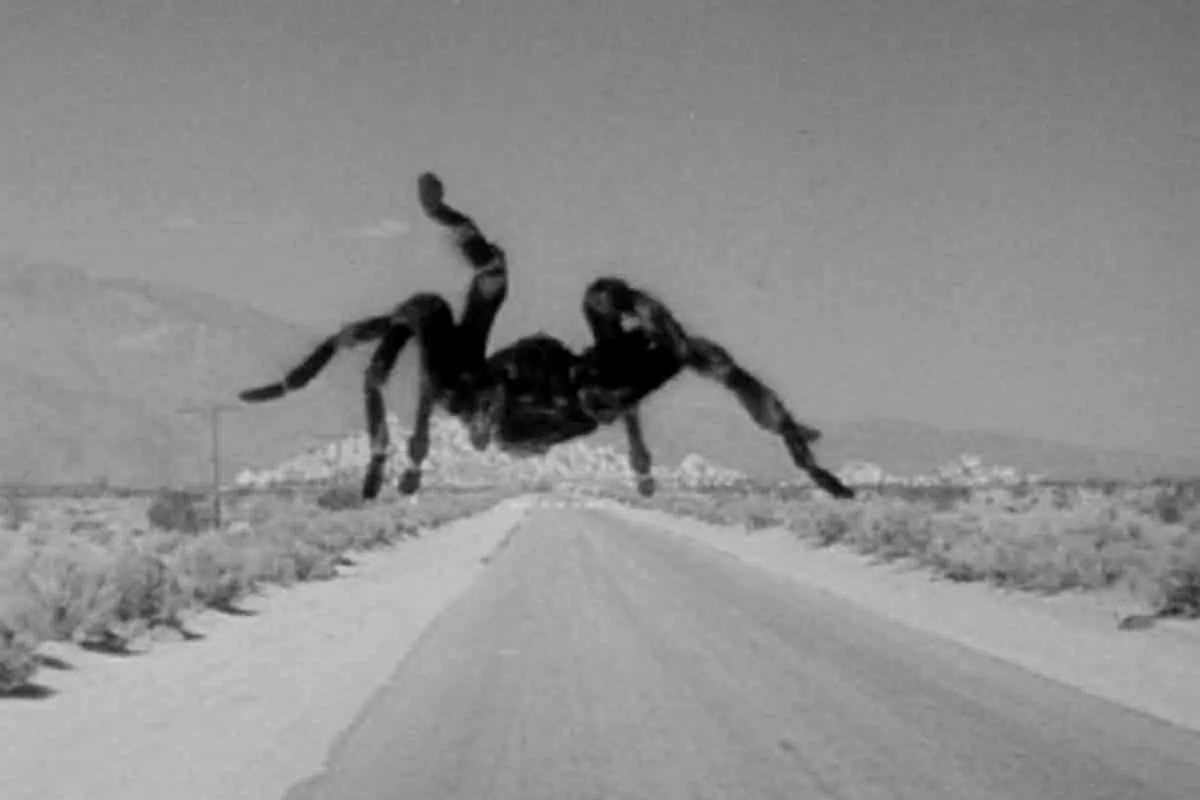
The Giant Tarantula’s Debut
The 1955 film Tarantula! marked a significant moment in the science fiction and monster movie genres. Directed by Jack Arnold, the film presented a terrifying premise a gigantic, mutated tarantula terrorizing a small town in the American Southwest. This concept, while seemingly simple, tapped into the anxieties of the atomic age, where the potential for unseen dangers and mutations loomed large in the public consciousness. The film’s success set a precedent for future monster movies and demonstrated the power of combining suspense, special effects, and a relatable human element to create a lasting impact on audiences.
The Cast and Crew
The success of Tarantula! was a collaborative effort. The cast was led by John Agar, Leo G. Carroll, and Mara Corday. Agar, known for his roles in other science fiction and horror films, brought a sense of everyman heroism to his role. Carroll, with his distinguished presence, added a layer of authority. The direction of Jack Arnold was also key. Arnold, already a master of the genre with films like Creature from the Black Lagoon, knew how to build suspense and effectively utilize the creature effects. The production team’s combined experience resulted in a polished film that continues to entertain and influence filmmakers today.
The Star of the Show

John Agar played the role of Dr. Matt Hastings, a local doctor who becomes entangled in the mystery surrounding the giant tarantula. His character provided a crucial human perspective to the unfolding events. He portrayed the struggle to save the town, adding an element of emotional depth to the narrative, connecting the audience to the film’s stakes. As the tarantula’s threat grew, the audience found themselves invested in the doctor’s desperate attempts to stop the creature, which contributed significantly to the suspense and overall effectiveness of the film.
The Director’s Vision
Jack Arnold’s vision was central to the film’s success. Arnold had a knack for combining thrilling visuals with a sense of realism. He understood that the key to a good monster movie was not just the monster itself, but the human element. By focusing on the characters, their reactions, and their struggle to survive, Arnold created a sense of immediacy that drew audiences in. He also utilized effective camera angles and editing techniques, creating a sense of dread. His direction elevated Tarantula! above a typical monster flick.
Special Effects That Stunned
The special effects in Tarantula! were innovative for their time, using a combination of forced perspective and practical effects to create the illusion of a giant spider. The filmmakers employed a real tarantula, filming it against miniature sets, which contributed to the film’s overall realism. The effects team did a commendable job creating the illusion of the giant tarantula terrorizing the town. Despite the technical limitations of the era, these effects remain impressively effective, and they contribute to the film’s lasting appeal. The effects helped establish Tarantula! as a standout example of practical effects in monster movies.
The Science Behind the Fiction

The premise of Tarantula! involved a tarantula growing to an enormous size due to exposure to experimental radiation. This aspect of the film tapped into Cold War era fears of atomic testing and its potential for unintended consequences. While the science was fictional, it reflected a real concern that new scientific advancements could lead to unforeseen disasters. The film’s narrative played on these anxieties, making the giant tarantula a symbol of the unknown dangers of scientific progress and the destructive power of unchecked experimentation.
The Tarantula’s Growth Rate
The film does not go into precise details about the exact rate of the tarantula’s growth, but it does provide a sense of escalating danger, as the spider swiftly evolves into a deadly threat. The rapid transformation is a key element of the film’s suspense, as the authorities struggle to understand and contain the creature. This rapid growth underscores the film’s overall theme about the dangers of unchecked scientific power and the urgency with which these threats must be dealt.
The Radioactive Connection
The film’s plot connects the tarantula’s mutation to radiation. The underlying implication is that the spider’s growth is a consequence of the same atomic experiments that were a major concern during the Cold War. This element made the movie especially pertinent for its time, resonating with widespread fears of an impending nuclear disaster. The film’s use of radiation as the catalyst for the monster’s transformation reflects a deeper anxiety regarding the control of scientific advances and the potential for nuclear weaponry.
The Film’s Cultural Impact

Tarantula! had a substantial impact on the monster movie genre. It helped solidify many of the tropes, and the success of the film led to a surge of similar movies, establishing a template that other filmmakers followed. The film’s popularity helped to define the look and feel of the era’s science fiction and horror films. This influence is still visible in modern film and television productions. Its cultural impact can be seen in the way it reflected and shaped societal anxieties, which led to many tributes and homages in later productions.
Influence on Future Monster Movies
Tarantula! influenced numerous monster movies that came after it. The film’s narrative structure, the use of practical effects, and the focus on scientific themes were all adopted by future filmmakers. Films like Them! (1954), The Incredible Shrinking Man (1957), and countless other creature features owe a debt to Tarantula!. The film established several key components that have become staples of the genre, and the film’s influence is still felt today in contemporary monster movies and television shows.
Critical Reception and Legacy
Upon its release, Tarantula! received generally positive reviews and has continued to be well-regarded over the years. Critics praised its suspenseful storytelling, effective use of special effects, and the film’s thematic depth. Its legacy as a classic is still strong, and it continues to be shown and celebrated at film festivals and screenings. The film’s enduring appeal is a testament to its skillful execution. It remains a highly influential and enjoyable example of its genre and a cultural touchstone.
Where to Watch the Classic

Today, Tarantula! can be viewed on various streaming platforms. Additionally, it’s often available for purchase on DVD and Blu-ray, making it accessible for classic film enthusiasts and fans of the genre. The film is frequently featured on classic movie channels and television schedules. Its continued accessibility allows new audiences to discover and appreciate this science fiction classic. You can easily find a way to experience the thrills of the giant tarantula!