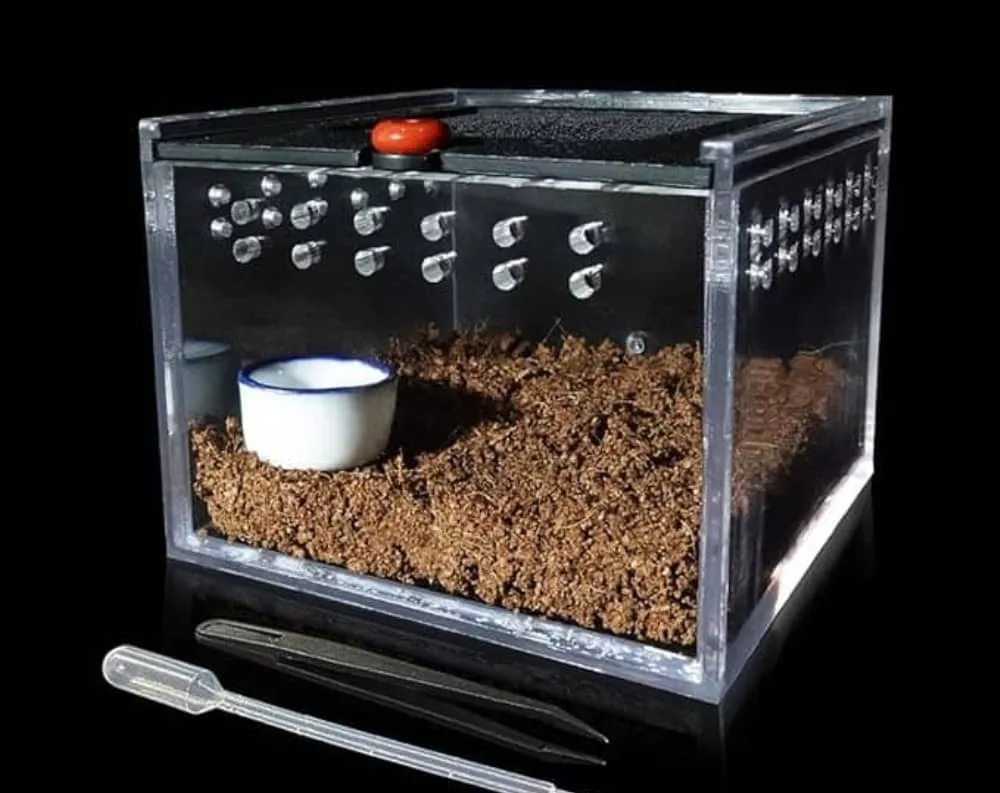
Choosing the Right Tarantula Habitat Size
Creating a perfect tarantula habitat starts with choosing the right size enclosure. The size of your tarantula habitat is critical for the health and well-being of your pet. A habitat that’s too small can restrict movement, lead to stress, and hinder molting, while a habitat that’s too large can make it difficult for your tarantula to find food and feel secure. When selecting a habitat, consider both the size of your tarantula and its species-specific needs. Always prioritize horizontal space for terrestrial species, and vertical space for arboreal species. Ensure the habitat allows for proper ventilation and easy access for maintenance. Think about how much space your tarantula needs to move around, burrow, and feel safe. An adequately sized habitat will contribute significantly to your tarantula’s overall health and happiness.
Factors to Consider When Choosing Habitat
Several factors come into play when selecting the perfect habitat for your tarantula. Ventilation is paramount, as it prevents the buildup of harmful gases and reduces the risk of mold and fungal growth. A well-ventilated habitat promotes a healthy environment. The material of the enclosure matters too glass terrariums provide excellent visibility and are easy to clean, while plastic enclosures are often more lightweight and durable. Consider the ease of access for feeding, watering, and cleaning. The lid should fit securely to prevent escapes and provide a good seal to maintain humidity. Ensure the enclosure is easy to open and close for your convenience. Finally, the aesthetics of the habitat matter too. A well-designed habitat not only benefits the tarantula but also enhances your enjoyment of observing your pet. Consider a substrate that complements the look of your enclosure.
Species Size and Needs

The size and type of tarantula you have directly influence the ideal habitat dimensions. For example, a small terrestrial tarantula species like the Chilean rose hair may thrive in a 5-gallon tank, while a large terrestrial species, such as the Goliath birdeater, will require a significantly larger enclosure, like a 20-gallon long tank or bigger. Arboreal species, which are tree-dwelling, need taller enclosures to accommodate their climbing behavior. Research the specific needs of your tarantula species. Consider how large it will grow, its natural habitat, and its preferred behavior. This information will guide you in selecting the appropriate size and features for the habitat. Providing adequate space will allow your tarantula to thrive, and ensure a safe and comfortable living environment.
Creating a Naturalistic Habitat
A naturalistic habitat enriches your tarantula’s life by mimicking its natural environment. The goal is to create a habitat that promotes natural behaviors and provides a sense of security. This involves carefully selecting substrate, adding appropriate decorations, and maintaining the right temperature and humidity. Naturalistic habitats stimulate your tarantula’s senses and provide opportunities for exploration, burrowing, and hiding. This type of setup can reduce stress and encourage your tarantula to display its natural behaviors. Consider the species’ origin when designing the habitat. For example, a desert species would benefit from a sandy substrate and arid conditions, whereas a rainforest species would need a humid environment with plenty of hiding places.
Substrate Selection for Your Tarantula
The substrate is the foundation of your tarantula’s habitat. It serves several crucial functions, including providing a surface for the tarantula to walk on, burrow in, and regulate humidity. The ideal substrate should be absorbent, non-toxic, and suitable for the specific needs of your tarantula species. Avoid substrates that are dusty, as they can irritate your tarantula’s respiratory system. The choice of substrate directly impacts the health and well-being of your tarantula. A good substrate helps maintain the correct humidity levels, provides a comfortable surface for your pet to move on, and allows for burrowing, which is natural behavior for many tarantula species. Consider the substrate’s ability to absorb moisture and its potential for mold or fungal growth.
Types of Substrates

There are various types of substrates available, each with its own advantages and disadvantages. Coconut fiber, or coco coir, is a popular choice due to its excellent water retention and natural appearance. Sphagnum moss is ideal for maintaining humidity, especially for species that require higher moisture levels. Peat moss is another option, known for its moisture-retaining properties. Vermiculite is sometimes added to substrates to improve moisture retention. Play sand can be used for desert species, offering a more naturalistic environment. The best substrate choice depends on the needs of your tarantula species and the overall environment you wish to create. It is also helpful to mix different substrates together to improve the overall characteristics of the habitat, such as the ability to hold moisture or to allow for burrowing.
Benefits of a Good Substrate
A good substrate offers numerous benefits for your tarantula. It regulates humidity, which is essential for successful molting and overall health. It provides a comfortable surface for walking and burrowing. It also offers a buffer against temperature fluctuations, helping to maintain a stable environment. Good substrates also absorb waste, making cleaning easier and preventing the buildup of harmful substances. Some substrates even help control odors. By selecting the right substrate, you enhance your tarantula’s well-being and create a more natural, enriching environment. Always choose a substrate that is free from pesticides and other harmful chemicals. Regular maintenance and spot cleaning are crucial for maintaining a healthy habitat.
Essential Habitat Accessories
Beyond the enclosure and substrate, several accessories are essential for a healthy and enriching tarantula habitat. These include a water dish, hiding places, and decorative elements. Water dishes provide a constant source of fresh water, which is crucial for hydration. Hiding places, such as cork bark, hollow logs, or artificial hides, offer security and reduce stress. Decorative elements, while aesthetically pleasing, can also enrich the environment. These accessories contribute to the overall well-being of your tarantula and provide opportunities for natural behaviors. The right accessories will make the habitat more functional and visually appealing. Always choose accessories that are safe, non-toxic, and appropriate for your tarantula’s size and species.
Water Dish and Hydration

A water dish is a non-negotiable item in any tarantula habitat. It provides a constant source of fresh water for your tarantula to drink and helps maintain humidity. The water dish should be shallow enough to prevent your tarantula from drowning and should be easy to clean. Regular cleaning is essential to prevent bacterial growth. Choose a water dish made of a non-toxic material, such as ceramic or plastic. Some keepers use a sponge in the water dish to provide a better grip and to increase surface area for drinking. Always ensure the water is clean and readily available. It is a good idea to keep the water level shallow to prevent accidental drowning. Also, misting the enclosure can help in supplementing your tarantula’s water intake.
Hiding Places and Enrichment
Hiding places are crucial for reducing stress and allowing your tarantula to feel secure. Tarantulas are naturally shy creatures, and a hide provides them with a safe retreat. Cork bark, hollow logs, and artificial hides are all excellent options. The hiding place should be large enough for your tarantula to fit comfortably but not too spacious, as this can make them feel less secure. Enrichment items, such as fake plants, branches, and rocks, can also enhance the habitat and provide opportunities for exploration. They can help stimulate natural behaviors, such as climbing and web-building. Consider the species-specific needs of your tarantula when choosing enrichment items. Make sure any decorations are secure and non-toxic.
Maintaining Optimal Temperature and Humidity
Maintaining the correct temperature and humidity levels is critical for your tarantula’s health and well-being. Temperature affects metabolism, molting, and activity levels. Humidity is essential for hydration and successful molting. Different tarantula species have different requirements, so it is essential to research the specific needs of your pet. Regular monitoring and adjustments are necessary to ensure the habitat stays within the optimal range. Use a reliable thermometer and hygrometer to monitor temperature and humidity. Create a stable environment to prevent stress and promote a healthy life for your tarantula. Invest in equipment that allows you to measure and maintain temperature and humidity properly.
Heating Options

Heating options vary depending on the size of the habitat and the species’ specific needs. Heat mats, placed on the side of the enclosure, are a popular choice for providing consistent warmth. Ceramic heat emitters (CHEs) provide heat without light, making them suitable for nocturnal species. Incandescent light bulbs can also provide heat, but should be used with caution to avoid overheating. The best option is a heat mat, which provides gentle heat. It is crucial to use a thermostat to regulate the temperature and prevent overheating. Avoid placing the heat source directly under the enclosure, as this can lead to hot spots and potentially harm your tarantula. Monitor the temperature regularly using a digital thermometer and adjust as needed.
Humidity Control Methods
Humidity control is essential for maintaining a healthy environment. Several methods can be used to increase humidity levels. Misting the enclosure with a spray bottle is a common and effective technique. The frequency of misting depends on the species and the ambient humidity. Using a substrate with good water retention, such as coco coir or sphagnum moss, helps to maintain humidity. Providing a water dish also contributes to humidity levels. Proper ventilation is critical. Excessive humidity can lead to mold and fungal growth, so it is important to strike a balance. Use a hygrometer to monitor humidity levels. Adjust the misting frequency, substrate type, and ventilation to maintain the optimal humidity range for your tarantula species. Consider a digital hygrometer to keep track of the humidity levels in the enclosure.
Feeding and Cleaning Your Tarantula Habitat
Proper feeding and regular cleaning are essential aspects of tarantula care. Feeding your tarantula the right food and in the correct amount is crucial for its health. Regular cleaning keeps the habitat healthy and prevents the buildup of waste and harmful bacteria. A well-maintained habitat contributes to a longer, healthier life for your tarantula. Clean the habitat regularly. Remove uneaten food and molts. Maintaining cleanliness helps to prevent disease and provides an aesthetically pleasing environment.
Feeding Frequency

Feeding frequency depends on the age, size, and species of your tarantula. Spiderlings typically require more frequent feeding, sometimes every other day, while adults can be fed once or twice a week. The size of the prey should be appropriate for the size of your tarantula. Crickets, mealworms, and roaches are common food sources. Always remove uneaten prey after 24 hours to prevent stress and injury to your tarantula. Overfeeding can lead to health problems, so monitor your tarantula’s abdomen size to gauge its food needs. The abdomen should be appropriately sized, not too large. Provide a variety of prey items to ensure a balanced diet.
Cleaning and Maintenance Schedule
A regular cleaning schedule is essential for maintaining a healthy habitat. Spot-clean the enclosure weekly, removing uneaten food, molts, and any waste. A full substrate change is typically needed every 6 to 12 months, depending on the substrate type and the species. Clean the water dish frequently to prevent algae growth. The frequency of cleaning depends on the species and the humidity. Ensure the water source is always clean. This prevents the growth of bacteria and is essential for the health of your tarantula. Use a gentle cleaner, if needed, when cleaning the enclosure. Avoid using harsh chemicals that could harm your pet.
Troubleshooting Common Habitat Problems
Even with the best care, problems can arise in a tarantula habitat. Mold and fungal growth, pest infestations, and other issues can occur. Addressing these problems promptly is crucial for maintaining a healthy environment. Recognizing the signs of potential problems is the first step in effective troubleshooting. Regular inspection of the habitat will help you to identify problems early on and take corrective action. Knowing what to look for and how to respond will help you protect your tarantula from harm.
Mold and Fungal Growth

Mold and fungal growth are common problems in tarantula habitats, especially in environments with high humidity. The presence of mold can harm your tarantula, so it is important to prevent and address it promptly. Increase ventilation, reduce humidity, and remove the affected substrate. The signs of mold include fuzzy growth on the substrate, decorations, or the enclosure walls. Addressing mold requires reducing the moisture levels and improving the ventilation. You may need to replace the substrate and thoroughly clean the enclosure. Ensure the habitat is clean and well-ventilated. Use a suitable substrate to prevent the problem. A clean environment helps in minimizing the growth of mold and fungi, ensuring a healthy environment for your tarantula.
Pest Infestations
Pest infestations can be a significant problem in tarantula habitats. Mites, springtails, and other pests can invade your tarantula’s environment and cause stress or even harm. Inspect the habitat regularly for signs of pests, such as tiny insects crawling on the substrate or the tarantula. Prevention is key. Ensure new substrate and decorations are clean. If you spot pests, isolate the affected tarantula and habitat. Remove the infested substrate and thoroughly clean the enclosure. Consider using predator mites to control unwanted pest populations in the habitat, and always research treatment options before implementing them. Pest infestations are not just unsightly, but they can transmit diseases, so prompt action is essential.