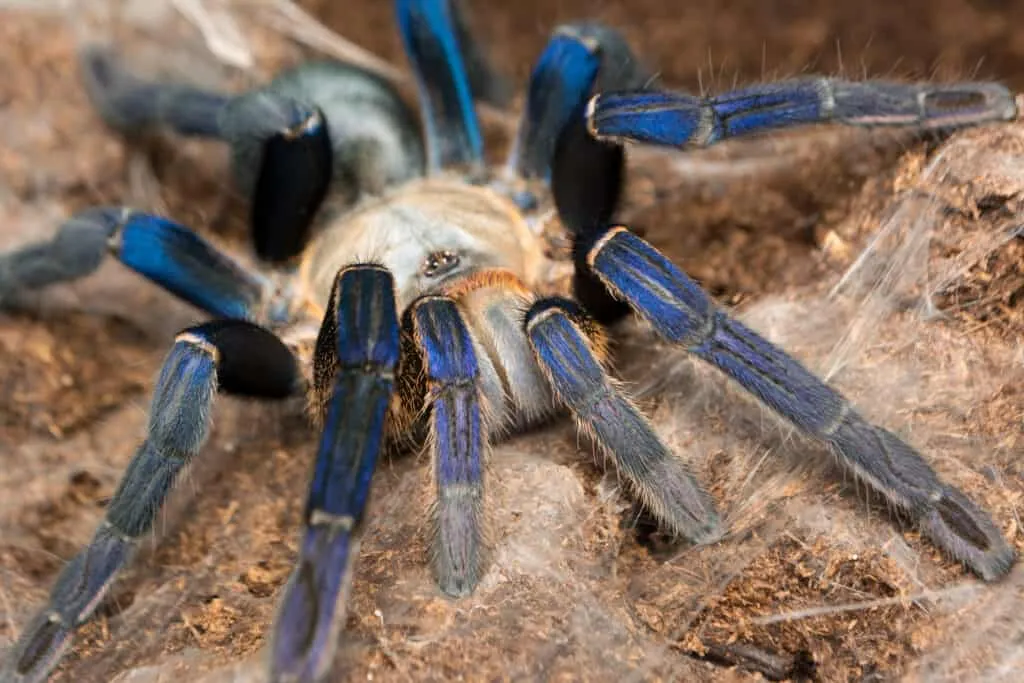
What Is a Tarantula’s Natural Habitat
Tarantulas, with their impressive size and often intimidating appearance, are fascinating creatures whose habitat plays a crucial role in their survival. Understanding where tarantulas live and the environmental conditions they thrive in is key to appreciating these arachnids. Their natural habitats are as diverse as the tarantula species themselves, ranging from lush, humid rainforests to arid deserts and even grasslands. These environments provide the necessary conditions for their survival, including suitable temperatures, humidity levels, and access to prey. Knowing where a tarantula lives helps us understand its behavior, its physiological adaptations, and the threats it faces in the wild. Furthermore, this knowledge is essential for anyone interested in keeping a tarantula as a pet, as replicating their natural environment is vital for their health and well-being. Therefore, delving into the diverse habitats of tarantulas provides valuable insights into their ecological roles and the importance of conservation efforts.
Tropical Rainforests
Tropical rainforests are home to a significant number of tarantula species. These environments are characterized by high humidity, consistent temperatures, and dense vegetation. The humid conditions are crucial for tarantulas, as they help to prevent dehydration. The dense foliage provides ample cover, allowing tarantulas to ambush prey and avoid predators. The forest floor, rich in organic matter, offers ideal conditions for burrowing, which many tarantula species utilize to create safe havens. These burrows provide protection from extreme temperatures and predators, serving as a secure place for molting and raising young. The abundance of insects and small animals in rainforests provides a readily available food source for tarantulas. Overall, the stable and humid environment of the rainforests makes them a suitable habitat for a variety of tarantula species, allowing these creatures to thrive in a complex and vibrant ecosystem. The interplay between the tarantulas and their surroundings showcases a delicate balance of adaptation and survival.
Deserts and Arid Regions

Deserts and arid regions, despite their harsh conditions, are also home to several species of tarantulas. These environments present unique challenges for tarantulas, including extreme temperature fluctuations and low humidity. To survive in these conditions, desert tarantulas have developed specific adaptations. Many species are nocturnal, emerging from their burrows at night when temperatures are cooler. They create deep burrows in the sand or soil to escape the scorching daytime heat and to maintain a more stable microclimate. These burrows can extend several feet underground, providing insulation against the extreme temperatures. They also have specialized body structures that help them conserve water. Desert tarantulas often feed on insects that are also adapted to the arid environment. The availability of prey, along with the ability to regulate body temperature and conserve water, is crucial for their survival. The resilience of tarantulas in such unforgiving environments is a testament to their remarkable adaptability and the diversity of their survival strategies.
Grasslands and Savannahs
Grasslands and savannahs provide another habitat for tarantulas, with varying climates and vegetation. These regions typically have seasonal changes, including periods of rainfall and drought. The environment’s open nature allows for some species to hunt more actively, while others take refuge in underground burrows or natural shelters. Grasslands usually have a moderate climate with a fair amount of humidity, while savannahs, particularly those in Africa, can be warmer and have distinct wet and dry seasons. The specific climate dictates the tarantula’s activity level and how it manages its resources, mainly food and water. Tarantulas found in these areas are often well-adapted to these fluctuations, showing specific behaviors to protect themselves from predators and the elements. These habitats support a range of prey, which dictates the tarantulas’ diet and ensures their survival in the vast landscapes. The survival and adaptation of these species demonstrates the tarantulas’ ability to thrive in a wide variety of settings and ecosystems.
Burrows and Shelters
Burrows and shelters are vital components of a tarantula’s habitat. These structures provide protection from predators, extreme temperatures, and dehydration. The design and location of a burrow vary depending on the species and the environment. Some tarantulas dig their burrows, while others utilize existing natural shelters, such as crevices in rocks or beneath logs. Burrows can range from simple, shallow dens to complex tunnel systems that extend several feet underground. The construction of a burrow is a significant behavioral adaptation, offering a stable microclimate where temperature and humidity are regulated, assisting in thermoregulation. These spaces also provide a secure place for molting, a vulnerable period for tarantulas when their exoskeleton is shed. Additionally, burrows serve as a refuge from harsh weather conditions and a strategic location for ambushing prey. The ability to create or find a suitable shelter is fundamental to a tarantula’s survival, ensuring its safety and providing a stable base for its life cycle.
Factors Influencing Habitat

Several factors influence a tarantula’s habitat selection. These include temperature, humidity, availability of prey, and the presence of suitable shelter. Temperature is crucial, as tarantulas are ectothermic, meaning they rely on their environment to regulate their body temperature. They thrive in warm environments but must avoid extreme heat. Humidity is equally important, preventing dehydration and supporting molting. The availability of prey dictates where tarantulas can find food, thus affecting their distribution. The presence of shelter, such as burrows, rock crevices, or dense vegetation, is essential for protection from predators and weather conditions. Soil composition also plays a part. Different soil types are suited for burrowing. The combination of these factors determines the suitability of an environment for a specific tarantula species. Understanding these factors helps in conservation efforts by identifying key habitat requirements.
Temperature Requirements for Tarantulas
Tarantulas have specific temperature requirements for optimal health and well-being. Generally, most species thrive in temperatures ranging from 70 to 85 degrees Fahrenheit (21 to 29 degrees Celsius). However, the exact temperature range can vary depending on the species and their native habitat. It is crucial to maintain a stable temperature within the recommended range. High temperatures can lead to dehydration and stress, while low temperatures can slow their metabolism and decrease their activity levels. Temperature fluctuations should be minimized. When keeping tarantulas as pets, it’s essential to use a reliable heat source. Proper ventilation helps to regulate temperature and prevent the buildup of excessive humidity. Monitoring the temperature with a thermometer is also critical to ensure the environment stays within the safe range. Maintaining the correct temperature helps ensure a long and healthy life for your tarantula.
Humidity and Moisture Needs
Humidity and moisture levels are also critical to a tarantula’s survival. They require appropriate humidity to prevent dehydration and to facilitate molting. The ideal humidity range depends on the species, but most tropical species prefer humidity levels between 60% and 80%. Desert species require lower humidity, around 40% to 60%. Maintaining the correct humidity can be achieved using a variety of methods, including misting the enclosure with water, providing a water dish, and using substrates that retain moisture, such as coco fiber or peat moss. Regular monitoring with a hygrometer helps to ensure the humidity remains within the recommended range. Too much humidity can lead to mold growth and bacterial infections, while too little can cause the tarantula to have difficulty molting and lead to dehydration. Careful management of humidity and moisture is essential to creating a healthy environment for tarantulas, ensuring their well-being and longevity.
Impact of Cold on Tarantulas

Exposure to cold temperatures can have a significant impact on tarantulas. These arachnids are ectothermic, meaning they depend on external sources to regulate their body temperature. When exposed to cold, their metabolism slows down. This can lead to a decrease in activity, reduced appetite, and lethargy. Prolonged exposure to cold temperatures can be fatal. The cold can cause the tarantula to become sluggish, making it more vulnerable to predators. Furthermore, cold environments can affect the tarantula’s ability to molt properly, which is crucial for growth. In their natural habitats, tarantulas have developed strategies to cope with cold periods, such as burrowing deep underground or seeking shelter. In captivity, it is essential to maintain a warm environment. This can be achieved by providing a heat source. Avoiding cold drafts and maintaining the correct temperature range is important to prevent health issues and to ensure the tarantula’s survival.
Impact of Heat on Tarantulas
High temperatures pose a threat to tarantulas, which are highly sensitive to their environment. Excessive heat can lead to dehydration, stress, and even death. Since tarantulas do not have efficient cooling mechanisms, they are vulnerable to overheating. High temperatures can cause them to become sluggish and less active, affecting their ability to hunt and feed. Prolonged exposure to extreme heat can damage their internal organs and disrupt their physiological processes. In their natural habitats, tarantulas often seek shelter in burrows. In captivity, providing shade and ensuring proper ventilation is crucial. Regularly monitoring the temperature within the enclosure and providing access to water are essential to prevent overheating. It is vital to maintain a stable and appropriate temperature range to ensure the tarantula’s health and longevity.
Adapting to the Environment
Tarantulas show remarkable adaptations to their environment, enabling them to thrive in a variety of habitats. These adaptations vary depending on the species and the specific challenges of their environment. In arid regions, they may have specialized body structures to conserve water and nocturnal behaviors to avoid the heat. Those in rainforests may possess adaptations for climbing or burrowing, while grassland species might have colorations that provide camouflage. Many species have developed physical traits, such as specialized hairs or setae, to detect vibrations and to deter predators. Behavioral adaptations include ambush predation techniques, where tarantulas patiently wait for prey. Burrowing behavior is an example of adaptation, providing shelter from extreme temperatures and predators. The ability to adapt to specific conditions is fundamental to the survival of these creatures. By understanding these adaptations, we can appreciate the diversity and resilience of tarantulas. These adaptations are a testament to the evolutionary pressures that have shaped them over millions of years.
Burrowing and Shelter Building

Burrowing and shelter building are fundamental behaviors for tarantulas. These activities provide protection from predators, regulate temperature, and maintain humidity. The type of burrow or shelter varies based on the species and habitat. Some species are adept diggers, constructing elaborate tunnel systems underground. Others utilize existing natural shelters, such as crevices in rocks or spaces beneath logs. Burrowing involves complex behaviors, including the use of their chelicerae (fangs) and pedipalps (mouthparts) to dig and manipulate soil. The structure of the burrow often includes chambers for resting, molting, and sometimes even storing prey. Shelter building behaviors are especially critical in environments with extreme temperatures and fluctuating humidity. The burrows and shelters provide a stable microclimate, shielding the tarantulas from environmental stressors. Furthermore, these shelters serve as strategic locations from which to ambush prey. They provide a secure retreat during vulnerable periods, such as molting. The ability to create or find a suitable shelter is a key factor in a tarantula’s survival.
Molting and Climate Sensitivity
Molting is a vital process for tarantulas, involving the shedding of their exoskeleton to allow for growth. The process makes them particularly vulnerable to environmental conditions. Temperature, humidity, and substrate quality directly affect the success of molting. A stable and appropriate temperature range is necessary to stimulate molting. Sufficient humidity is crucial to prevent the exoskeleton from drying out during the process. A suitable substrate provides traction and support for the tarantula as it sheds its old skin. Extreme temperatures, low humidity, and unsuitable substrates can lead to molting complications, such as the tarantula becoming stuck in its old exoskeleton. Understanding the environmental needs during molting is essential for captive care. Providing the appropriate conditions ensures a successful molt. Successful molting ensures the growth and health of the tarantula. The ability to molt effectively is vital for their survival.
Conclusion: Finding the Right Balance
Understanding a tarantula’s habitat is essential to appreciate these arachnids. Their habitats range from tropical rainforests and arid deserts to grasslands. They are highly dependent on their environment. Key factors such as temperature, humidity, and shelter availability influence where tarantulas live and thrive. Temperature requirements vary, with most species favoring warm environments but avoiding extreme heat or cold. Humidity is critical for preventing dehydration and supporting molting. Adaptations such as burrowing, nocturnal behavior, and specialized body structures enable tarantulas to thrive in diverse environments. Whether in their natural habitat or captivity, maintaining a balanced environment is vital for their health. Finding the right balance of temperature, humidity, and shelter is essential to ensure their well-being and to appreciate the remarkable resilience of these creatures. The understanding of the tarantula’s needs provides insight into their lives and promotes responsible pet care and conservation efforts.