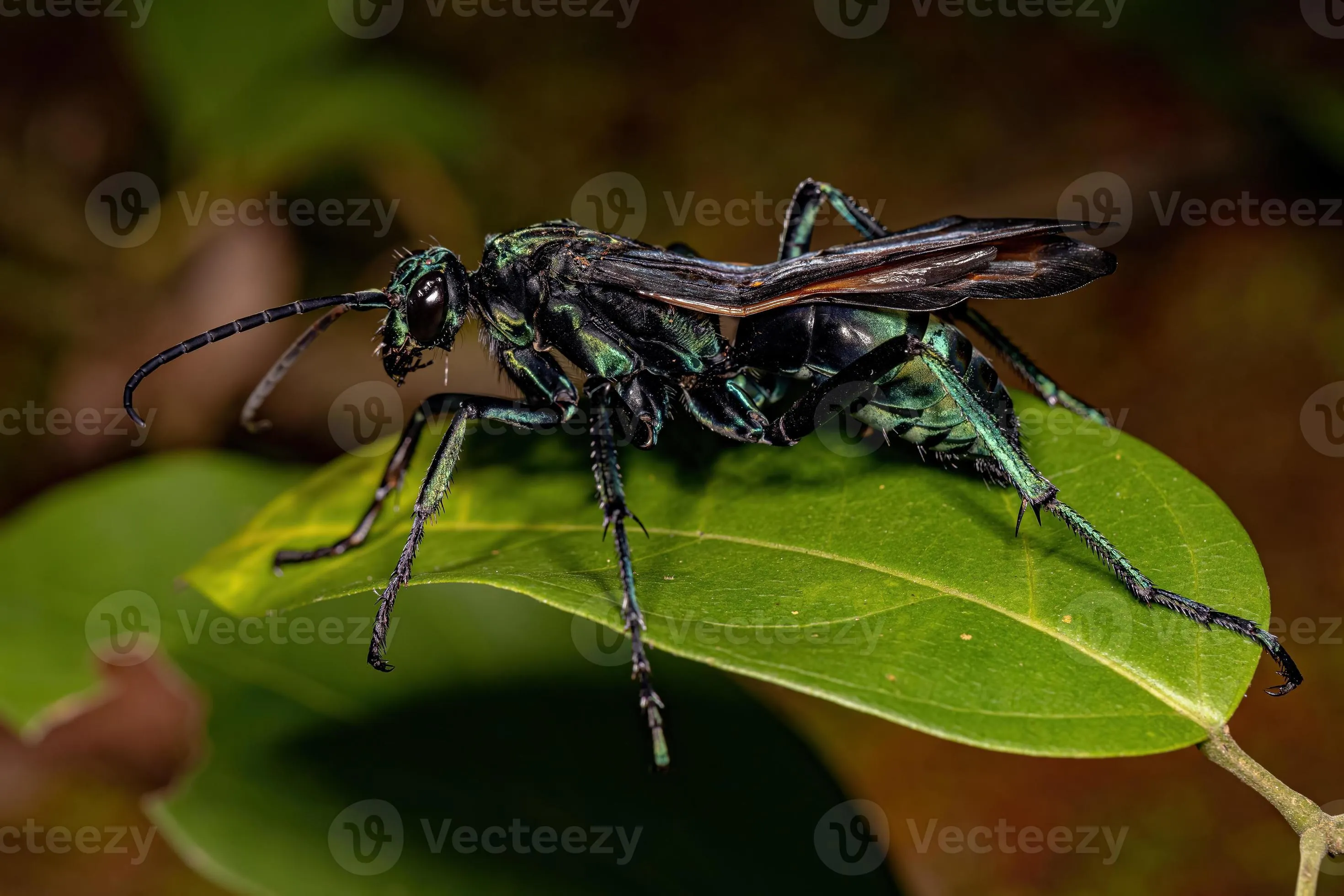
What is a Tarantula Hawk Wasp?
The tarantula hawk wasp (Pepsis grossa) is a large, solitary wasp known for its extremely painful sting, ranked as one of the most painful insect stings in the world. Native to the Americas, particularly the southwestern United States, it’s a fascinating creature with a dramatic lifecycle. This wasp is a true predator, specifically targeting tarantulas, which serve as a host for its larvae. The tarantula hawk wasp is not just another insect; it’s a vital part of its ecosystem, playing a role in regulating tarantula populations. Its striking appearance and unique behavior make it a subject of both fascination and caution for entomologists and nature enthusiasts alike. Understanding this wasp requires a look into its physical characteristics, its hunting methods, and the role it plays in the environment.
Appearance and Identification
Identifying a tarantula hawk wasp is relatively straightforward due to its distinctive appearance. They are typically 2 to 4 inches long, making them among the largest wasps in the world. Their bodies exhibit a striking combination of colors; most commonly, they have a black or dark blue body with vibrant, rust-colored wings. The contrasting colors serve as a warning to potential predators and a clear indication of their potent sting. They possess strong, long legs that are adapted for grappling with tarantulas. The antennae are long and slender, used for sensory information, and their large mandibles allow them to manipulate prey. When observed, the combination of size, color, and the characteristic body structure provides an unmistakable identification of the tarantula hawk wasp.
Size and Features

The imposing size of the tarantula hawk wasp is one of its most notable features. As mentioned, they range from 2 to 4 inches in length, making them significantly larger than many other wasp species. This size contributes to their formidable presence and is essential for their hunting strategy. Beyond size, the wasp’s physical features are highly specialized for its predatory lifestyle. The long legs are crucial for maneuvering and holding onto tarantulas during combat. Their body structure is robust and designed to withstand the struggles of their prey. The strong mandibles are used to manipulate and drag tarantulas, ensuring they can successfully transport them. These features are meticulously adapted, giving the wasp the strength and agility required to dominate its prey.
Where They Live
Tarantula hawk wasps primarily inhabit arid and semi-arid regions of the Americas. In the United States, they are commonly found in the southwestern states, including Arizona, New Mexico, and Texas. Their preferred habitats are areas with abundant tarantula populations and suitable nesting sites. These environments often include deserts, scrublands, and open woodlands. The wasps require sunny, warm conditions and access to flowering plants for nectar. They build their nests in the ground, often utilizing pre-existing burrows or creating their own. The specific geographic distribution aligns with the presence of their primary prey, the tarantula, ensuring a consistent food source for their larvae. Identifying their habitat is a key step in understanding their life cycle and behavior.
Behavior and Lifecycle
The lifecycle of the tarantula hawk wasp is a dramatic showcase of predator-prey interactions. Adult females hunt tarantulas, paralyzing them with their sting. They then drag the immobilized tarantula back to a burrow, where a single egg is laid on the spider’s abdomen. The wasp larva hatches and feeds on the paralyzed tarantula, consuming it alive. The larva then pupates, developing into an adult wasp within the tarantula’s burrow. This cycle takes several weeks, and the adult wasp emerges to begin the process anew. Adult wasps feed on nectar, which provides them with the energy needed to hunt and reproduce. The entire lifecycle is an impressive feat of survival and adaptation.
Hunting Strategies

The hunting strategies of the tarantula hawk wasp are remarkable, showcasing their predatory prowess. Female wasps actively search for tarantulas, often on the ground or in their burrows. Once a tarantula is located, the wasp engages in a dangerous but calculated attack. The wasp uses its sting to paralyze the tarantula, a feat that requires both precision and bravery. The sting delivers a potent venom directly into the tarantula’s nervous system, rendering it immobile. The wasp then drags the paralyzed spider, which can weigh several times the wasp’s weight, back to its nest. The success of this hunting strategy is central to the survival of the wasp and highlights its remarkable adaptations.
The Tarantula Connection
The tarantula hawk wasp’s relationship with the tarantula is a classic example of predator-prey dynamics. The wasp’s lifecycle is entirely dependent on the tarantula, using the spider as a living incubator for its larvae. The tarantula, in turn, is at the mercy of the wasp’s hunting prowess and potent sting. This connection underscores the importance of tarantulas in the wasp’s survival and their impact on each other’s populations. The tarantula becomes a vital resource for the wasp, offering a secure location and food source for its developing offspring. The interplay highlights a delicate balance in the ecosystem, with the wasp playing a role in regulating the tarantula population. It’s a fascinating aspect of natural selection.
What Do They Eat
Adult tarantula hawk wasps primarily feed on nectar from flowers. Nectar provides the essential energy they need to sustain their activities, including hunting and reproduction. They are not carnivorous in their adult stage. The larvae, however, have a very different diet. The larvae feed exclusively on the paralyzed tarantula, which serves as their sole source of food. This diet ensures the larvae receive the necessary nutrients to develop into adult wasps. The dietary difference between the adult and larval stages highlights the specialized feeding habits of these insects, with the adult focusing on energy-rich nectar and the larvae consuming the tarantula.
The Infamous Sting

The tarantula hawk wasp is renowned for its excruciatingly painful sting, often described as one of the most painful insect stings in the world. The sting is not primarily used for defense; instead, it serves to paralyze tarantulas for the wasp to use as a host for its larvae. The venom itself is a neurotoxin that rapidly immobilizes the spider. The pain from the sting is described as intense and immediate, often lasting for several minutes. While the sting is incredibly painful, it is rarely fatal to humans. It is, however, a potent reminder of the power of this remarkable insect and the risks of encountering it. It is important to understand the implications of the sting to avoid unnecessary interactions with the wasp.
The Pain Index
The Schmidt sting pain index is a scale that rates the relative pain caused by different insect stings. The tarantula hawk wasp sting ranks among the highest on this scale, often scoring a 4, the highest level. This index provides a way to compare the intensity of different stings, and it highlights the exceptional pain associated with the tarantula hawk wasp. The pain is often described as debilitating, making the experience unforgettable. Those who have been stung often describe it as comparable to being electrocuted. The pain, while severe, does not usually cause lasting harm. The ranking emphasizes the tarantula hawk wasp’s position as one of the most formidable stingers in the insect world.
How to Avoid Being Stung
Avoiding the tarantula hawk wasp’s sting is crucial for anyone in its habitat. The most effective way to avoid being stung is to respect their space and observe them from a distance. They are generally not aggressive unless provoked or threatened. Never attempt to handle or approach a tarantula hawk wasp. When in areas where they are known to be present, wear protective clothing, such as long sleeves and pants, especially during peak activity times. If you encounter a tarantula hawk wasp, remain calm and slowly move away from the area. Understanding their behavior and being mindful of their presence are critical steps in ensuring a safe experience in their environment.
Conservation and Status

The conservation status of the tarantula hawk wasp is generally considered stable, though they may face localized threats. Their populations are relatively widespread within their native habitats. The primary threats to their survival include habitat loss, pesticide use, and climate change. However, they are resilient insects, and their adaptability contributes to their ability to survive. Conservation efforts focus on preserving their habitats, reducing the use of pesticides, and raising public awareness about their importance. Monitoring populations and assessing their response to environmental changes are vital. Overall, while the tarantula hawk wasp is not currently classified as endangered, ongoing vigilance is essential.
Are They Endangered?
Currently, the tarantula hawk wasp is not classified as an endangered species. Their populations are relatively stable within their native habitats in the Americas. While they face threats from habitat loss, pesticide use, and climate change, they are resilient insects that demonstrate a capacity to adapt. They are not in immediate danger of extinction. However, ongoing monitoring of their population trends is essential to ensure their long-term survival. Localized conservation efforts and habitat preservation are contributing to their continued presence in their ecosystems. Being not endangered highlights the importance of continued efforts to monitor and protect them.
Benefits to the Ecosystem
The tarantula hawk wasp offers several benefits to its ecosystem. Primarily, they help to control tarantula populations, serving as a natural predator. By preying on tarantulas, they contribute to the balance of the ecosystem, which impacts other species. The wasps also play a role in pollination, as they feed on nectar from various flowering plants. This indirectly supports the growth of plant populations. The presence of tarantula hawk wasps indicates a healthy, functioning ecosystem. They support biodiversity by interacting with numerous other species. Their ecological role underscores their value in maintaining the balance of their habitat. They offer a good example of how predation benefits ecosystem health.
Top 5 Facts About the Tarantula Hawk Wasp

- They have one of the most painful stings in the world.
- They hunt tarantulas, using them as hosts for their larvae.
- They are large wasps, with vibrant coloring.
- They are solitary insects, not living in colonies.
- They play a role in controlling tarantula populations.