Tarantula Hawks in California: Top 5 Facts
California’s diverse ecosystems are home to some of the most fascinating creatures, including the formidable tarantula hawk. These impressive wasps, known for their striking appearance and painful stings, play a vital role in the state’s ecological balance. This article delves into the top 5 facts about tarantula hawks in California, providing insights into their behavior, habitat, and significance. From their unique life cycle to their interaction with humans, we’ll explore everything you need to know about these remarkable insects, ensuring you are well-informed and prepared when encountering them in the Golden State. Get ready to discover the wonders and facts of the tarantula hawk!
Fact 1 What are Tarantula Hawks?
Tarantula hawks (Pompilidae) are a group of spider wasps that are renowned for their hunting behavior. They are among the largest wasps in the world, characterized by their striking colors, often a combination of black and orange or blue. These wasps are solitary creatures, meaning they do not live in colonies like bees or yellow jackets. Instead, each female tarantula hawk independently hunts and cares for her offspring. Their diet mainly consists of nectar from flowers, which is a key energy source. The tarantula hawk is well-adapted to its environment. The unique and critical role that tarantula hawks play within the ecosystem is worth observing, appreciating, and understanding.
Appearance and Identification

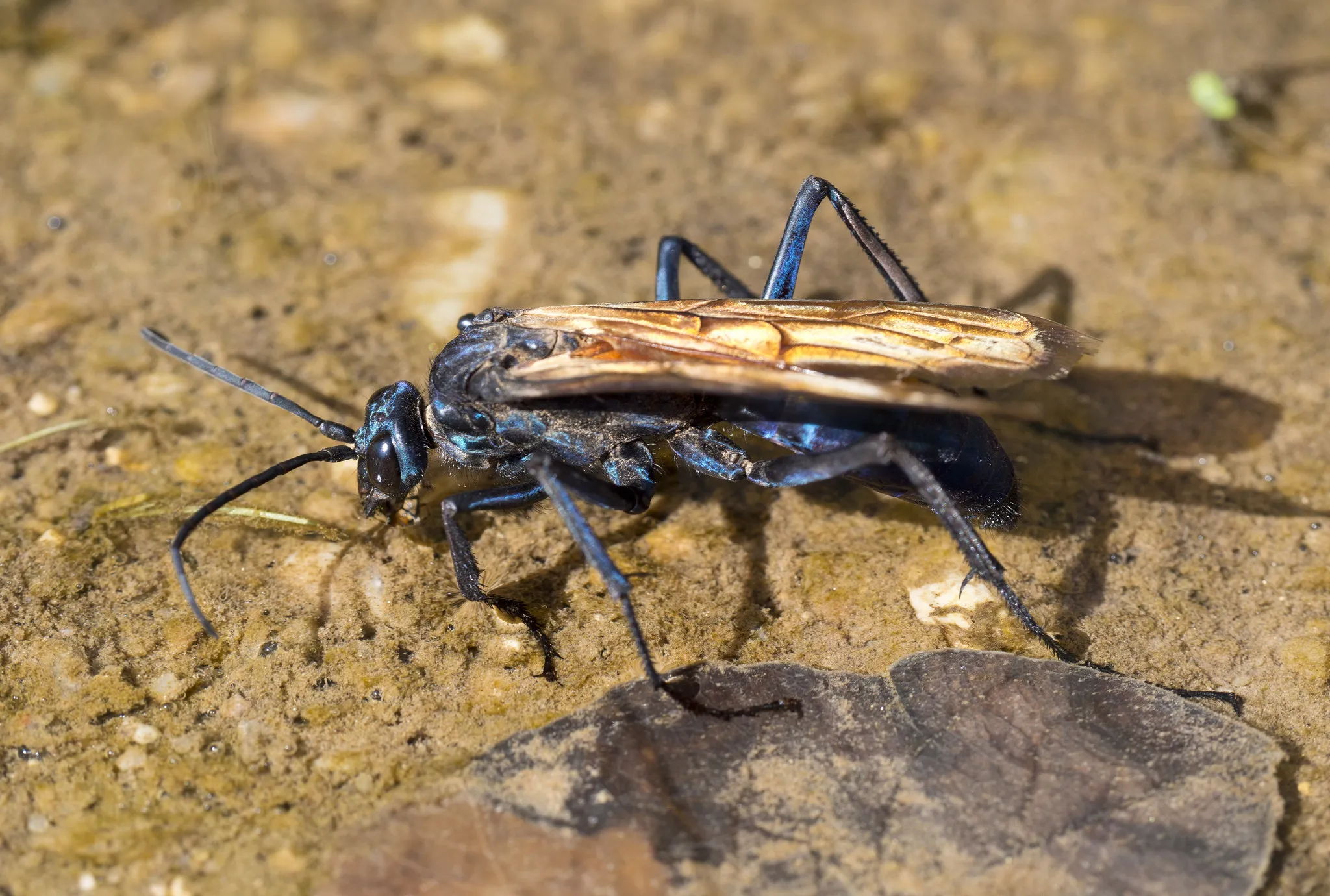
Identifying a tarantula hawk in California is relatively straightforward due to their distinctive appearance. They typically have a dark blue or black body with orange wings, although some may have a reddish-orange hue. These wasps are quite large, with a body length that can reach up to 2 inches. When you spot a wasp with this combination of colors and size, you’re likely looking at a tarantula hawk. Careful observation of its behavior, such as its deliberate flight and search for tarantulas, can further confirm its identity. Pay attention to the long legs and antennae, and the overall robust build that distinguishes them from other wasp species. The key is to remember the striking contrast between the dark body and vibrant wings.
Fact 2 Where Do They Live in California?
Tarantula hawks are found throughout California, inhabiting diverse regions from the arid deserts to the more humid coastal areas. The specific distribution of these wasps is influenced by the presence of their primary prey—tarantulas. Consequently, tarantula hawks are most commonly seen in areas where tarantulas are abundant, such as the southern regions and the foothills of the Sierra Nevada. Understanding their habitat preferences is key to spotting these wasps. During warmer months, they are particularly active, so visiting during this time increases your chances of seeing them. Their presence is a sign of a healthy ecosystem, and their hunting behavior makes them a fascinating species to observe in their natural environment.
Preferred Habitats
Tarantula hawks thrive in warm, dry habitats that provide suitable conditions for tarantulas to flourish. They are frequently found in open areas with sandy or loamy soils where tarantulas can build their burrows. Habitats such as grasslands, deserts, and scrublands are ideal environments for these wasps. The availability of nectar-producing flowers is another critical factor, as adult tarantula hawks feed on nectar. They are also found in areas with sparse vegetation, which allows them to easily spot their prey. If you’re exploring California’s natural landscapes, keep an eye out for these wasps in areas that meet these habitat criteria, especially during the late summer and early fall when they are most active.
Fact 3 The Tarantula Hawk’s Life Cycle

The life cycle of a tarantula hawk is a fascinating example of nature’s precision. The female wasp begins by searching for a tarantula. Once she finds one, she paralyzes it with a sting, carefully dragging the spider to a burrow or other sheltered location. She then lays a single egg on the tarantula’s abdomen. When the egg hatches, the larva consumes the still-living spider, slowly feeding and growing until it pupates. The larva goes through several stages of development inside the tarantula. The pupa stage occurs within a cocoon spun inside the tarantula’s burrow. After a few weeks, the adult tarantula hawk emerges, ready to begin the cycle again. This process, from egg to adult, can take several months.
Mating and Nesting Behavior
Mating and nesting behaviors are crucial aspects of the tarantula hawk’s life cycle. Males often patrol territories, searching for females. Mating typically occurs after a male finds a receptive female. Once mated, the female begins the search for a tarantula to serve as a host for her offspring. The female tarantula hawk carefully excavates or utilizes an existing burrow, dragging the paralyzed tarantula inside. She then lays a single egg on the spider’s abdomen, sealing the burrow to protect the developing larva. This precise sequence of actions is essential for the survival of the species, showcasing the intricacy of their instincts and behaviors. The nesting process is a testament to the wasp’s dedication to her offspring.
The Sting and Its Purpose
The tarantula hawk’s sting is renowned for its intensity, often described as one of the most painful stings in the insect world. However, the primary purpose of the sting is not for defense against humans, but to paralyze tarantulas. The venom quickly immobilizes the spider, allowing the wasp to safely transport it to a burrow. The venom itself is a complex cocktail of toxins designed to affect the spider’s nervous system. While the sting is incredibly painful, it is not usually life-threatening to humans, although the pain can be excruciating and last for several minutes. The wasp’s sting is a necessary tool for the tarantula hawk’s survival and reproduction, highlighting the delicate balance within their ecosystem.
Fact 4 What Do They Eat?

The diet of the tarantula hawk consists mainly of nectar from flowers, which provides the necessary energy for their activities. They are also known to consume the hemolymph (insect blood) of their host tarantulas, especially during the larval stage. The adult wasps often visit various flowering plants, using their long tongues to extract nectar. This feeding behavior is essential for their survival, providing the energy they need to hunt and reproduce. In addition to nectar, they may also consume other sources of sugars in the environment. The diet supports their ability to fly and hunt, ensuring the continuation of their lifecycle. Understanding their feeding habits provides key information in comprehending the overall role of these wasps within the ecological system.
Diet and Prey Selection
The diet of a tarantula hawk larva consists almost entirely of the tarantula it is parasitizing. The larva feeds on the still-living spider, gradually consuming it from the inside out. Adult tarantula hawks have a different diet, mainly consisting of nectar. They have a specific preference for certain types of flowers, which they visit to gather the necessary energy. The choice of prey is critical for the female tarantula hawk, as she must find a tarantula that is suitable for her larva to develop on. The selection of the tarantula depends on factors such as size and the availability of a burrow or suitable nesting location. This specialized diet and prey selection emphasize the unique ecological niche that tarantula hawks occupy within their environment.
Fact 5 Are They Dangerous to Humans?
Tarantula hawks are not inherently aggressive toward humans, but their sting is notoriously painful. They will only sting if they feel threatened or are accidentally handled. The sting is intense, but the venom is not deadly. The pain can be excruciating, described as a searing sensation that can last for several minutes. While the sting is painful, it typically causes no lasting harm. Most people recover fully within an hour. Knowing how to avoid being stung and understanding their behavior can help minimize the chances of an encounter. If stung, it’s important to remain calm, and seek medical attention if experiencing severe symptoms. The respect for these wasps, along with knowledge about their behavior, contributes to a safer and more enjoyable experience in their habitat.
Preventing Stings

Preventing stings from tarantula hawks involves simple precautions and awareness of their behavior. Avoid approaching or disturbing these wasps in their natural habitat. Refrain from swatting at them, as this can trigger a defensive sting. When hiking or working outdoors in areas where tarantula hawks are present, wear long sleeves and pants to reduce the risk of stings. Avoid wearing brightly colored clothing, which may attract the wasps. If you encounter a tarantula hawk, remain calm and slowly back away. Do not attempt to handle or touch them. By taking these preventative measures, you can minimize the chances of being stung and enjoy observing these amazing insects in their environment. If you are allergic to insect stings, it’s particularly important to take extra precautions and carry appropriate medication.
In conclusion, tarantula hawks in California are remarkable creatures. Their unique life cycle, striking appearance, and important role in the ecosystem make them fascinating subjects of study. While their sting is infamous, understanding their behavior and habitat can help humans coexist safely with these wasps. By appreciating these facts, we gain a deeper understanding of the state’s diverse wildlife and the importance of respecting the natural world. Next time you’re in California’s natural areas, keep an eye out for these magnificent insects, and remember the top 5 facts that make them truly special.