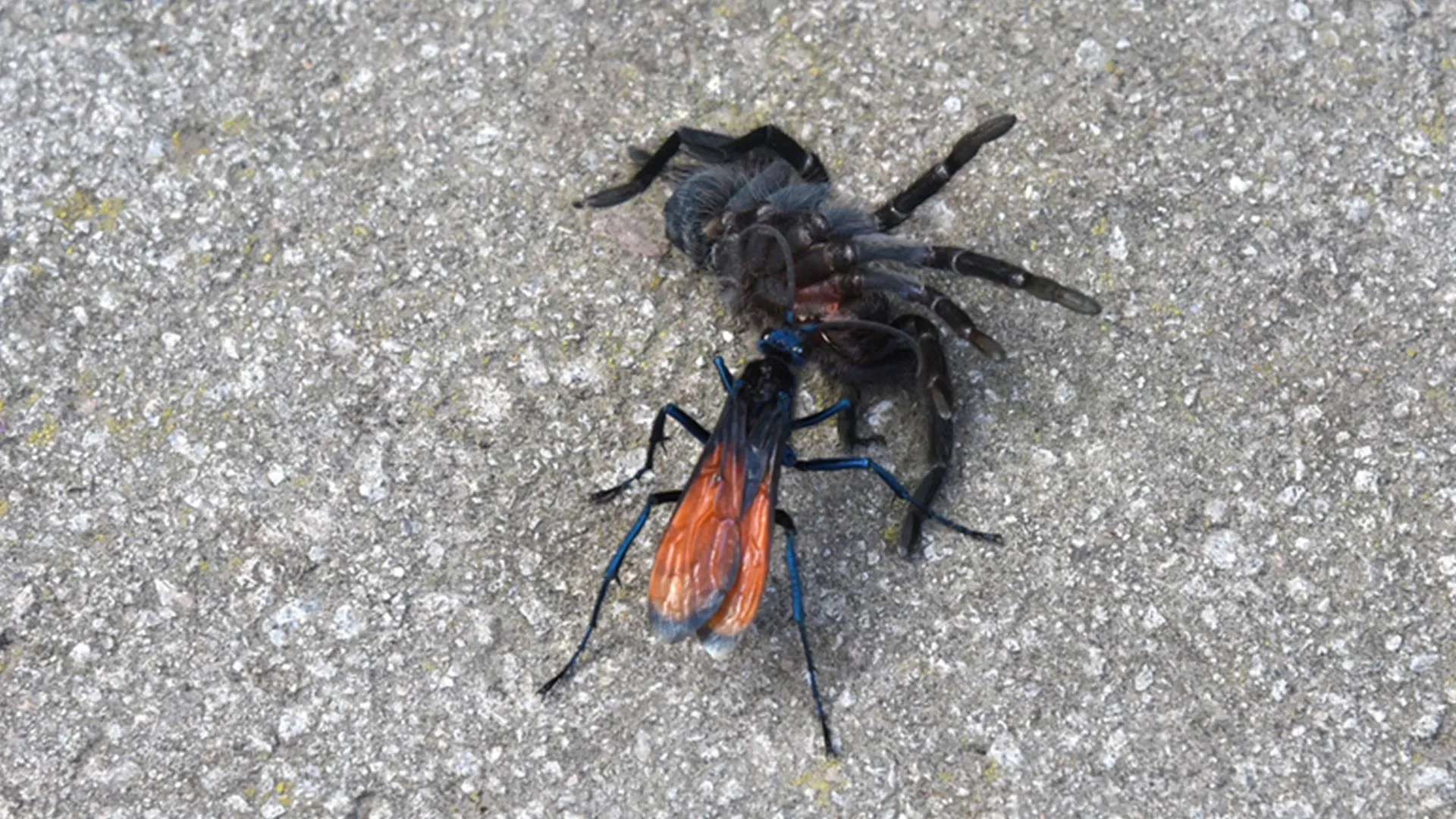
What are Tarantula Hawks
Tarantula hawks are large, solitary wasps known for their intimidating size and painful stings. These insects are formidable hunters, with a specific diet consisting of tarantulas. Found primarily in the southwestern United States and parts of South America, they are easily recognizable by their vibrant coloration—typically a striking blue-black body with orange wings. Despite their beauty, their potent sting makes them a significant concern for both humans and animals, especially dogs. Understanding what they are is the first step in protecting your canine companion from potential harm. The size of the tarantula hawk can be quite large, often reaching up to two inches in length, adding to their intimidating presence in the wild.
The Appearance and Habitat of Tarantula Hawks
Tarantula hawks are easily identifiable due to their striking appearance. They have a shiny black or blue-black body and rusty orange wings. Females are larger than males, with a body length that can reach up to two inches. These wasps are most active during the day, especially in the warmer months. Their preferred habitat includes arid and semi-arid environments, such as deserts, grasslands, and scrublands. They construct their nests in burrows or pre-existing cavities in the ground. Knowing where these wasps live helps dog owners be more vigilant about potential encounters. These wasps are part of the Pompilidae family and are known for their powerful stings and unique hunting behavior.
Understanding the Tarantula Hawk’s Sting

The sting of a tarantula hawk is notoriously painful, often described as one of the most painful insect stings in the world. The primary function of the sting is to paralyze the tarantula, which then serves as a host for the wasp’s larvae. The venom itself is complex, containing various compounds that cause intense pain and localized tissue damage. When a dog is stung, the venom affects the nervous system, leading to immediate and often severe reactions. The intensity of the pain is a significant factor in how a dog reacts, frequently resulting in distress and attempts to alleviate the discomfort. The duration of the pain and the overall impact of the sting vary depending on the amount of venom injected and the dog’s size and sensitivity.
Severity of a Tarantula Hawk Sting
The severity of a tarantula hawk sting in dogs can vary. While not always fatal, the stings can cause significant discomfort and potential health complications. Factors influencing severity include the dog’s size, the location of the sting, and any pre-existing health conditions. Smaller dogs and those with underlying allergies may experience more severe reactions. Stings on sensitive areas, such as the face or mouth, can be particularly dangerous due to the potential for swelling that can obstruct breathing. In some cases, multiple stings can occur if a dog disturbs a nest, leading to a higher dose of venom and more severe symptoms. It’s crucial to monitor a dog closely after a sting to identify and address any complications promptly. (Image: tarantula-hawk-sting-dog)
The Venom and Its Effects
The venom of the tarantula hawk contains a complex mix of compounds that cause both immediate and delayed effects. The immediate effects include intense pain, which can cause the dog to yelp, whine, or attempt to scratch or bite the affected area. The venom disrupts nerve signals, leading to this excruciating sensation. Delayed effects can include localized swelling, inflammation, and, in some cases, allergic reactions. The venom can also cause systemic effects, such as weakness, lethargy, and, rarely, more severe reactions like anaphylaxis. The primary action of the venom is to paralyze its prey, but in dogs, it primarily causes pain and localized tissue damage. Understanding these effects is key to managing the dog’s symptoms and preventing complications. (Image: tarantula-hawk-insect)
Top 5 Dangers for Dogs

Tarantula hawk stings present several dangers for dogs, which require immediate attention. These dangers can range from minor discomfort to severe, life-threatening conditions. Recognizing these dangers is crucial for prompt action and effective management. Prompt response significantly improves a dog’s chances of a full recovery and reduces the risk of long-term complications. The following points are some of the most common issues.
Pain and Distress
The most immediate danger is the intense pain caused by the sting. Dogs can experience significant distress, including excessive vocalization, restlessness, and attempts to lick or bite the affected area. This pain can be so severe that it leads to behavioral changes, making the dog anxious and potentially aggressive. Managing the pain is critical for the dog’s well-being and preventing further injury. The pain can also lead to secondary issues, such as loss of appetite and reluctance to move, which can further complicate the dog’s recovery. (Image: tarantula-hawk-dog-encounter)
Allergic Reactions
Some dogs may develop allergic reactions to the venom. These reactions can range from mild skin irritations to severe anaphylaxis. Signs of an allergic reaction include swelling, hives, difficulty breathing, and vomiting. Anaphylaxis is a life-threatening condition that requires immediate veterinary care. Even if a dog has a mild reaction initially, subsequent stings can trigger a more severe response. Recognizing the signs of an allergic reaction and acting quickly can be crucial to saving the dog’s life. (Image: dog-allergy-symptoms)
Localized Swelling and Inflammation

Swelling and inflammation are common responses to a tarantula hawk sting. The affected area, often the face, muzzle, or paw, may swell rapidly. This swelling can cause discomfort, restrict movement, and, if severe, can obstruct airways. Inflammation can also lead to secondary issues, such as infection, if the dog scratches at the wound. Proper care and observation are essential to prevent and manage these complications. Monitoring the swelling and providing appropriate treatment can significantly improve the dog’s comfort and recovery time. (Image: dog-paw-swelling)
Secondary Infections
The sting site is vulnerable to secondary infections. Dogs may scratch the area, introducing bacteria and leading to infections. Signs of infection include redness, pus, and increased swelling. Infections can slow down healing and cause additional health problems. Keeping the area clean and preventing the dog from scratching is essential. If an infection develops, veterinary treatment with antibiotics may be necessary to prevent the spread of the infection and ensure proper healing. Regular monitoring of the sting site is important. (Image: dog-licking-wound)
Behavioral Changes
The intense pain from the sting can cause temporary or lasting behavioral changes. Dogs may become anxious, fearful, or aggressive. They may also lose their appetite and withdraw from social interaction. Understanding these changes is important for both the dog’s well-being and your ability to provide appropriate care. Providing a calm and supportive environment is crucial during recovery. If behavioral changes persist, consulting with a veterinarian or a dog behaviorist can provide additional support and guidance. (Image: dog-owner-examining-dog)
Protecting Your Dog

Protecting your dog from tarantula hawk stings requires a combination of preventive measures, awareness, and preparedness. By taking proactive steps, you can significantly reduce the risk of your dog being stung and ensure that you are prepared to respond effectively if a sting does occur. Education and vigilance are key in creating a safe environment for your dog. Understanding the behavior of these wasps and being aware of their presence in your area are crucial for effective protection.
Prevention Tips
Preventing tarantula hawk stings involves several practical steps. Avoid walking your dog in areas known to have tarantula hawk activity, especially during peak activity times. Keep your dog on a leash in areas where these wasps might be present. Avoid disturbing potential nests or areas where they might be active. Regularly inspect your yard for any signs of tarantula hawk activity, such as burrows in the ground. Consider using insect repellent specifically designed for pets, but always consult with your veterinarian before using any new products. By adopting these prevention tips, you can reduce the likelihood of your dog being stung.
Identifying Tarantula Hawks in Your Area
Identifying tarantula hawks in your area is crucial for effective prevention. Learn to recognize the distinctive appearance of these wasps and understand their preferred habitats. Check with local pest control services or your local agricultural extension for information on tarantula hawk activity in your region. Be aware of peak activity times, typically during the warmer months. Regularly survey your yard for any signs of these wasps, such as burrows or active wasps. By staying informed and vigilant, you can be better prepared to protect your dog from potential stings. It is crucial to be able to identify them from other similar insects. (Image: tarantula-hawk-insect)
First Aid Measures

If your dog is stung, immediate action is essential. The first step is to remain calm and reassure your dog. Carefully remove the stinger if it is still present, scraping it away with a credit card or similar object rather than squeezing it. Apply a cold compress or ice pack to the sting site to reduce pain and swelling. Monitor your dog closely for signs of an allergic reaction, such as difficulty breathing, swelling, or hives. Contact your veterinarian immediately if you observe any severe symptoms. Providing first aid quickly can significantly improve your dog’s outcome and prevent complications. Knowing how to react can make a big difference in your dog’s recovery. (Image: tarantula-hawk-sting-dog)
When to Seek Veterinary Help
Knowing when to seek veterinary help is crucial for your dog’s health. Any dog that shows signs of a severe allergic reaction, such as difficulty breathing, swelling of the face or throat, or collapse, needs immediate veterinary attention. If the sting occurs in a sensitive area, such as the mouth or near the eyes, seek veterinary care promptly due to the potential for severe swelling. If you are unsure about the severity of the sting or if your dog’s condition worsens, it is always best to consult with your veterinarian. They can provide professional assessment and treatment, ensuring the best possible outcome for your dog.
Long-Term Effects and Recovery
The long-term effects and recovery from a tarantula hawk sting can vary depending on the severity of the reaction and the dog’s overall health. Most dogs recover fully with appropriate treatment and care. However, some dogs may experience lingering effects. Regular monitoring and follow-up care are important. Understanding what to expect during recovery helps you manage your dog’s health effectively. The duration of the recovery period can vary, but consistent care is key.
What to Expect During Recovery

During recovery, your dog may experience pain, swelling, and discomfort. Provide a comfortable and quiet environment to help your dog rest and heal. Follow your veterinarian’s instructions regarding medication, such as pain relievers and antihistamines. Keep the sting site clean and monitor it for signs of infection. Ensure your dog has access to fresh water and a nutritious diet to support the healing process. Offer gentle exercise as the dog tolerates it to prevent stiffness. By providing comprehensive care, you can support your dog’s recovery and ensure a comfortable experience. (Image: tarantula-hawk-dog-encounter)
Monitoring Your Dog’s Condition
Regular monitoring of your dog’s condition is essential during and after recovery. Watch for any signs of infection, such as increased redness, swelling, or pus. Monitor for any changes in behavior, such as lethargy, loss of appetite, or increased anxiety. Report any concerns to your veterinarian immediately. Keep a record of your dog’s progress, including any medications given and any changes in symptoms. Follow-up appointments with your veterinarian are often recommended to ensure a complete recovery. By staying vigilant, you can identify any potential complications and provide timely care.
Conclusion
Tarantula hawks pose a significant threat to dogs due to their painful stings and the potential for complications. Understanding the dangers, taking preventive measures, and knowing how to respond in the event of a sting are essential for protecting your canine companion. By being informed and prepared, you can minimize the risks and ensure your dog’s health and safety. Always consult with your veterinarian for guidance and treatment. A proactive approach is the best way to keep your dog safe from the dangers of tarantula hawk stings.