Tarantula Hiding 5 Amazing Secrets
Tarantulas, with their impressive size and often intimidating appearance, are fascinating creatures. While many people are familiar with their general characteristics, the reasons behind their secretive behaviors, especially their tendency to hide, remain a source of wonder. This article delves into 5 amazing secrets of tarantula hiding behavior, exploring why these arachnids seek concealment and the various factors that influence their need to stay out of sight. We will uncover the science behind their survival strategies and provide a comprehensive understanding of why tarantulas hide.
Why Tarantulas Hide
The primary reason tarantulas hide is intricately linked to survival. Their lives are a constant balance of evading predators, conserving energy, and successfully navigating their environment. Hiding serves multiple purposes, including protection from predators, regulation of body temperature, and a strategic advantage in hunting. Understanding these core motivations unveils the deeper mysteries of their behavior and adaptability, revealing how they thrive in diverse habitats. The practice of hiding is far from random; instead, it is a complex behavior that has evolved over millions of years, and it is essential for their survival.
Predator Avoidance

Predator avoidance is a fundamental driver of tarantula hiding behavior. These spiders are preyed upon by various animals, including birds, snakes, lizards, and other larger arachnids. Hiding provides a crucial defense mechanism, allowing them to evade potential threats. Tarantulas have developed various hiding strategies to mitigate the risk of predation. They often seek refuge in burrows, under rocks, or within dense vegetation, making it difficult for predators to locate them. This is one of the most critical aspects of their survival strategy.
Camouflage and Mimicry
Camouflage and mimicry are sophisticated methods tarantulas employ to avoid detection. Many tarantula species blend seamlessly with their surroundings, making them nearly invisible to both predators and prey. This camouflage is achieved through coloration and body patterns that mimic the environment, such as the color of soil or the texture of tree bark. Some species even mimic the appearance of other objects, such as leaves or twigs, further enhancing their ability to remain hidden. This level of adaptability is a remarkable example of evolution at work. The effectiveness of camouflage depends on the tarantula’s ability to choose the appropriate hiding spot and remain motionless, which helps them to blend in with their environment.
Environmental Factors
Environmental factors play a significant role in tarantula hiding behavior. Temperature, humidity, and the availability of resources can influence when and where tarantulas choose to hide. For example, during extreme heat or cold, tarantulas may seek refuge in burrows or under rocks to regulate their body temperature. Likewise, changes in humidity levels can prompt them to move to more suitable environments. The abundance of prey and the presence of potential threats also affect their behavior. By understanding these environmental influences, we gain a deeper appreciation for the adaptability and resilience of these fascinating creatures. These environmental elements are critical to the survival of tarantulas and determine their activity patterns.
The Role of Leg Protection

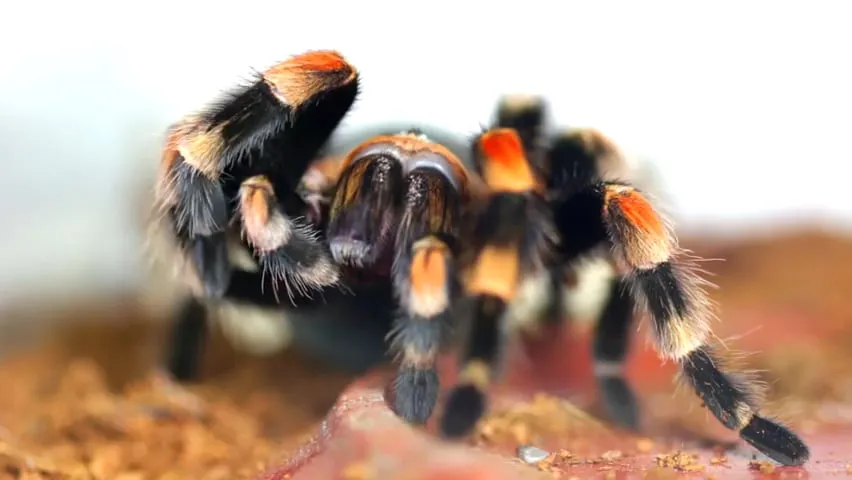
Tarantulas also hide their legs, especially when they feel threatened. Their legs are crucial for movement, capturing prey, and defense, making them a vulnerable part of their anatomy. When tarantulas perceive danger, they may position their legs to protect vital areas. The way they position their legs helps them defend themselves and increases their survival chances. Understanding this behavior provides insights into their instinctive defense mechanisms.
Defensive Posture
When threatened, tarantulas often assume a defensive posture that involves raising their front legs and fangs. This posture serves as a warning signal to potential predators, indicating that the spider is ready to defend itself. Hiding behavior is often combined with this defensive posture. They may retreat to their burrows or take cover under objects while maintaining this defensive stance, making it more difficult for predators to attack. This posture can also involve stridulation where the tarantula rubs parts of its body together to create a hissing sound, which is another form of defense.
Leg-Hiding as a Last Resort
Leg-hiding can also be employed as a last resort when a tarantula feels cornered or under imminent attack. By tucking their legs beneath their body, they make themselves appear smaller and more difficult to grasp. This tactic can provide a crucial moment of escape if the predator is momentarily confused or distracted. This strategy highlights the adaptability of these arachnids, using every available resource to protect themselves from danger. While it is a last resort, it can mean the difference between survival and being caught by a predator.
How Tarantulas Sense Danger

Tarantulas have highly developed sensory systems that enable them to detect threats in their environment. These sensors allow them to perceive danger and react quickly, enhancing their chances of survival. Their ability to sense danger is vital for their safety and ensures they can react appropriately to threats.
Vibrations and Movement
Tarantulas are highly sensitive to vibrations and movement in their surroundings. Specialized sensory hairs on their legs, called trichobothria, detect even the slightest disturbances in the air or on the ground. These vibrations can signal the presence of potential predators or prey. When a tarantula detects vibrations, it can quickly assess the threat level and respond accordingly, often by retreating to a safe hiding place. This sensitivity allows them to react swiftly to any changes in their environment, making it easier for them to avoid harm.
Chemical Signals and Pheromones
Tarantulas also rely on chemical signals and pheromones to detect danger. Pheromones are chemical signals released by other animals, including predators and other tarantulas, that can provide valuable information. For instance, the scent of a predator can trigger a rapid retreat. In addition, pheromones can indicate the presence of potential mates or rivals. The ability to interpret these chemical signals is critical for tarantulas, as it allows them to make informed decisions about their behavior and safety. This complex use of chemical signals showcases their advanced sensory capabilities.
The Hiding Spots and Their Significance

The choice of hiding spots is crucial for a tarantula’s survival and well-being. These spots provide protection from the elements, predators, and other environmental hazards. The specific type of hiding place can vary depending on the tarantula species and its habitat. The selection of the proper hiding place is essential for survival.
Burrows and Shelters
Many tarantula species create burrows or shelters to provide a secure retreat. These structures can range from simple holes in the ground to elaborate underground tunnels. Burrows offer protection from predators, extreme temperatures, and desiccation. The size and complexity of the burrow depend on the species and the surrounding environment. Creating and maintaining a burrow requires considerable effort, but the benefits in terms of safety and comfort make it worthwhile. These burrows are essentially the tarantula’s home, providing a safe and stable environment.
Leaf Litter and Debris
In environments where burrowing is not possible or practical, tarantulas often seek shelter in leaf litter, under rocks, or among other debris. These locations offer camouflage and protection from the elements. The ability to utilize natural materials for shelter demonstrates their adaptability and resourcefulness. Leaf litter provides a natural environment for them. The use of natural materials allows them to blend into their environment and hide from predators. Choosing the right hiding spot is a key survival skill.
Under Rocks and Logs
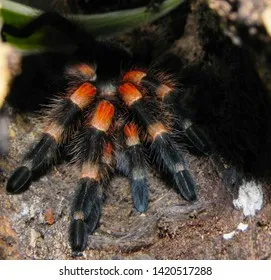
Rocks and logs provide another excellent hiding spot for tarantulas. These structures offer protection from predators and the sun. The underside of rocks and logs provides a cool, humid environment, which is essential for tarantulas to regulate their body temperature and prevent dehydration. Rocks and logs offer a stable environment and the ability to hide from predators. These natural shelters help keep tarantulas safe.
The Benefits of Hiding
Hiding provides several important benefits for tarantulas, contributing to their survival and overall well-being. These benefits are essential for their long-term health and allow them to thrive in their specific environments. These benefits ensure the species’ survival.
Energy Conservation
Hiding helps tarantulas conserve energy. By remaining hidden, they reduce their activity level, which in turn lowers their metabolic rate. Conserving energy is particularly important during periods of scarcity or when resources are limited. A lower metabolic rate also helps them survive through periods when food is scarce. This strategy allows them to survive in challenging environments.
Avoiding Predation

The primary benefit of hiding is avoiding predation. By remaining hidden, tarantulas significantly reduce their risk of being attacked by predators. This is especially crucial during vulnerable periods, such as molting or when they are actively hunting. The ability to avoid predators greatly increases their chances of survival and successful reproduction. This is a fundamental survival strategy.
Molting and Vulnerability
During the molting process, tarantulas shed their exoskeleton, leaving them soft and vulnerable. Hiding is critical during this time to protect them from predators and environmental hazards. The molting process can take several hours or even days, during which time they are defenseless. By hiding in their burrows or under rocks, they can safely complete this vital process. This defense mechanism is critical for survival.
Conclusion The Mystery of Hiding
The act of hiding is a fundamental aspect of tarantula behavior, driven by the constant need for survival. From avoiding predators and conserving energy to managing environmental factors, this behavior highlights the remarkable adaptability of these creatures. The various strategies employed, from camouflage to the use of burrows, show a complex interplay of instinct and environmental influence. By understanding these secrets, we gain a deeper appreciation for the extraordinary lives of tarantulas and their ability to thrive in diverse habitats. The mystery of hiding underscores their remarkable ability to survive.