Understanding Tarantula Kicking Hairs
Tarantulas are fascinating creatures, and owning one can be a rewarding experience. However, understanding their defense mechanisms is crucial for responsible pet ownership. One of the most common defensive tactics employed by many tarantula species is the use of urticating hairs. These hairs, when disturbed, can cause significant irritation to humans and other animals. This guide aims to help you navigate the world of tarantula kicking hairs, providing you with the knowledge to handle them safely and effectively and ensure both your safety and the well-being of your pet tarantula. This knowledge is particularly important if you are new to tarantula ownership or are considering getting your first tarantula.
What are Urticating Hairs?
Urticating hairs are specialized hairs found on the abdomens of certain tarantula species, primarily those from the New World (North and South America). These hairs are modified setae, which are fine, hair-like structures that cover the tarantula’s body. The urticating hairs are typically located on the abdomen and are flicked off by the tarantula when it feels threatened. These hairs are not designed to penetrate the skin, but they are barbed or have other mechanisms that cause them to become embedded and irritate the skin. Different tarantula species have different types of urticating hairs, and their effects can vary from mild itching to more severe reactions depending on the species and the individual’s sensitivity. Recognizing urticating hairs and understanding their properties is the first step in handling them safely.
Why Tarantulas Kick Hairs?

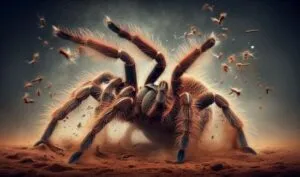
Tarantulas employ the kicking hair defense as a primary defense mechanism against predators and perceived threats. When a tarantula feels threatened, it will rub its hind legs against its abdomen, dislodging a cloud of these urticating hairs. These hairs can then be directed towards the perceived threat, causing irritation upon contact. This defense mechanism is particularly effective against mammals, including humans, as the hairs can embed themselves in the skin, causing itching, redness, and discomfort. Tarantulas may also kick hairs as a warning or to deter potential attackers. It is a natural behavior and part of their survival strategy in the wild. The tarantula will often adopt a defensive posture before kicking hairs, such as rearing up on its back legs, and the hairs are released in a cloud in the direction of the threat.
Identifying the Symptoms
Recognizing the symptoms of urticating hair contact is essential for proper treatment. Common symptoms include intense itching, redness, and irritation of the skin. The affected area may also develop small, raised bumps or welts. The severity of the reaction varies depending on the individual’s sensitivity and the type of tarantula. In some cases, the symptoms can be mild and resolve within a few hours or days. In other cases, the reaction may be more severe, causing significant discomfort and requiring medical attention. Other symptoms may include watery eyes, sneezing, and, in rare cases, respiratory distress. The initial response often involves a burning or stinging sensation, followed by persistent itching. The best thing to do is to identify these symptoms and react quickly and safely.
Recognizing the Signs of Urticating Hair Contact
When tarantula urticating hairs make contact with the skin, eyes, or respiratory system, several telltale signs can appear. On the skin, you’ll likely notice redness, similar to a mild rash, and a burning or itching sensation. Small, itchy bumps or welts might develop. If the hairs get into your eyes, expect watering, redness, and a feeling like something is in your eye. Inhaling the hairs can cause coughing, sneezing, and irritation in the nose and throat. The severity of these signs varies depending on the tarantula species and your own sensitivity. Quick recognition of these signs is critical for prompt treatment and minimizing discomfort. Understanding these signs allows you to take immediate action to alleviate symptoms and prevent further irritation.
Immediate Actions

If you suspect that you have come into contact with tarantula urticating hairs, immediate action is necessary to minimize the effects. The primary goal is to remove the hairs from the skin as quickly as possible. Avoid rubbing or scratching the affected area, as this can embed the hairs further and worsen the irritation. Instead, gently remove the hairs using appropriate methods. Also, it is important to wash the area thoroughly with mild soap and cool water. Avoid hot water, as it can open pores and make the irritation worse. Following these immediate steps can help reduce discomfort and prevent the condition from worsening. It is also crucial to remember that prompt treatment is key to mitigating the effects of urticating hairs and promoting faster recovery.
How to Remove Hairs
There are several effective methods for removing urticating hairs from the skin. The goal is to lift the hairs without causing further irritation. The methods listed below have proven effective and are the most recommended for removal of tarantula hairs. Avoid methods that may worsen the irritation, such as scratching or rubbing the affected area. You can also try using adhesive tape to lift the hairs from the skin. Using these techniques properly will provide relief from the irritation caused by urticating hairs. It is advisable to perform a test on a small area first to ensure the method does not cause any adverse reactions. Patience and gentleness are key to successfully removing the hairs and reducing the irritation.
Using Tape
Using adhesive tape, such as clear packing tape or medical tape, is a simple yet effective way to remove urticating hairs. Apply the tape gently to the affected area, pressing down lightly to ensure good contact. Then, carefully peel the tape away, lifting the hairs with it. Repeat this process until you have removed as many hairs as possible. Be careful not to press too hard, as this can worsen the irritation. It is often best to use a clean piece of tape each time you apply it. Using this method can effectively remove a significant portion of the hairs, providing relief from the itching and discomfort associated with the urticating hairs.
Using Water

While not a primary method for removing hairs, washing the affected area with cool water can help to rinse away loose hairs and soothe the skin. Use a mild soap and avoid hot water, as this can open the pores and cause the hairs to penetrate deeper into the skin. Gently lather the soap and rinse thoroughly. Pat the area dry with a clean towel, avoiding rubbing. This method is best used in conjunction with other removal techniques. Always ensure that the water is not too hot, as hot water can aggravate the irritated skin. Clean, cool water provides a gentle way to soothe the skin and complement other methods of hair removal.
Dealing with Skin Irritation
Once you’ve removed the hairs, the next step is to address any skin irritation. Applying a cool compress can help to reduce inflammation and soothe itching. Over-the-counter hydrocortisone cream can also provide relief from itching and redness. Avoid scratching the affected area, as this can worsen the irritation and potentially lead to infection. If the irritation is severe or persists, consult with a doctor or dermatologist. They may recommend stronger treatments or medications to help manage the symptoms. Follow the medical professional’s instructions carefully. Maintaining good hygiene is also important during the healing process. Clean the affected area gently and avoid using harsh soaps or products that may irritate the skin.
Caring for Your Eyes
If urticating hairs get into your eyes, flush them immediately with copious amounts of cool water. Gently flush the eyes for at least 15-20 minutes. Avoid rubbing your eyes, as this can cause further irritation and potentially scratch the cornea. If you experience persistent pain, redness, or blurred vision, seek medical attention immediately. A doctor can assess the extent of the irritation and provide appropriate treatment. In some cases, you may need to see an ophthalmologist, a doctor specializing in eye care. They can remove any remaining hairs and prescribe medication to alleviate the symptoms. Proper eye care is essential to prevent complications. Do not hesitate to seek medical help if you’re concerned about your eyes.
Long-Term Management

Managing potential exposure and minimizing risks is crucial for long-term well-being when keeping tarantulas. By implementing preventive measures, you can significantly reduce the chances of experiencing issues with urticating hairs. This involves creating a safe environment, learning best practices for handling, and understanding how to care for the tarantula and its habitat. Proper handling and awareness of potential risks are vital for enjoyment. This approach can contribute to the well-being of both the tarantula and the owner. These practices will make your experience with tarantulas a positive one and will help build a solid foundation of experience.
Reducing Exposure
The most effective way to manage urticating hairs is to minimize exposure. Wear appropriate personal protective equipment (PPE) when handling your tarantula or cleaning its enclosure. This includes wearing long sleeves, gloves, and eye protection. Avoid handling your tarantula unnecessarily. Only handle the tarantula if essential for its care, such as for moving it to a new enclosure or checking its health. Also, always wash your hands thoroughly after handling or being near your tarantula’s enclosure. Keep the enclosure clean and remove any shed exoskeletons promptly, as these can contain urticating hairs. By taking these precautions, you can significantly reduce your risk of exposure.
Proper Enclosure Setup
A properly set up enclosure plays a crucial role in reducing exposure to urticating hairs. Choose an enclosure that is appropriately sized for your tarantula species. It should have a secure lid to prevent escape. Use a substrate that is easy to clean and replace, such as coconut fiber or peat moss. Regularly clean the enclosure and remove any shed exoskeletons. Ensure proper ventilation to keep the enclosure environment healthy. When cleaning the enclosure, wear PPE, including gloves and a mask. If you can, place the enclosure in an area with good ventilation. When cleaning the enclosure, it is best to do it in an area with good ventilation to reduce the risk of inhaling the hairs. A well-maintained enclosure is not only good for your tarantula’s health but also helps to minimize the risks associated with urticating hairs.
Handling Your Tarantula
Handling your tarantula should be done with caution and respect. Before handling, consider if it is necessary, as tarantulas can be stressed by handling. If you need to handle your tarantula, do so in a safe and controlled environment, such as on a low table. Always handle your tarantula gently and avoid sudden movements. If possible, encourage the tarantula to walk onto your hand rather than picking it up. Avoid direct contact with the tarantula’s abdomen to minimize the risk of exposure to urticating hairs. After handling, wash your hands thoroughly. Never handle your tarantula if you are under the influence of drugs or alcohol, or if you are experiencing any health issues that may affect your coordination or judgment.
When to Seek Professional Help
While most cases of urticating hair contact can be managed at home, there are situations when you should seek professional medical assistance. If you experience severe symptoms, such as difficulty breathing, swelling of the face or throat, or widespread skin reactions, it is crucial to seek immediate medical attention. These may indicate a serious allergic reaction. Also, if the symptoms persist or worsen despite home treatment, consult with a doctor or dermatologist. A medical professional can provide appropriate care, including prescribing stronger medications or performing additional tests. Furthermore, if the hairs get into your eyes and you experience persistent pain, redness, or blurred vision, seek immediate assistance from an ophthalmologist. Don’t hesitate to get professional help when you are uncertain.
Veterinarian or Doctor
A medical professional can provide valuable assistance if you’re facing severe symptoms or if your home treatments are not effective. Your doctor or a dermatologist can provide you with a comprehensive evaluation, determine the severity of your reaction, and offer appropriate care and advice. They might prescribe medications to alleviate itching, inflammation, or any other significant symptoms. For eye-related issues, an ophthalmologist can help you with proper care. Medical professionals possess the expertise and resources to ensure that your health is prioritized, and seeking their aid is always the right choice when you are in doubt or in severe cases. Consulting with a medical professional guarantees the most effective and secure management of symptoms.
Prevention Strategies

The most effective approach to dealing with urticating hairs is to prevent exposure in the first place. Prevention involves making informed choices when selecting a tarantula species, setting up the enclosure correctly, and always practicing safe handling techniques. Understanding the potential risks and following the guidance on minimizing exposure can help you enjoy your tarantula as a pet safely. Adopting these strategies from the beginning will significantly contribute to a safe and enjoyable experience with tarantulas, allowing you to appreciate the wonder of these fascinating creatures.
Choosing the Right Tarantula Species
When selecting a tarantula, consider the species’ temperament and the type of urticating hairs it possesses. Some tarantula species are known to be more defensive and prone to kicking hairs. Research the species’ behavior and defensive strategies before acquiring it. Certain species are known to have less irritating hairs. If you are new to tarantulas, you may want to start with a less defensive species. This will give you more experience handling tarantulas and will reduce the chances of exposure to urticating hairs. Learning about the specific needs and behaviors of each species is critical. Understanding a tarantula’s natural defenses helps you minimize the risk. You can enjoy your tarantula experience more with the proper information.
Maintaining a Safe Habitat
A well-maintained habitat is key for the well-being of your tarantula and can reduce the risk of exposure to urticating hairs. Regularly clean the enclosure, removing any shed exoskeletons and uneaten food promptly. Make sure the enclosure has proper ventilation to prevent the buildup of humidity. This can help reduce the growth of mold, which can also cause irritation. Also, make sure the enclosure is not placed in a high-traffic area of your home. This will reduce the chances of your tarantula feeling threatened and kicking hairs. Provide the tarantula with appropriate hides and enrichment to reduce stress. Following these guidelines will help you create a safe and healthy environment for your tarantula and help you avoid exposure to urticating hairs.