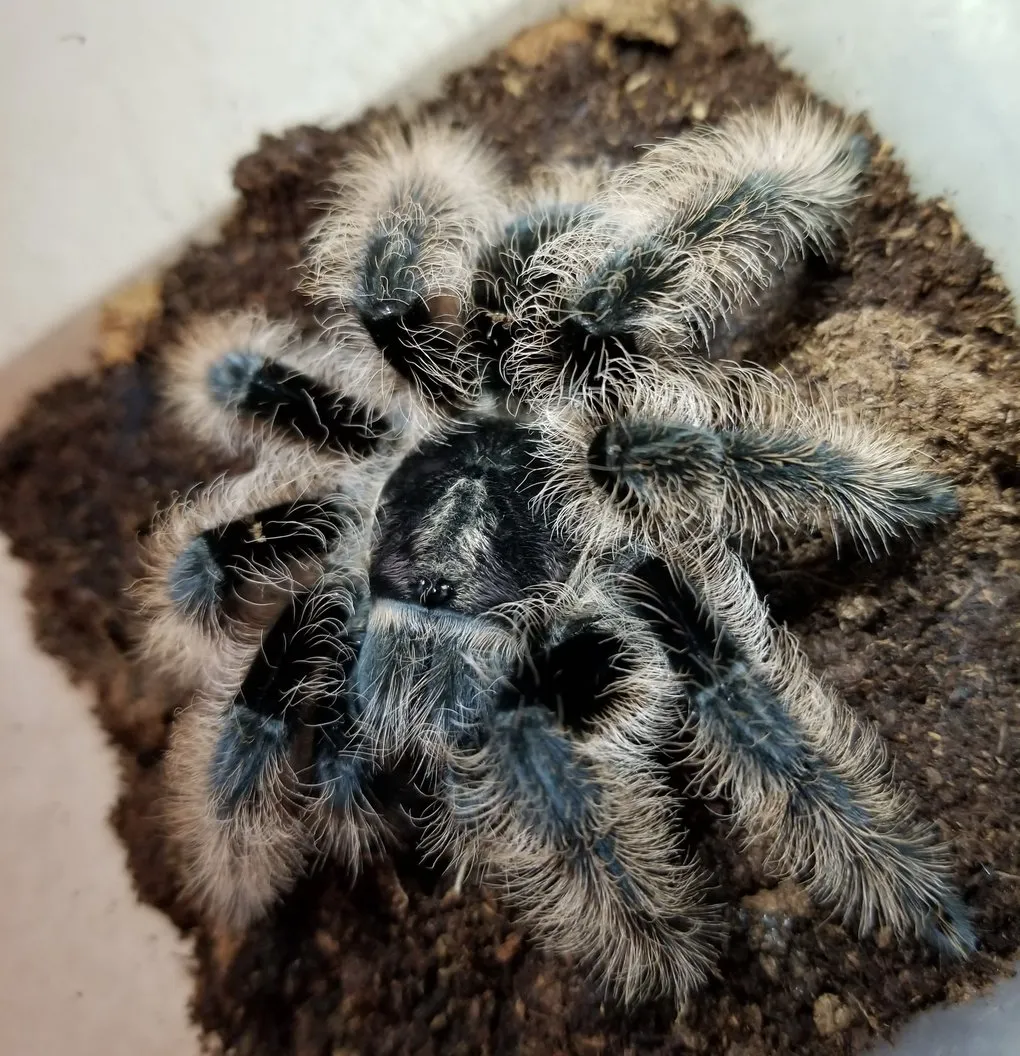
What is the Average Tarantula Lifespan
Tarantulas, fascinating arachnids known for their hairy bodies and impressive size, have varying lifespans depending on the species, sex, and living conditions. The average lifespan of a tarantula can range significantly. Some smaller species might only live for a few years, while larger species, especially females, can thrive for over two decades. It’s essential to understand these differences if you’re considering a tarantula as a pet, as their longevity is a significant commitment. The lifespan of a tarantula is a complex topic, and several factors influence how long these creatures will grace our homes.
Factors Influencing Tarantula Lifespan
Several factors significantly influence the lifespan of a tarantula. Genetics play a crucial role, with some species inherently living longer than others. Diet is another critical factor; a well-balanced diet consisting of appropriate insects, provided regularly, can contribute to a longer and healthier life. The environment also matters greatly. A clean, appropriately sized enclosure with the right temperature and humidity levels can make a massive difference. Proper care includes providing a safe space, monitoring for illnesses, and ensuring the tarantula has the resources it needs to thrive.
Diet and Nutrition

A tarantula’s diet is primarily based on insects. Crickets, mealworms, and roaches are common choices. The size of the prey should be appropriate for the tarantula’s size, usually no larger than its abdomen. Overfeeding can lead to health issues. The frequency of feeding depends on the tarantula’s age and species. It is also important to provide fresh water, as tarantulas need hydration to molt and maintain their health. Providing a varied and nutritious diet can improve the lifespan and the general health of the tarantula.
Environment and Enclosure
Creating the ideal habitat is fundamental to a tarantula’s health and longevity. The enclosure should be appropriately sized, allowing the tarantula enough space to move around. The substrate should be suitable for burrowing and maintaining humidity. Temperature and humidity must be maintained at optimal levels for the specific species. The environment should be free from hazards, such as sharp objects or potential escape routes. Regular cleaning and maintenance of the enclosure are essential to prevent the growth of mold or bacteria, thus keeping the tarantula healthy.
Male vs Female Tarantula Lifespan
One of the most significant differences in tarantula lifespan lies between males and females. In general, female tarantulas live significantly longer than males. Males typically mature faster and have a shorter lifespan, often only living for a few years after reaching adulthood. This is primarily due to their mating behavior. After mating, male tarantulas often die shortly after, either due to the stress of the process or because they are eaten by the female. Females, on the other hand, can live for several years after mating, sometimes even decades, depending on the species.
Curly Hair Tarantula Lifespan

The Curly Hair Tarantula (Tliltocatl albopilosus), a popular species among pet owners, typically exhibits the lifespan characteristics of many tarantula species. Females can live for 10 to 20 years, while males generally live for 5 to 10 years. The specific lifespan can vary depending on the care provided, as well as the genetic makeup of the individual tarantula. Understanding the longevity of this species is an important aspect for anyone looking to keep a Curly Hair Tarantula.
Lifespan in Captivity
The lifespan of a tarantula in captivity can differ from its lifespan in the wild. Captive tarantulas often live longer than their wild counterparts because they are protected from predators, have a consistent food supply, and are kept in a controlled environment. However, the quality of care greatly impacts lifespan. Poor housing, incorrect temperatures, improper feeding, or a lack of proper hygiene can significantly shorten a tarantula’s life. Careful consideration of habitat and diet is crucial for extending the lifespan of your pet tarantula.
How to Prolong Tarantula Lifespan
Several steps can be taken to maximize the lifespan of a tarantula in captivity. These include providing a spacious, well-maintained enclosure with appropriate temperature and humidity levels. A balanced diet, free of pesticides, is crucial, and fresh water should always be available. Regular inspections for illnesses or mites are essential. Minimizing stress and disturbance to the tarantula is also crucial. Proper handling, when necessary, and avoiding overcrowding will keep your pet safe. By providing the best possible care, you can help your tarantula live a long, healthy, and fulfilling life.
- Provide a spacious and clean enclosure.
- Maintain optimal temperature and humidity.
- Feed a varied and nutritious diet.
- Ensure fresh water is always available.
- Regularly inspect the tarantula for signs of illness or mites.
- Minimize stress and disturbance to the tarantula.
- Handle the tarantula carefully, when necessary.