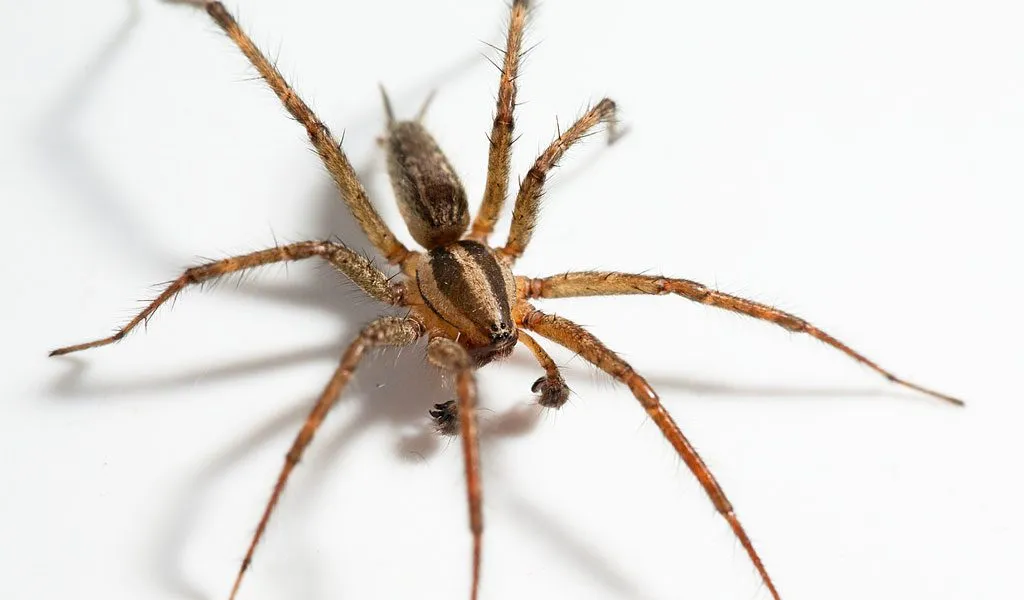
What Makes a Spider Look Like a Tarantula?
Tarantulas, with their impressive size and often intimidating appearance, are a source of fascination and, for some, fear. But the world of arachnids is vast and varied, and several other spiders share characteristics that can make them easily mistaken for these giants. Understanding the key features that contribute to this resemblance is the first step in accurately identifying these look-alikes. Several physical attributes play a significant role in creating this illusion. These spiders often have similar body shapes, coloring, and leg characteristics.
Size and Body Shape
One of the most obvious similarities is size. Tarantulas are among the largest spiders in the world, and spiders that mimic their appearance tend to be relatively large as well. This shared characteristic immediately draws the eye and creates a visual connection. In addition to size, the overall body shape contributes to the resemblance. Many look-alikes have a robust build, with a large cephalothorax (the combined head and chest) and abdomen, just like a tarantula.
Color and Markings

Coloration and markings also play a crucial role. Many tarantulas come in shades of brown, black, and gray, sometimes with patterns or hairs. Look-alikes often share these muted tones, making them blend in with their surroundings and further enhancing the illusion of being a tarantula. Some may also have similar patterns or textures on their bodies, adding to the visual confusion. The presence of hair or setae is also important. Many of these look-alikes will have a hairy appearance, helping them resemble a tarantula.
Hairy Legs
Tarantulas are known for their hairy legs, which are covered in setae. These hairs serve various functions, including sensory perception and defense. Many of their look-alikes also possess hairy legs, adding to the overall impression of a tarantula. These hairs can be dense and give the legs a fuzzy appearance, which is a key characteristic that many people associate with tarantulas. The length and density of the hairs can vary between species, but their presence is a significant factor in creating the visual similarity.
Top 5 Tarantula Look-Alike Spiders
Now that you understand the key characteristics that contribute to the tarantula look-alike, let’s explore five spiders that commonly get mistaken for these giants. These spiders share several traits that make them visually similar, causing many to do a double-take. From their size and body shape to their coloration and behavior, these arachnids are often confused with tarantulas. Here are some of the most common spiders that might be mistaken for a tarantula.
Wolf Spiders

Wolf spiders (Lycosidae family) are often mistaken for tarantulas due to their size, hairy appearance, and hunting habits. Many species are large and have a robust build, with long, hairy legs. They come in various shades of brown and gray, often with patterns that help them camouflage with their surroundings. Like tarantulas, they are ground hunters, ambushing their prey rather than building webs. They are excellent hunters and are often seen actively pursuing their prey across the ground. These spiders are not venomous to humans, though their bite can be painful. They are also known for carrying their egg sacs and spiderlings on their backs.
Physical Characteristics
Wolf spiders can range in size from a quarter-inch to over an inch in body length, depending on the species. Their coloration is typically brown, gray, or black, with various markings and patterns that provide camouflage. They have eight eyes arranged in three rows, which helps them spot prey. Their legs are long, powerful, and covered in hairs. They do not build webs. They are typically covered in hair, like a tarantula. See image wolf-spider.webp.
Habitat and Behavior
Wolf spiders are found in various habitats, including grasslands, forests, and even gardens. They are active hunters, primarily active during the day. Unlike many spiders, they do not build webs to catch their prey. Instead, they actively pursue insects and other small invertebrates. They are generally solitary creatures and are not aggressive unless threatened. They can be found across the United States.
Fishing Spiders

Fishing spiders (Dolomedes genus) are large spiders that are well-adapted to aquatic environments. These spiders have a body shape and size that can closely resemble a tarantula. Some species can reach a leg span of several inches. They are often found near water bodies like ponds, lakes, and streams. They are known for their ability to walk on water and catch prey such as fish, tadpoles, and insects. Their coloring is often a mix of brown and gray, with patterns that help them blend in with their surroundings. They are not venomous to humans, though their bite can be painful.
Physical Characteristics
Fishing spiders are some of the largest spiders in North America, with some species having a leg span of up to four inches. They have long legs and a body shape similar to tarantulas. Their coloration varies but is typically brown and gray with patterns that provide camouflage. They have a waterproof coating on their bodies and legs. See image fishing-spider.webp
Habitat and Behavior
Fishing spiders live near water bodies and are skilled swimmers and divers. They hunt for prey on the water’s surface or underwater. They can stay submerged for extended periods and hunt by waiting near the water’s edge or by actively pursuing their prey. They are ambush predators, waiting for prey to come within reach. These spiders are typically active at night. These spiders can be found throughout North America.
Some Funnel-web spiders

Some funnel-web spiders, particularly those in the Agelenidae family, can be mistaken for tarantulas, especially if you only catch a quick glimpse. Funnel-web spiders build funnel-shaped webs in sheltered areas, such as under rocks, in crevices, or in tall grass. Their size can range from medium to large, and their bodies are often covered in hairs, giving them a somewhat fuzzy appearance. While not as large as some tarantulas, their build and coloration can cause confusion.
Physical Characteristics
Funnel-web spiders typically have a body length ranging from a quarter-inch to about an inch. Their color varies, but they are usually brown or gray, with subtle patterns that help them blend in with their surroundings. They have relatively long legs, which they use to quickly move around their webs and ambush prey. They spin a distinctive funnel-shaped web. See image funnel-web-spider.webp
Habitat and Behavior
These spiders build their webs in sheltered locations and wait for prey to come within reach. They are ambush predators. When an insect or other small creature gets trapped in their web, the spider quickly emerges from its funnel retreat to capture it. They are generally not aggressive towards humans unless provoked. They are found in various habitats, including gardens, fields, and forests.
The False Tarantula

The false tarantula (family Zoropsidae) is a European spider that closely resembles a tarantula in appearance. It is a relatively large spider, with a body length of up to an inch and a leg span of about three inches. Its coloration is typically brown, with a hairy appearance. While it is not a tarantula, its size and appearance can easily mislead someone. They are known for their fast movements and hunting skills.
Physical Characteristics
The false tarantula has a robust build and a hairy appearance. Its coloration is typically brown or grayish-brown, and its legs are long and hairy, making it closely resemble a tarantula. They have a distinct pattern of markings on their bodies. This spider is known for its fast movements and quick hunting style. See image false-tarantula.webp
Habitat and Behavior
This spider is found primarily in Europe and has spread to some parts of North America. It is a nocturnal hunter, actively pursuing prey at night. It often lives in human-inhabited areas, such as houses and gardens. They are known to be relatively fast-moving spiders. These spiders are generally not aggressive, but they can bite if threatened.
Other Large Spiders

Beyond these specific examples, other large spiders can be mistaken for tarantulas. Any spider that is large, hairy, and shares a similar body shape can easily create this illusion. The specific species will vary depending on the geographical location. Keep in mind that while many spiders share similarities with tarantulas, there are always distinct features that can help you tell them apart. These features can include the arrangement of the eyes, the structure of the spinnerets, and the type of web, if any.
Physical Characteristics
Other large spiders will generally share a similar size and body shape to tarantulas. Their coloration can range, but they often have similar shades of brown, black, or gray. The presence of hairs on their legs and bodies is a common characteristic. This category can include any larger spider that shares these features, depending on the region and habitat. Their appearance will depend on the specific spider.
Habitat and Behavior
The habitat and behavior of other large spiders can vary widely. Some may be ground hunters, while others build webs. Their activity levels can also vary depending on the species and environment. They may be found in gardens, forests, or other natural environments. Their behavior will also vary, with some species being more aggressive than others.
How to Tell the Difference
While many spiders share characteristics with tarantulas, there are ways to tell them apart. Paying close attention to certain features can help you accurately identify these arachnids. These subtle differences can help you determine whether the spider you’re observing is, in fact, a tarantula or a look-alike. Consider these features before making a final determination about the spider.
Examine the Eyes
One of the key ways to distinguish a tarantula from other spiders is by examining their eyes. Tarantulas typically have eight eyes arranged in two rows. Look-alikes often have different eye arrangements, such as wolf spiders, which have three rows of eyes, including two large forward-facing eyes. By observing the arrangement and size of the eyes, you can quickly rule out certain look-alikes. Examining the eye arrangement is usually the first step in identification. See image spider-eyes.webp
Observe the Spinnerets
Spinnerets are the silk-producing organs located at the end of a spider’s abdomen. Tarantulas have two spinnerets. Most of their look-alikes have two or three spinnerets. The number and shape of the spinnerets can be a valuable clue for identification. By examining the spinnerets, you can get a better understanding of what kind of spider you are seeing. See image spider-spinnerets.webp
Consider the Web
The presence or absence of a web is another helpful distinguishing factor. Tarantulas do not build webs to catch prey, instead, they hunt on the ground. Many of their look-alikes, such as funnel-web spiders, create webs to capture insects. By observing whether a spider builds a web, you can rule out tarantulas or other ground-dwelling spiders. The type and structure of the web, if present, can also provide clues about the spider’s identity.
Conclusion
Spotting a tarantula look-alike can be a fascinating experience, highlighting the diversity and adaptability of the spider world. By understanding the key characteristics that create the illusion and knowing how to tell the difference, you can confidently identify these arachnids. So, the next time you encounter a spider that resembles a tarantula, take a moment to observe its features. Consider its size, body shape, coloration, and eye arrangement. Remember that many spiders can share similar characteristics, but each species has unique traits that help set it apart. With a little knowledge and observation, you can become adept at distinguishing between a tarantula and its look-alikes.