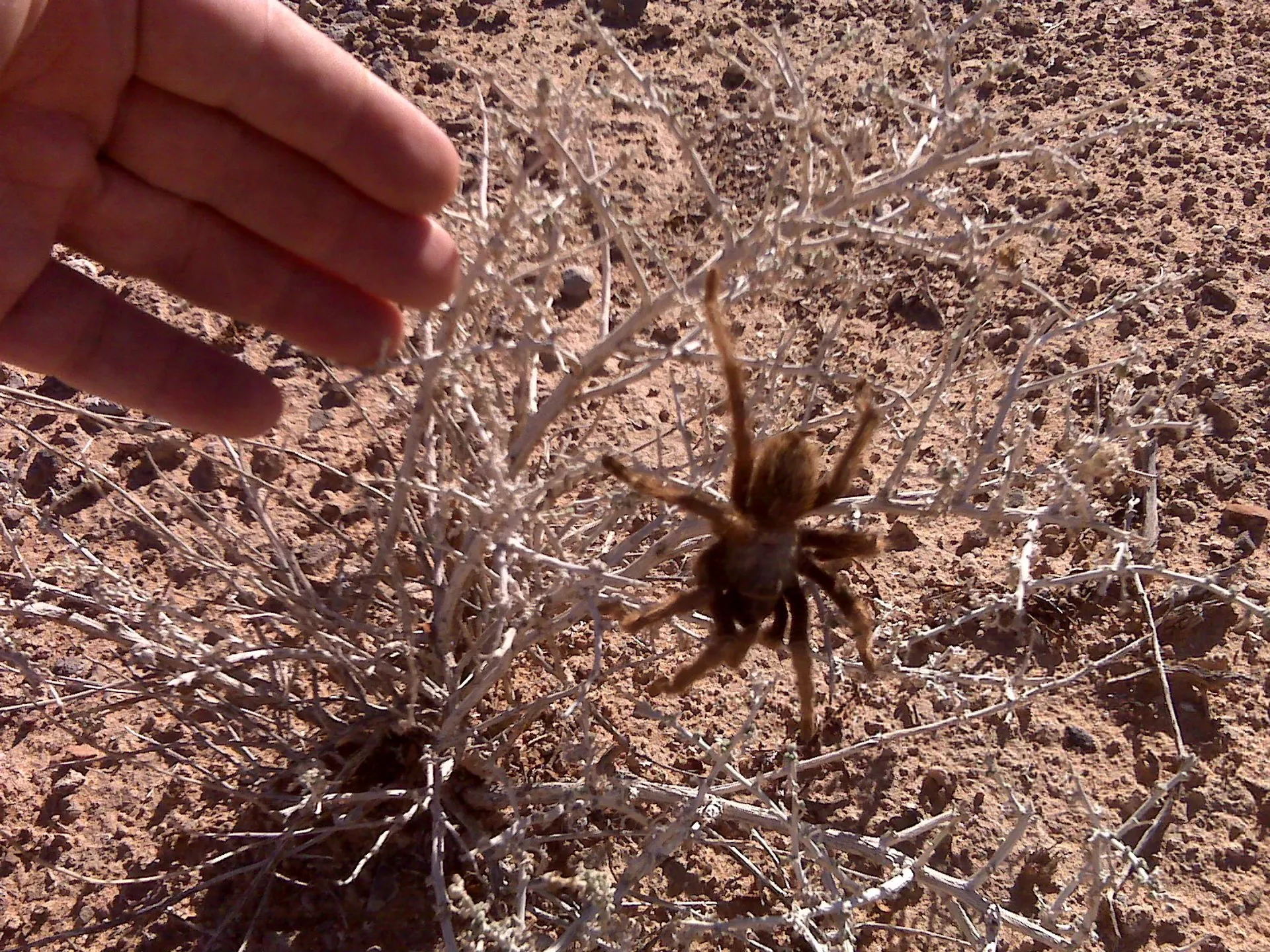
What is Tarantula Migration in Northern California?
Tarantula migration in Northern California is a fascinating natural phenomenon that occurs annually, typically in the late summer and early fall. During this time, male tarantulas, mature and ready to mate, embark on a journey across the terrain in search of females. This migration is not a random wander; it’s a purposeful movement driven by the instinct to reproduce, often covering considerable distances. The sight of these large, hairy spiders traversing roads, trails, and fields can be quite striking, and it offers a unique opportunity for wildlife enthusiasts and nature lovers to observe a remarkable aspect of the region’s biodiversity. The tarantulas’ journey is a testament to their resilience and the powerful forces of nature that govern their lives. Understanding this migration helps in appreciating the intricate web of life and the importance of preserving their habitats.
Why do Tarantulas Migrate?
The primary reason for tarantula migration is reproduction. After reaching sexual maturity, male tarantulas leave their burrows in search of females. Unlike the sedentary lifestyle of females, males actively seek out mates, covering significant distances in the process. This behavior is vital for the continuation of the species, ensuring genetic diversity and the survival of tarantula populations. The timing of the migration is usually synchronized with the end of the dry season and the start of the cooler months, maximizing the chances of successful mating. The journey is fraught with dangers, including predators, cars, and environmental hazards, making each successful mating a triumph of survival. The driving force behind this migration is the survival of the species.
The Mating Ritual

The mating ritual of tarantulas is a complex and delicate process. Upon finding a receptive female, the male will approach cautiously, often drumming his pedipalps and legs on the ground to signal his intentions. If the female is receptive, she will allow the male to mate. The male tarantula inserts his pedipalps, which have specialized structures for sperm transfer, into the female’s epigastric furrow. Mating can last from a few minutes to several hours. Once the mating is complete, the male must quickly retreat to avoid being eaten by the female, who may see him as a meal after fulfilling his purpose. The successful completion of the mating ritual ensures the continuation of the tarantula life cycle, which includes the female laying eggs and the eventual emergence of spiderlings.
Location of Tarantula Migration
In Northern California, tarantula migration typically occurs in areas with suitable habitats, including grasslands, oak woodlands, and chaparral environments. The foothills and valleys of the Sierra Nevada, as well as certain areas along the coast, are known hotspots for tarantula activity. Popular locations to spot migrating tarantulas include open spaces with plenty of vegetation, where the spiders can find shelter and potential mates. Identifying specific areas where tarantulas are known to migrate, such as parks, preserves, and protected areas, can increase your chances of witnessing this natural phenomenon. Observing them in their natural environment provides insight into their survival and the importance of their habitat.
Best Time to Witness Tarantula Migration
The best time to witness tarantula migration in Northern California is generally from late August through October. The exact timing can vary depending on weather conditions, with warmer temperatures and the end of the dry season often triggering the migration. Peak activity typically occurs in September, when the males are most actively seeking mates. For those interested in observing this spectacle, it’s advisable to monitor local weather reports and check for sightings in your area. Dusk and dawn are prime times to spot tarantulas, as they are most active during these cooler hours. Timing your visit to coincide with these peak periods will significantly increase your chances of seeing these remarkable creatures on the move.
Is Tarantula Migration Dangerous for Humans?

Generally, tarantula migration is not considered dangerous to humans. Tarantulas are not aggressive creatures and will typically try to avoid confrontation. However, if threatened or handled, they can bite, and their bite can be painful, similar to a bee sting. More concerning is the potential for allergic reactions. The main risk to humans comes from the tarantula’s defensive hairs, which can cause skin irritation if touched. While it’s safe to observe tarantulas from a distance, it’s best to avoid handling them or provoking them. If you encounter a tarantula, it is best to simply observe it and appreciate the experience without interfering with its natural behavior. Taking precautions and showing respect can ensure a safe and enriching experience for all.
How to Respect Tarantulas and Their Habitat
Respecting tarantulas and their habitat is crucial for the conservation of these fascinating creatures. When observing tarantulas during migration, it’s essential to maintain a safe distance and avoid disturbing their natural behaviors. Refrain from handling the spiders or trying to catch them, as this can stress them and potentially lead to injury. Stay on designated trails and avoid trampling vegetation, as this can damage their habitat. Support conservation efforts by advocating for the protection of open spaces and natural habitats. Educate yourself and others about tarantulas and their role in the ecosystem. By practicing responsible wildlife viewing and supporting habitat preservation, you can help ensure that future generations can witness and appreciate the wonders of tarantula migration in Northern California.