Understanding Tarantula Molting
Tarantula molting is a natural and essential process for these fascinating creatures, similar to snakes shedding their skin. It’s a period of significant change, where the tarantula sheds its old exoskeleton to reveal a new, larger one. Understanding the molting process is crucial for any tarantula owner to ensure the health and well-being of their pet. This guide will walk you through the process, from identifying the signs to providing the right care before, during, and after molting. Learning about molting not only helps in understanding the tarantula’s life cycle but also enhances the bond between the owner and their pet. It’s a remarkable event that shows the resilience and adaptability of these amazing animals.
What is Molting
Molting, or ecdysis, is the process by which a tarantula sheds its exoskeleton. The exoskeleton, made of chitin, doesn’t grow, which means the tarantula must shed it periodically to accommodate growth. This process isn’t just about size; it’s also a way for the tarantula to replace lost limbs, repair injuries, and get rid of internal parasites. The new exoskeleton is initially soft and vulnerable, hardening over several days or weeks. During this time, the tarantula is particularly susceptible to injury, so a safe, stress-free environment is very important. Molting frequency depends on the tarantula’s age, species, and environmental conditions, with younger tarantulas molting more often than adults.
Why Tarantulas Molt

Molting serves several critical purposes for tarantulas. The primary reason is to allow growth. As the tarantula grows, its current exoskeleton becomes too small, restricting movement and development. Shedding the old exoskeleton makes way for a new, larger one. Molting also allows for the regeneration of lost limbs. If a tarantula loses a leg or other appendage, it can regrow it during the molting process. Additionally, molting helps eliminate parasites and other unwanted guests that may have attached themselves to the exoskeleton. It also improves the tarantula’s overall health by providing a fresh, new exterior free of any wear and tear. The molting process is a sign of a healthy and thriving tarantula.
Signs Your Tarantula is About to Molt
Recognizing the signs that your tarantula is about to molt is crucial for providing the right care. Several behavioral and physical changes indicate that the molting process is imminent. Being aware of these signs allows you to prepare the enclosure and avoid disturbing your tarantula during this vulnerable time. Careful observation is key, and any changes in behavior or appearance should be noted and acted upon to help the tarantula have a successful molt. Be patient and observant, as each tarantula may display these signs slightly differently.
Behavioral Changes
One of the first signs that your tarantula is about to molt is a change in its behavior. You might notice that your tarantula becomes less active, spending more time hiding in its burrow or a secluded corner of the enclosure. Loss of appetite is another common sign; the tarantula may refuse food for several weeks or even months leading up to the molt. Some tarantulas may also start to seal off their burrows with webbing, creating a safe and private space for the molting process. Be sure not to try to remove the webbing. The tarantula will emerge when it is ready.
Physical Changes

Physical changes are also visible indicators of an impending molt. The tarantula’s abdomen may appear darker and more swollen. You might also notice a change in the color of the exoskeleton, which can become duller or appear translucent. The bald spot on the abdomen (if your tarantula has one) might darken. Another key indicator is the appearance of a new, softer exoskeleton beneath the old one, which can sometimes be seen through the existing shell. You might also notice that the tarantula’s fangs become lighter in color. Paying attention to these physical changes will help you anticipate the molt and provide the best possible care for your pet.
Preparing for the Molt
Preparing the enclosure is crucial for a successful molt. A well-prepared environment minimizes stress and provides the tarantula with the best chance of shedding its exoskeleton without complications. The goal is to create a safe, comfortable, and humid environment. The steps you take will help create an environment where the tarantula feels secure and can comfortably carry out the molting process. Remember that patience is key, and avoiding any disturbances during this time will contribute to your tarantula’s well-being.
Creating the Ideal Environment
The ideal environment for molting is a stable and stress-free one. Before your tarantula begins the molting process, ensure the enclosure is clean and free of any potential hazards, such as sharp objects or items that could fall and injure the tarantula. Remove any uneaten food and maintain the appropriate substrate level. This provides a soft surface for the tarantula to molt on. It’s also best to stop handling your tarantula during this period, and avoid any sudden movements or loud noises. You want to give them plenty of privacy during this crucial process, making sure the enclosure is placed in a quiet, low-traffic area.
Maintaining Humidity

Maintaining proper humidity levels is essential for a successful molt. The humidity helps to soften the old exoskeleton, making it easier for the tarantula to shed. The required humidity level varies depending on the species of tarantula, but generally, a range of 60-80% is suitable. Use a hygrometer to monitor the humidity levels. Increase humidity by lightly misting the enclosure with dechlorinated water, but avoid over-saturating the substrate. Ensure proper ventilation to prevent mold growth, and also provide a shallow water dish. A well-maintained humidity level not only aids the molting process but also contributes to the tarantula’s overall health.
Providing a Safe Space
Providing a safe space for your tarantula is paramount. If your tarantula has a burrow, ensure it’s stable and undisturbed. If not, provide ample substrate for the tarantula to burrow. If the tarantula does not have a hide, adding one, such as a piece of cork bark or a pre-made hide, can make it feel more secure. Avoid any unnecessary disturbances, such as tapping on the glass or moving the enclosure. A secure, private space allows the tarantula to feel safe and secure during the vulnerable molting process, minimizing stress and improving the chances of a successful molt.
The Molting Process Step-by-Step
Witnessing a tarantula molt is a fascinating experience, but it’s also a delicate process. Understanding the steps involved can help you appreciate this natural wonder and ensure you don’t interfere. The tarantula’s ability to shed its exoskeleton is an incredible feat of biology. Knowing the sequence helps you understand what’s happening and what to expect. Observing the molting process is a privilege, so it’s important to know the various stages.
The Tarantula Flips Over

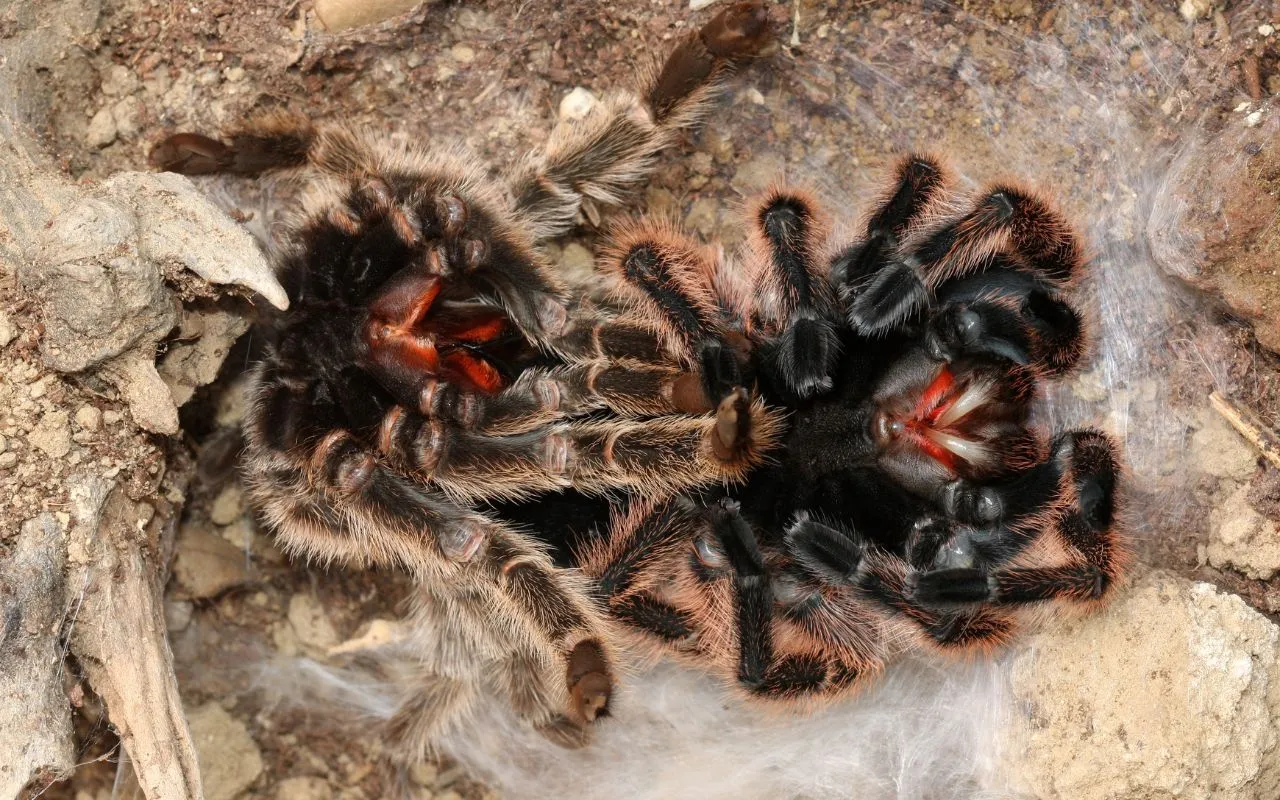
The molting process begins with the tarantula flipping onto its back. This position allows the tarantula to shed its exoskeleton more effectively. The tarantula may remain in this position for several hours or even days, depending on its size and the environmental conditions. Don’t worry; this is a normal part of the process. Avoid any attempts to right the tarantula, as this could disrupt the molt and potentially harm it. The tarantula will be in a vulnerable position, so it’s important to avoid any disturbances.
Extracting Itself from the Exoskeleton
Once the tarantula is in position, it will begin the arduous task of extracting itself from the old exoskeleton. Using its legs and body, it will slowly wriggle out of the old shell. This process can take several hours. During this time, the tarantula will pump hemolymph (the equivalent of blood) into its body, causing the new exoskeleton to expand and fill the space left by the old one. It’s a remarkable display of strength and agility. The tarantula will eventually free itself entirely from the old exoskeleton, leaving behind a perfect cast of its former self.
The New Exoskeleton Hardens
After shedding the old exoskeleton, the tarantula’s new shell will be soft and vulnerable. It will take several days or even weeks for the new exoskeleton to harden fully. During this time, the tarantula is especially susceptible to injury. Avoid handling your tarantula and keep the enclosure free of any potential hazards. The tarantula will remain in place and will not move around. It’s a time of recovery and growth. Provide a stable environment, proper humidity, and avoid disturbing the tarantula until the exoskeleton has fully hardened and the tarantula returns to its normal behaviors. Do not offer food during this time.
Post-Molt Care

Caring for your tarantula after a molt is critical for its health and well-being. During this period, the tarantula is recovering from the strenuous process and requires special attention. Providing the right care will ensure a smooth transition back to its normal routine. Understanding the needs of your tarantula post-molt will also help you strengthen the bond between you and your pet. Keep in mind that each tarantula is unique, and you must observe the behavior of the tarantula to be able to accommodate its needs.
Providing Water
Ensure that fresh, clean water is always available. After molting, a tarantula will often be very thirsty. Keep the water dish filled with dechlorinated water. You can also mist the enclosure lightly to provide additional moisture. Make sure to monitor the water levels and provide clean water at all times. Offering water ensures that the tarantula stays hydrated. Hydration is a critical aspect of recovery, and proper hydration will contribute to the tarantula’s overall health and vitality.
Offering Food
Wait a few days after the molt before offering food. The tarantula’s fangs need to harden completely before it can eat. Start with small, easily digestible prey, such as a small cricket or a mealworm. Once the tarantula begins to eat, it will usually resume its normal feeding schedule. If the tarantula doesn’t eat, don’t worry; it may simply need more time to recover. Observe their behavior and resume feeding when the tarantula is ready. Offering food at the right time supports the tarantula’s recovery and helps it regain its strength.
Common Issues and Solutions

While molting is a natural process, sometimes issues can arise. Being aware of these potential problems can help you provide prompt and appropriate care. Identifying and addressing these issues will contribute to the well-being of your tarantula. A proactive approach allows for quick solutions and ensures the safety of your tarantula. It is best to be prepared for these issues and know how to address them to ensure a successful molt.
Stuck Molt
A stuck molt, or failure to fully shed the exoskeleton, is a common problem. This can occur due to low humidity, improper environment, or the tarantula’s health. If you notice that your tarantula is struggling to shed its exoskeleton, increase the humidity levels and ensure the enclosure is free of any hazards. In severe cases, you may need to seek advice from a veterinarian or experienced tarantula keeper. Avoid any attempts to manually remove the exoskeleton, as this could harm your pet. A veterinarian can help if a stuck molt persists.
Molting Problems
Other problems may include the loss of limbs or injury during the molting process. These issues can often be addressed by providing the correct care and environment. If your tarantula has molting problems, make sure to check the enclosure for anything that may be causing problems, such as sharp objects. If injuries occur, a veterinarian can provide advice on care. It’s important to act quickly and with caution, and if in doubt, seek professional help to minimize any harm to your tarantula. Careful observation and proper preparation are keys to preventing these problems.