The Rose Hair Tarantula An Introduction
The Rose Hair Tarantula (Grammostola rosea), also known as the Chilean Rose Hair Tarantula, is a popular pet spider known for its docile temperament and beautiful appearance. Native to the grasslands of Chile, Bolivia, and Argentina, these spiders have captured the hearts of many arachnid enthusiasts worldwide. Their relatively easy care requirements and gentle nature make them an excellent choice for both novice and experienced tarantula keepers. These captivating creatures, with their distinctive pinkish hairs and calm demeanor, provide an intriguing glimpse into the world of invertebrates. This article will explore seven key facts about this fascinating species.
Appearance and Identification
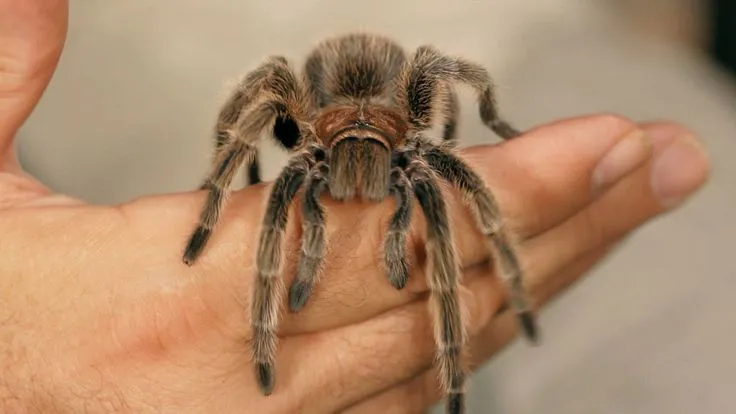
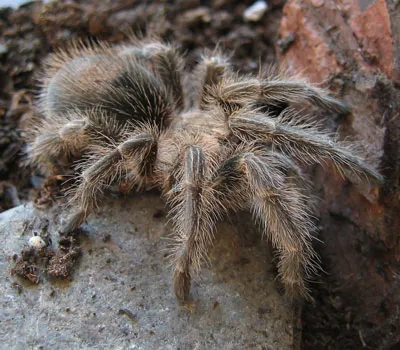
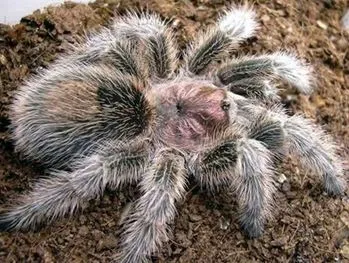
Rose Hair Tarantulas are easily recognizable due to their unique coloration and size. Typically, they have a dark brown or black body covered with a dense layer of pinkish or reddish hairs, giving them their namesake appearance. The hairs, known as setae, cover their carapace, legs, and abdomen. The size of a Rose Hair Tarantula varies depending on its age and sex. Females tend to be larger than males, reaching a leg span of up to 5–6 inches, while males are usually slightly smaller. The distinct appearance, characterized by the combination of dark coloration and pinkish hairs, makes them readily identifiable among other tarantula species. This visual feature is a primary characteristic for identification.
Coloration and Size

The overall color of the Rose Hair Tarantula is typically a dark brown or black, serving as a base for the striking pink or reddish hairs that give them their name. These hairs are not uniformly distributed; they are denser on the legs and abdomen, enhancing their visual appeal. The size difference between males and females is a key identifying factor. Females, being larger, are often the preferred choice for pet owners, while males are smaller and typically live for a shorter duration. The leg span is a critical measurement, allowing for an accurate assessment of their size and maturity, especially in differentiating between young specimens and fully grown adults.
Distinguishing Features
Apart from their coloration and size, the Rose Hair Tarantula has other distinguishing features. The presence of urticating hairs on the abdomen is a key defensive mechanism. When threatened, they flick these hairs, causing irritation to potential predators. Their eight eyes, arranged in two rows of four, provide them with a broad field of vision, though their eyesight is not particularly sharp. They also have chelicerae (fangs) used for capturing and injecting venom into their prey. Understanding these features helps in the proper handling and care of these fascinating creatures, ensuring both their well-being and the safety of their keepers. The unique combination of physical traits makes them stand out.
Habitat and Natural Environment
Rose Hair Tarantulas originate from the arid grasslands and scrublands of Chile, Bolivia, and Argentina. Their natural habitat plays a crucial role in understanding their care requirements in captivity. They are well-adapted to survive in a variety of conditions, but understanding these natural environments is crucial for providing the best possible care. The specifics of their natural habitat provide crucial information for recreating optimal living conditions in captivity. This knowledge is instrumental in ensuring the health and longevity of these fascinating creatures.
Native Range

These tarantulas are primarily found in the dry and temperate regions of South America, spanning across Chile, Bolivia, and Argentina. They thrive in environments that are characterized by low humidity and moderate temperatures. The range includes diverse landscapes, from grasslands to scrublands, where they can find shelter and hunt for prey. Understanding their native range provides important clues about the environmental conditions they require for survival and well-being. This geographic insight is crucial for providing the correct habitat in captivity.
Preferred Habitat
In their natural habitat, Rose Hair Tarantulas prefer to live in burrows, either those they excavate themselves or those found naturally. These burrows provide shelter from extreme temperatures and predators. The soil composition is typically dry and sandy, providing good drainage. They are often found under rocks, in crevices, or among sparse vegetation. Replicating these conditions in a terrarium is key to their well-being. The provision of a suitable substrate and hiding places is essential for their health and comfort, helping them feel secure and thrive.
Burrowing and Hiding Behavior
Rose Hair Tarantulas are primarily nocturnal and spend most of their time in burrows or under cover, which is a natural behavior for protection and temperature regulation. Their burrowing behavior is essential for their survival, as it helps them regulate their body temperature and avoid predators. In captivity, providing a suitable substrate, such as a mixture of soil and peat moss, allows them to express this natural behavior. The presence of hides, such as cork bark or artificial caves, further enhances their sense of security, making them feel safe and comfortable in their environment. Understanding these behaviors is important for creating a thriving habitat.
Diet and Feeding Habits

The diet of a Rose Hair Tarantula consists primarily of insects, making them efficient predators in their environment. Understanding their feeding habits is crucial for maintaining their health and well-being in captivity. They have specific preferences and requirements when it comes to their food, and their feeding behavior is closely linked to their natural instincts. The approach to feeding and the types of food offered are important aspects of their care.
What Do Rose Hair Tarantulas Eat?
The primary diet of Rose Hair Tarantulas in the wild consists of insects like crickets, grasshoppers, and beetles. They are opportunistic feeders and will also consume other small invertebrates they can overpower. In captivity, the most commonly fed food items are crickets, mealworms, and roaches, which are readily available and easy to obtain. The diet can be supplemented with occasional treats such as pre-killed pinkie mice, especially for adult tarantulas. Providing a varied diet helps ensure they get all the necessary nutrients for growth and health. A balanced diet is key to a healthy tarantula.
Feeding Frequency
The feeding frequency for Rose Hair Tarantulas varies depending on their age and size. Spiderlings and juveniles require more frequent feeding, usually 2–3 times a week, to support their rapid growth. Adult tarantulas can be fed less frequently, often once a week or every other week. It is essential to monitor their body condition and adjust the feeding schedule accordingly. Overfeeding can lead to obesity and potential health issues. Observing their feeding behavior, such as their willingness to eat, helps determine the appropriate feeding schedule, ensuring they receive the right amount of food for their needs.
Prey Preferences
Rose Hair Tarantulas have preferences when it comes to prey. While they will eat a variety of insects, they often prefer live, moving prey, which stimulates their natural hunting instincts. Crickets are a popular choice, offering a good balance of nutrition and ease of availability. Roaches, such as Dubia roaches, are another excellent option, as they are high in protein and relatively easy to care for. It is important to offer appropriately sized prey to prevent injury to the tarantula. The size of the prey should be no larger than the tarantula’s abdomen, ensuring it can easily be consumed.
Behavior and Temperament
Rose Hair Tarantulas are generally known for their docile temperament, making them a popular choice among tarantula enthusiasts. However, understanding their behavior is crucial for responsible care and handling. Their reactions can vary depending on their environment, their individual personality, and external stimuli. Learning to recognize their behavioral cues helps in safely interacting with these fascinating creatures.
Handling and Interaction
Rose Hair Tarantulas are not typically aggressive, but handling should be approached with caution and respect. They are sensitive to vibrations and sudden movements. If you choose to handle your Rose Hair Tarantula, it’s best done close to the ground or over a soft surface, in case it falls. Avoid grabbing the tarantula as this can stress it. Instead, gently coax it onto your hand. Always wash your hands before and after handling to remove any scents that might be perceived as threatening by the tarantula. Handling should be kept to a minimum, as excessive interaction can stress the spider and potentially lead to defensive behaviors.
Defensive Mechanisms

When feeling threatened, Rose Hair Tarantulas have several defensive mechanisms. One of the most common is the flicking of urticating hairs from their abdomen, which can cause skin irritation. They may also raise their front legs in a threat posture or attempt to flee. Though bites are rare, they are possible if the tarantula feels cornered. These bites are not usually medically significant to humans, but they can be painful. It’s crucial to be mindful of their behaviors and avoid actions that could be perceived as a threat.
Lifespan and Growth
Understanding the lifespan and growth patterns of Rose Hair Tarantulas is essential for providing the right care throughout their lives. They have a relatively long lifespan compared to other pets, which is one of the appeals for many keepers. Their growth involves regular molting, a process that is critical for their development. Monitoring their growth and molting cycles is important for ensuring they remain healthy and thrive.
Average Lifespan
Rose Hair Tarantulas have a long lifespan, making them a long-term commitment. Females can live for an impressive 20–25 years or even longer under optimal conditions. Males, however, have a shorter lifespan, typically living for 5–10 years after reaching maturity. The significant difference in lifespan is primarily due to the reproductive cycle; females live longer because they do not expend energy on mating and reproduction as frequently. The longevity of these spiders makes them a rewarding pet, providing many years of enjoyment for their owners.
Growth Stages and Molting
Rose Hair Tarantulas grow by molting their exoskeleton, shedding their outer layer to reveal a new, larger one. This process is known as ecdysis. Young tarantulas molt frequently, sometimes every few months, while adults molt less often, perhaps once a year or even less frequently. Before molting, they may appear less active, lose their appetite, and their abdomen may darken. After molting, their new exoskeleton is soft and vulnerable. It is important to avoid disturbing the tarantula during this period. Adequate humidity and a safe environment are crucial for successful molting, ensuring their continued growth and well-being. Observing the molting process is fascinating and a key part of caring for them.
Common Health Issues
Like all animals, Rose Hair Tarantulas can be susceptible to certain health issues. Understanding these potential problems helps in taking preventative measures and providing appropriate care. Recognizing the signs of illness and knowing how to respond is a critical aspect of responsible tarantula ownership. Several factors, including environment and diet, play a significant role in their health.
Parasites and Diseases
Rose Hair Tarantulas are generally hardy but can be affected by parasites and diseases. Internal parasites, such as nematodes, can sometimes affect their digestive system, though this is less common in captive tarantulas with proper care. External parasites, such as mites, can be a more frequent concern. Mites are small, often red or brown, and can be found on the tarantula’s body and in its enclosure. Bacterial or fungal infections can also occur, often related to poor hygiene or improper enclosure conditions. Regular monitoring of the tarantula and its environment is essential for detecting and addressing any health problems early on.
Preventative Care
Preventative care is the best approach to keeping Rose Hair Tarantulas healthy. Maintaining proper hygiene in their enclosure is crucial, including removing uneaten food and cleaning the substrate regularly. Providing the correct humidity and temperature is vital to preventing health issues. A balanced diet, with appropriately sized and varied prey, ensures they receive all necessary nutrients. Regular observation of your tarantula’s behavior and appearance can help you spot early signs of illness or distress. Consulting with a veterinarian experienced in exotic animals can be beneficial for specialized advice and care.
Rose Hair Tarantula Conservation
While the Rose Hair Tarantula is not currently considered endangered, understanding the conservation status of any species is important, especially considering threats to their wild populations. Conservation efforts focus on protecting their natural habitats and promoting responsible pet ownership. Educating yourself and others about these practices is a crucial step in the conservation of Rose Hair Tarantulas and their environment.
Threats to Wild Populations
The primary threats to wild populations of Rose Hair Tarantulas include habitat loss due to deforestation, urbanization, and agricultural expansion. Climate change can also impact their environment, leading to changes in temperature and rainfall, which can affect their survival. Over-collection for the pet trade can be a concern if not regulated properly. The impact on their natural habitats and environment has the potential to affect their survival and reproduction. Monitoring and mitigating these threats is essential for the long-term survival of these species.
Conservation Efforts
Conservation efforts for Rose Hair Tarantulas focus on habitat preservation and sustainable practices. Supporting organizations that protect their natural habitats is a critical step. Responsible pet ownership is also crucial, as it helps reduce the demand for wild-caught tarantulas, supporting captive-bred populations instead. Education and awareness are key to promoting conservation efforts, informing people about the importance of these spiders and the need to protect their environment. By understanding the threats and supporting conservation initiatives, we can help ensure that Rose Hair Tarantulas thrive in the wild.