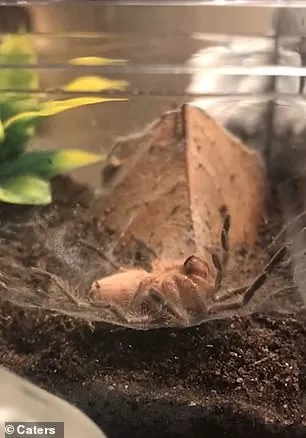
What Is Tarantula Shedding (Molting)
Tarantula shedding, also known as molting, is a crucial and natural process where the tarantula sheds its exoskeleton. This outer layer, which is made of chitin, doesn’t grow with the tarantula, so it must be replaced periodically. This process allows the tarantula to grow larger, repair damaged limbs, and renew its external features. Molting is a sign of a healthy and growing tarantula, and understanding the process is essential for responsible pet ownership. The frequency of molting varies depending on the tarantula’s age, species, and feeding schedule, with younger tarantulas molting more often than adults. It is a fascinating process to observe, but also a vulnerable time for the spider, requiring specific care and attention from the owner. Proper care during this period can greatly improve the tarantula’s well-being.
The Molting Process Preparing for Shedding
The process of molting isn’t instantaneous; it’s a complex series of physiological changes and behaviors that precede the actual shedding. The tarantula will prepare for this significant event by ceasing to eat and seeking a safe and secluded location within its enclosure. This phase can last from a few weeks to several months, depending on the age and health of the tarantula. During this time, the tarantula will start to create a new exoskeleton beneath the old one. The old exoskeleton begins to detach, and the tarantula might appear sluggish and less active than usual. Observing these preparatory behaviors is a key part of understanding the molting process and ensuring the tarantula’s well-being. As the molting nears, the tarantula might also start to flip onto its back, a characteristic posture for the shedding process.
Recognizing the Signs of Molting
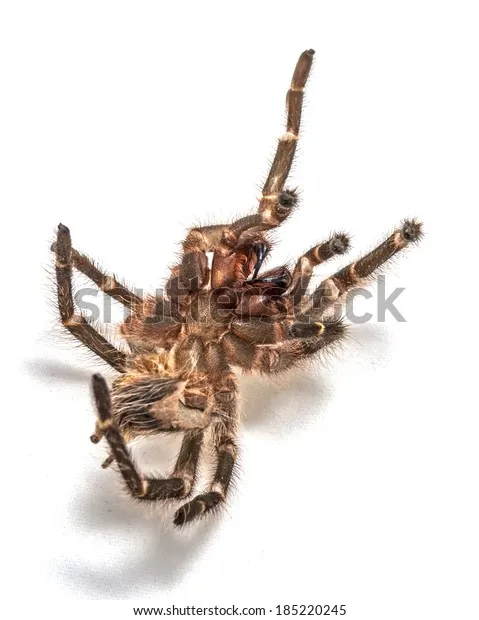
Recognizing the signs that your tarantula is about to molt is essential for providing proper care. The changes in the tarantula’s behavior and appearance can help you prepare and create the ideal environment for a successful molt. Monitoring these signs will help you to avoid disturbing the tarantula during this vulnerable period.
Increased Appetite
In the weeks or months leading up to a molt, a tarantula might display an increased appetite, eating more than usual to store up energy reserves for the shedding process. This is especially common in juveniles that are growing rapidly. However, this is not always the case, and some tarantulas might stop eating completely before molting. Providing an ample supply of food during this period is crucial, but always remove any uneaten prey to prevent stress or harm to the tarantula. The tarantula uses the extra energy to build the new exoskeleton beneath the old one.
Lethargy and Loss of Appetite
As the molt approaches, the tarantula might become lethargic and lose its appetite. The tarantula will become less active, spending more time hiding in its burrow or under cover. The tarantula’s natural instincts kick in, making it seek a safe, secure location where it can safely molt. This behavior is a clear sign that the shedding process is imminent, and it’s important to avoid any disturbances during this time. Provide a quiet, dimly lit environment to minimize stress. Do not offer food, as the tarantula will not be interested, and the presence of prey could cause unnecessary stress.
Changes in Abdomen Color and Texture

Changes in the abdomen are also indicative of an impending molt. The abdomen might appear swollen or stretched, and the colors could become duller or change entirely. You may notice a darkening of the abdomen, or changes in the hair coverage. The abdomen is where the new exoskeleton is formed, and these physical changes are a clear sign that the molting process is underway. These signs allow you to adjust your care and ensure the tarantula has a safe place to molt. Be patient and avoid handling the tarantula, which could cause injury.
Darkening of the Abdomen
A darkening of the abdomen is a particularly reliable sign that a molt is approaching. This darkening is due to the new exoskeleton forming beneath the old one. This is a clear visual indication that the process is underway. The degree of darkening can vary between species, but any noticeable change in the color of the abdomen should be taken as a sign to prepare for a molt. Be prepared to provide a safe, undisturbed environment for your tarantula. This will help to reduce stress during this vulnerable period. Do not attempt to interfere with the molting process in any way.
The Shedding Process
The actual shedding process is a remarkable feat of nature, involving the tarantula essentially wriggling out of its old skin. The tarantula will position itself on its back, and the old exoskeleton will begin to split, usually along the carapace (the top shell). Over several hours, the tarantula will slowly extract itself, pulling its legs, fangs, and other body parts from the old exoskeleton. This is a vulnerable time, as the tarantula’s new exoskeleton is soft and pliable, making it susceptible to injury. Patience is key during this stage. It’s a lengthy process that shouldn’t be interrupted. Avoid any disturbances, and let the tarantula complete the molting at its own pace.
Creating the Right Environment for Shedding

Providing the right environment is essential to ensure a successful molt. This includes maintaining the appropriate temperature and humidity levels and avoiding any disturbances. Careful attention to the terrarium setup will greatly assist in a successful molting experience. A well-maintained environment is key to the tarantula’s health and well-being. The conditions of the habitat play a vital role in the tarantula’s ability to shed its old skin.
Temperature and Humidity
Maintaining the correct temperature and humidity levels is crucial. Research your tarantula species’ specific needs, as requirements vary. Generally, a temperature range of 75-85°F (24-29°C) and a humidity level of 60-80% is appropriate. Use a hygrometer to monitor the humidity and a thermometer to monitor temperature. Misting the enclosure, or providing a water dish is essential to achieve ideal levels. Proper temperature and humidity levels can assist with the molting process. Ensure these levels are appropriate throughout the entire process.
Avoiding Disturbances
Avoid disturbing your tarantula during the molting process. This means refraining from handling the tarantula, moving the enclosure, or making any sudden noises or movements near the terrarium. These actions can cause stress and potentially interfere with the molting process, leading to injury. Provide a quiet and dimly lit environment to help the tarantula feel secure. If the tarantula is visible, resist the urge to check on it frequently. The molting process takes time, and constant monitoring is not needed. Patience and observation are essential. Create a secure and undisturbed habitat.
Helping Your Tarantula During Molting

While you should generally avoid interfering with the molting process, there are some ways you can help your tarantula, particularly if it seems to be struggling. Providing hydration and ensuring the environment is ideal are essential steps.
Providing Hydration
Ensure your tarantula has access to fresh water. Tarantulas can dehydrate during molting. Maintain a shallow water dish with fresh water. For species that require higher humidity, mist the enclosure to maintain the proper moisture level, which can help the tarantula during this crucial time. Always make sure the water dish is clean. Proper hydration will benefit the tarantula during this crucial process. Providing adequate water can assist the tarantula’s shedding process.
Avoiding Handling
Under no circumstances should you handle your tarantula during molting. The new exoskeleton is soft and delicate and easily damaged. Handling the tarantula during this time can result in serious injury or even death. Observe from a distance and allow the tarantula to complete the process without any interruptions. Allow the tarantula to retreat into its burrow if it chooses. Do not attempt to move the tarantula. Never disturb the tarantula during this vulnerable time.
Post-Molting Care and Considerations

Once the molting process is complete, there are several considerations for post-molting care. Understanding the new exoskeleton, and feeding your tarantula the right food are crucial to ensuring a successful transition. Proper care after molting is essential to promote recovery.
The New Exoskeleton
After molting, the tarantula’s new exoskeleton is initially soft. It will take a few days or even weeks for the new exoskeleton to fully harden. During this time, the tarantula is extremely vulnerable. Avoid handling the tarantula. Make sure it has a safe environment to recuperate. Be cautious when cleaning the enclosure to avoid disturbing the spider. Provide a secure habitat, and allow time for the new exoskeleton to harden. Avoid sudden movements that could startle the tarantula.
Feeding After Molting
Once the exoskeleton has hardened, you can resume feeding your tarantula. Start with a small meal, such as a single appropriately sized insect, to prevent overfeeding. Observe your tarantula’s feeding behavior, and increase the size of the meals gradually. The tarantula’s fangs and mouthparts will be new, so it is best to provide smaller prey items to begin with. The tarantula might eat more in the weeks following a molt. This will help it regain energy, and ensure it can continue growing. It is best to allow the tarantula time to acclimatize after molting.
In conclusion, understanding the tarantula shedding process is fundamental to the health and well-being of your pet. By recognizing the signs of molting, creating the right environment, and providing appropriate care, you can ensure that your tarantula molts successfully and continues to thrive. Remember to be patient, avoid disturbances, and observe your tarantula closely. This will help you to provide optimal care.