What is Tarantula Shedding
Tarantula shedding, also known as molting, is a natural and essential process for tarantulas. It’s how these fascinating creatures grow and replace their old exoskeleton with a new one. Unlike mammals, tarantulas don’t grow continuously. Their hard exoskeletons limit their size, and to get bigger, they must shed this outer layer. This process is not just about growth; it also allows tarantulas to regenerate lost limbs and replace internal organs like the lining of their digestive tract. Understanding the ins and outs of tarantula shedding is vital for any tarantula owner, as it provides insight into the health and well-being of their pet. This guide will walk you through everything you need to know about this amazing biological process.
The Molting Process Explained
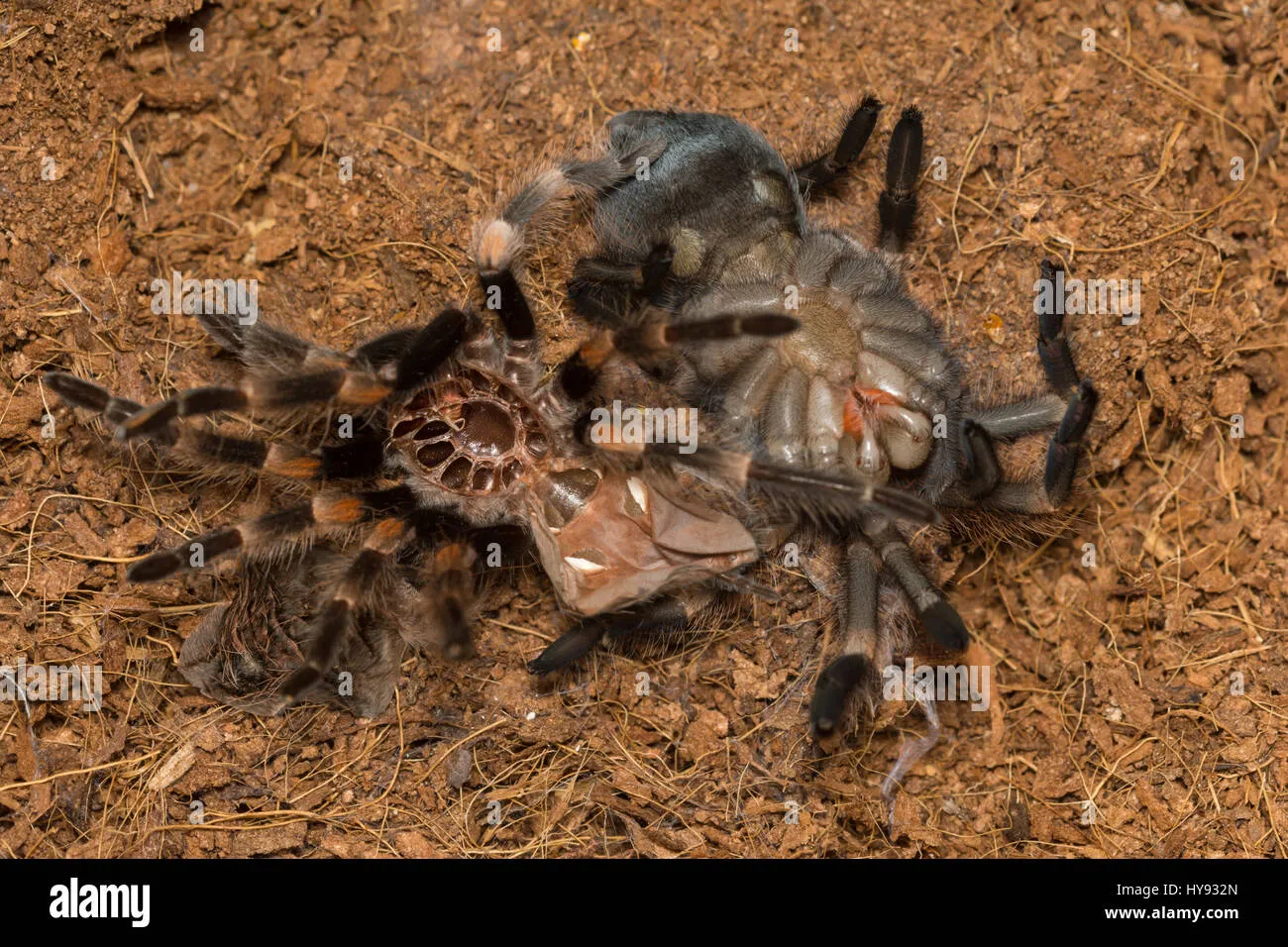
The molting process is a complex one, starting internally long before any visible changes occur. A new, soft exoskeleton begins to form underneath the old one. Enzymes are released to break down the connection between the old exoskeleton and the tarantula’s body. The tarantula will then position itself, often on its back, and through a combination of muscle contractions and fluid intake, it will split its old exoskeleton, usually along the carapace (the top part of the body) and then wriggle free. This process can take anywhere from a few minutes to several hours, depending on the size and health of the tarantula. After molting, the tarantula is incredibly vulnerable, as its new exoskeleton is soft and its fangs are also soft.
Pre-Molting Behaviors

Before a tarantula sheds its skin, it exhibits several behavioral changes that can signal an upcoming molt. Recognizing these signs is crucial for providing appropriate care and ensuring a successful molting process. These behaviors are a clear indication that the tarantula is preparing for a significant physical change, and as a responsible owner, you should be ready to support your pet during this sensitive time. The duration of pre-molt can vary, but awareness of these signs will help you prepare and assist your tarantula.
Changes in Appearance
One of the most noticeable signs is a change in the tarantula’s appearance. The abdomen, which is usually a vibrant color, may appear darker or even translucent. The bald spot on the abdomen, if present, will darken. You may also notice a distinct color change in the fangs; they might become a duller shade before the molt. These changes are due to the new exoskeleton forming beneath the old one. The tarantula’s overall appearance may seem dull or less vibrant than usual, and these visual cues are often the first indicators that molting is on the horizon.
Changes in Appetite
Another key indicator is a significant decrease or complete loss of appetite. Tarantulas preparing to molt often stop eating altogether, sometimes for several weeks or even months. This is because they need to conserve energy for the molting process. If your tarantula refuses food, especially if it’s showing other pre-molting signs, don’t be alarmed. This is a common and natural part of the molting cycle. Do not force-feed the tarantula, as this can stress it and potentially interfere with the molting process. Ensure fresh water is always available.
Creating the Right Environment

Creating a suitable environment is critical to ensuring your tarantula successfully sheds its skin. The right conditions will minimize stress and support the molting process. A well-prepared enclosure can significantly improve the odds of a healthy molt. These steps will contribute to a smooth and safe molting experience for your tarantula, which can have a positive impact on its overall health and well-being. Preparation can make all the difference.
Humidity and Temperature
Maintaining the correct humidity and temperature levels is essential. Most tarantulas thrive in a moderately humid environment, typically between 60% and 80% humidity. Use a hygrometer to monitor humidity. Temperature should be maintained within the tarantula’s preferred range, often between 75°F and 85°F (24°C to 29°C). Proper humidity helps the old exoskeleton split and makes the molting process easier. Too little humidity can lead to a stuck molt, while excessively high humidity can cause other health issues. Regular misting or providing a water dish are helpful ways to maintain humidity.
Providing a Safe Space
Ensure your tarantula’s enclosure is free from potential hazards. Remove any sharp objects or decorations that could injure the tarantula during the molting process. Provide a substrate that is deep enough for the tarantula to burrow if it chooses, as this can help it to molt in a more secure and comfortable environment. Make sure the enclosure is also stable and won’t tip over. During this vulnerable time, a secure and undisturbed environment is critical. Minimal handling and disturbance are highly recommended to reduce stress. A well-prepared enclosure provides the tarantula with the best possible chance for a successful molt.
During the Molt

During the molting process itself, it’s important to observe from a distance and avoid any interference. The tarantula will typically lie on its back (although this is not always the case), and the exoskeleton will split. This is a critical and vulnerable time. Your main role is to maintain the environment and ensure your tarantula is undisturbed. This requires patience and a hands-off approach, allowing the tarantula to complete the process naturally, without any interference that could potentially harm it. Providing support means knowing when to step back and let nature take its course.
What to Expect
The molting process can be a dramatic sight. The tarantula will begin to split its exoskeleton, usually along the carapace. It will then slowly extract itself from the old skin, often using its legs to push and pull. The entire process can take anywhere from a few minutes to several hours. Once the tarantula is free of its old exoskeleton, it will appear very soft and pale. The new fangs and all internal organs are also soft and vulnerable. It is very important to avoid disturbing the tarantula during this phase.
How Long Does Molting Take
The duration of the molting process varies depending on the tarantula’s size, age, and overall health. Smaller, younger tarantulas might molt relatively quickly, while larger, older tarantulas can take significantly longer. The actual shedding process can take anywhere from 15 minutes to several hours. The recovery phase, when the tarantula’s new exoskeleton hardens, can take several days or even weeks. During this period, it is crucial to maintain the correct environmental conditions and avoid any disturbances. Providing ample time and patience ensures a successful molt.
Post-Molt Care

After molting, your tarantula will be in a vulnerable state. The new exoskeleton is soft, and the fangs are also fragile. Appropriate post-molt care is crucial to help the tarantula recover and thrive. This includes providing the right diet, handling with care, and observing for any potential issues. Careful management during this period helps your tarantula regain its strength and ensures it transitions smoothly back to its normal activity.
Feeding Your Tarantula
Do not offer food immediately after molting. The tarantula’s fangs are soft, and it needs time for its exoskeleton to harden. Wait at least a week, or until the fangs have fully hardened, before offering food. Start with smaller prey items, such as small crickets or mealworms, to avoid overwhelming your tarantula. Observe whether it eats with enthusiasm, and gradually increase the size and quantity of the prey as the tarantula regains its strength. Providing a varied diet with appropriate prey sizes ensures the tarantula gets the nutrients it needs to recover and grow.
Handling Precautions
Avoid handling your tarantula for at least a week or two after it molts. The new exoskeleton is soft and easily damaged. Even a small fall could severely injure the tarantula. After the exoskeleton has fully hardened, handle with extreme caution, as tarantulas can be unpredictable. Always handle your tarantula over a soft surface, such as a bed or a low table, to minimize the risk of injury if it falls. Careful handling promotes the safety of both the tarantula and the owner.
Common Issues During Molting

While molting is a natural process, problems can sometimes arise. Recognizing these issues early can help prevent serious complications. Knowing what to look for can help you react swiftly, possibly saving your tarantula’s life. Being observant can enable you to seek professional help promptly and possibly mitigate potential risks. Early recognition and response can often make a significant difference in the outcome.
Stuck Molt
A stuck molt occurs when the tarantula cannot fully shed its exoskeleton. This can be caused by low humidity, improper environmental conditions, or health issues. If you notice your tarantula struggling to molt and it has been trying for an extended period (e.g., more than 24 hours), it may have a stuck molt. This is a serious condition that can be fatal. If you suspect a stuck molt, gently increase humidity in the enclosure. If the problem persists, consult with a veterinarian or an experienced tarantula keeper. Intervention might be necessary to save your tarantula. Early detection and swift action are crucial to address this life-threatening problem.
Limb Loss
Sometimes, during the molting process, a tarantula might lose a limb. This can happen if the old exoskeleton doesn’t split properly, or if a limb gets stuck. Although alarming, tarantulas can regenerate lost limbs over several molts. After a molt, the regenerated limb will be smaller and lighter than the original. Provide a well-balanced diet to support the tarantula’s regeneration process. While losing a limb is a concern, the tarantula will gradually recover with proper care and nutrition. It might take a few molts for the new limb to return to its original size.
Conclusion

Tarantula shedding is a fascinating and essential process for these amazing creatures. Understanding the molting cycle, providing the right environment, and knowing what to expect can ensure a successful molt. By paying close attention to your tarantula’s behaviors and providing proper care, you can help it thrive. With careful observation and proactive measures, you can support your tarantula through this essential life stage, ensuring it continues to grow, regenerate, and live a long, healthy life. Molting is a testament to the resilience and adaptability of these incredible animals.