What Factors Influence Tarantula Size?
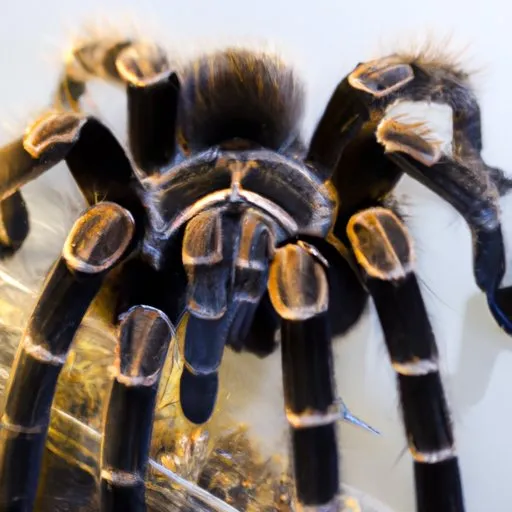
Tarantulas, those fascinating arachnids, come in a surprising range of sizes. The question of how big they can get is multifaceted, depending on a combination of factors. Understanding these elements is key to appreciating the diversity within the tarantula family and providing proper care. Several key aspects play a crucial role in determining the ultimate size of a tarantula, including genetics, diet, environmental conditions, and molting cycles. Each of these elements can significantly impact how large a tarantula will grow, making the journey of raising a tarantula a captivating study in biology and animal husbandry. The size a tarantula can achieve is not just a matter of chance; it’s a carefully orchestrated outcome of nature and nurture working in tandem.
Species and Size Variations
One of the most significant determinants of a tarantula’s size is its species. Different species exhibit vastly different growth potentials. Some, like the Goliath Birdeater, are renowned for their impressive size, while others remain relatively small throughout their lives. The genetic blueprint of each species dictates its maximum potential size. This inherent variation is a cornerstone of the tarantula world, influencing everything from habitat preferences to dietary needs. Therefore, when considering the size of a tarantula, it’s essential to first identify the specific species. This initial step offers a critical baseline for understanding the growth trajectory and size expectations for your particular tarantula.
The Goliath Birdeater (Theraphosa blondi)

The Goliath Birdeater, scientifically known as Theraphosa blondi, holds the title of the world’s largest tarantula, showcasing the upper limits of tarantula size. These giants can have a leg span of up to 12 inches, with some exceptional individuals exceeding this measurement. The Goliath Birdeater’s size is not just about its impressive leg span; its robust body contributes significantly to its overall bulk. This species exemplifies the size potential within the tarantula family. However, the Goliath Birdeater is not just known for its size; it also possesses unique characteristics that differentiate it from other tarantulas, including its temperament and care requirements. The Goliath Birdeater stands as a testament to the incredible diversity found within the tarantula world.
Other Large Tarantula Species
Beyond the Goliath Birdeater, several other tarantula species can reach substantial sizes. The Pinkfoot Goliath (Theraphosa apophysis), the Brazilian Giant Blonde (Lasiodora parahybana), and the Salmon Pink Birdeater (Lasiodora striata) are among the largest tarantula species. These species boast impressive leg spans, rivaling or closely approaching those of the Goliath Birdeater. Each of these species has its unique characteristics, including color patterns, temperament, and preferred habitats. While not as massive as the Goliath Birdeater, these tarantulas still present a significant size, making them popular choices among tarantula enthusiasts. Understanding the specific size potential of these species is crucial for providing adequate housing and care.
Diet and Nutrition for Optimal Growth
Diet and nutrition are critical elements influencing a tarantula’s growth and size. A well-balanced diet provides the necessary nutrients to support their development, ensuring they reach their full size potential. Tarantulas primarily feed on insects in the wild and in captivity. The type and amount of food offered, as well as its nutritional value, will significantly impact the tarantula’s growth rate and overall health. Ensuring a diverse diet, including a variety of insects, provides essential proteins, fats, and vitamins crucial for healthy development. Therefore, providing the right nutrition is essential for a tarantula’s growth.
Feeding Regimen for a Growing Tarantula

Creating a suitable feeding regimen is fundamental to supporting a tarantula’s growth. The frequency of feeding should be adjusted according to the tarantula’s age and stage of development. Young tarantulas, particularly spiderlings, require more frequent feeding to fuel their rapid growth. Adult tarantulas, on the other hand, generally require less frequent feeding. Overfeeding can lead to health issues, while underfeeding can stunt growth. Proper feeding involves not only the frequency of meals but also the size and type of prey offered. Always provide prey items that are appropriately sized for the tarantula to avoid stress and ensure successful feeding. A well-planned feeding schedule contributes to the tarantula’s overall health and growth.
How Diet Impacts Size
The composition of a tarantula’s diet has a direct impact on its size. A diet rich in essential nutrients, including protein, vitamins, and minerals, provides the building blocks for growth. The quality of food plays a pivotal role. For instance, offering insects that are gut-loaded (fed nutritious foods before being given to the tarantula) enhances the nutritional value of the meal. Conversely, a diet deficient in essential nutrients can limit the tarantula’s growth, leading to a smaller size than its genetic potential. Providing a well-balanced, nutritious diet ensures that the tarantula has the necessary resources to maximize its size potential, making diet one of the most important factors in influencing the size of your pet tarantula.
Environmental Factors Affecting Size
Environmental conditions play a vital role in determining a tarantula’s size. The temperature, humidity, and the size of the enclosure can all influence the tarantula’s growth and overall health. Creating an appropriate environment is essential to ensure that the tarantula thrives and reaches its full size potential. Suboptimal conditions can stress the tarantula and impede its growth, whereas a well-maintained habitat supports healthy molting cycles and overall development. Paying close attention to these environmental factors is key to successful tarantula keeping.
Temperature and Humidity

Temperature and humidity levels directly impact a tarantula’s growth and well-being. Most tarantula species thrive within specific temperature and humidity ranges. Maintaining the correct temperature aids in metabolism and molting processes, allowing the tarantula to grow effectively. Humidity levels are crucial for the molting process; insufficient humidity can lead to molting problems. The ideal range depends on the specific species. Monitoring and maintaining the right temperature and humidity levels is essential to create a comfortable environment that supports healthy growth and overall health.
Enclosure Size and Its Impact
The size of the enclosure also affects a tarantula’s growth. A tarantula should have ample space to move and molt comfortably. A cramped enclosure can lead to stress and potentially stunt growth. As tarantulas grow, they will need larger enclosures to accommodate their increasing size. Providing an appropriate enclosure size, especially as the tarantula develops, ensures it can move freely and molt without hindrance. Regularly monitoring the enclosure size and upgrading as necessary supports healthy development.
Molting and Growth Stages
Tarantulas grow by molting, shedding their exoskeleton to reveal a new, larger one. The molting process is a critical aspect of tarantula growth. During molting, the tarantula becomes vulnerable, making the environment’s condition even more crucial. The frequency of molting varies depending on the tarantula’s age, species, and environmental factors. Understanding the molting process and its role in growth is vital for any tarantula keeper.
Understanding the Molting Process

Molting is a complex process where the tarantula sheds its exoskeleton. Before molting, the tarantula will typically prepare by ceasing to eat, and sometimes by laying on its back. The process involves the tarantula pushing out of its old exoskeleton, revealing a new, larger one underneath. After molting, the tarantula’s new exoskeleton is soft and vulnerable. The tarantula needs time to harden its new exoskeleton. Understanding the molting process is essential to provide adequate care and minimize stress. Creating a suitable environment that is humid and undisturbed helps the tarantula through molting.
How Often Do Tarantulas Molt?
The frequency of molting decreases as tarantulas mature. Spiderlings and juvenile tarantulas molt more frequently, sometimes every few months, to accommodate their rapid growth. As they reach adulthood, molting frequency decreases, often to once a year or even less. The molting frequency can vary based on factors like diet, temperature, and humidity, but is primarily dependent on age. Monitoring the molting cycles helps to gauge the tarantula’s development and overall health. Knowing the molting patterns allows keepers to provide appropriate care and support the tarantula’s growth journey.
Lifespan and Size Correlation
The lifespan of a tarantula also plays a significant role in determining its potential size. Female tarantulas generally live longer than males. Female tarantulas have more opportunities to molt and grow over their extended lifespans, leading to larger sizes. Male tarantulas, reaching maturity faster, have shorter lifespans. The longer a tarantula lives, the more opportunities it has to molt and increase in size. This correlation between lifespan and size is a noteworthy aspect of tarantula biology, highlighting the importance of understanding the life cycle when considering a tarantula’s ultimate size.
Male vs. Female Tarantulas Size Differences

There are size differences between male and female tarantulas. As mentioned earlier, female tarantulas tend to grow larger than males. This difference is attributable to the longer lifespans of females. Male tarantulas often reach maturity more quickly. Therefore, males have fewer molts and less time to grow. Observing these distinctions is critical. The variations in size between the sexes are a natural facet of tarantula biology and must be considered. Knowing the characteristics of each gender can aid in providing appropriate care and meeting the specific needs of your tarantula.
What to Expect as Your Tarantula Grows
Watching a tarantula grow is a fascinating experience, and it’s important to have realistic expectations. The journey of raising a tarantula involves consistent care, observation, and understanding its needs. Tarantulas grow at different rates depending on their species, diet, and environment. Being patient is critical. Each molt brings a new opportunity for growth, and the size increases gradually over time. Providing the correct habitat, balanced diet, and environmental conditions sets the stage for your tarantula to thrive and reach its full potential. Enjoy the process. As your tarantula grows, you will get to witness a wonderful life cycle.
In conclusion, the size of a tarantula is influenced by a complex interplay of genetic factors, diet, environmental conditions, and the tarantula’s life cycle. Understanding these variables is crucial for tarantula keepers. By providing the right care, from a species-appropriate diet and environmental conditions to proper enclosure size, you can help your tarantula thrive and reach its potential. The fascinating world of tarantulas offers a captivating look into the wonders of nature. As you observe your tarantula growing and molting, you will gain a deeper appreciation for these amazing creatures and the process of life itself. Happy tarantula keeping!