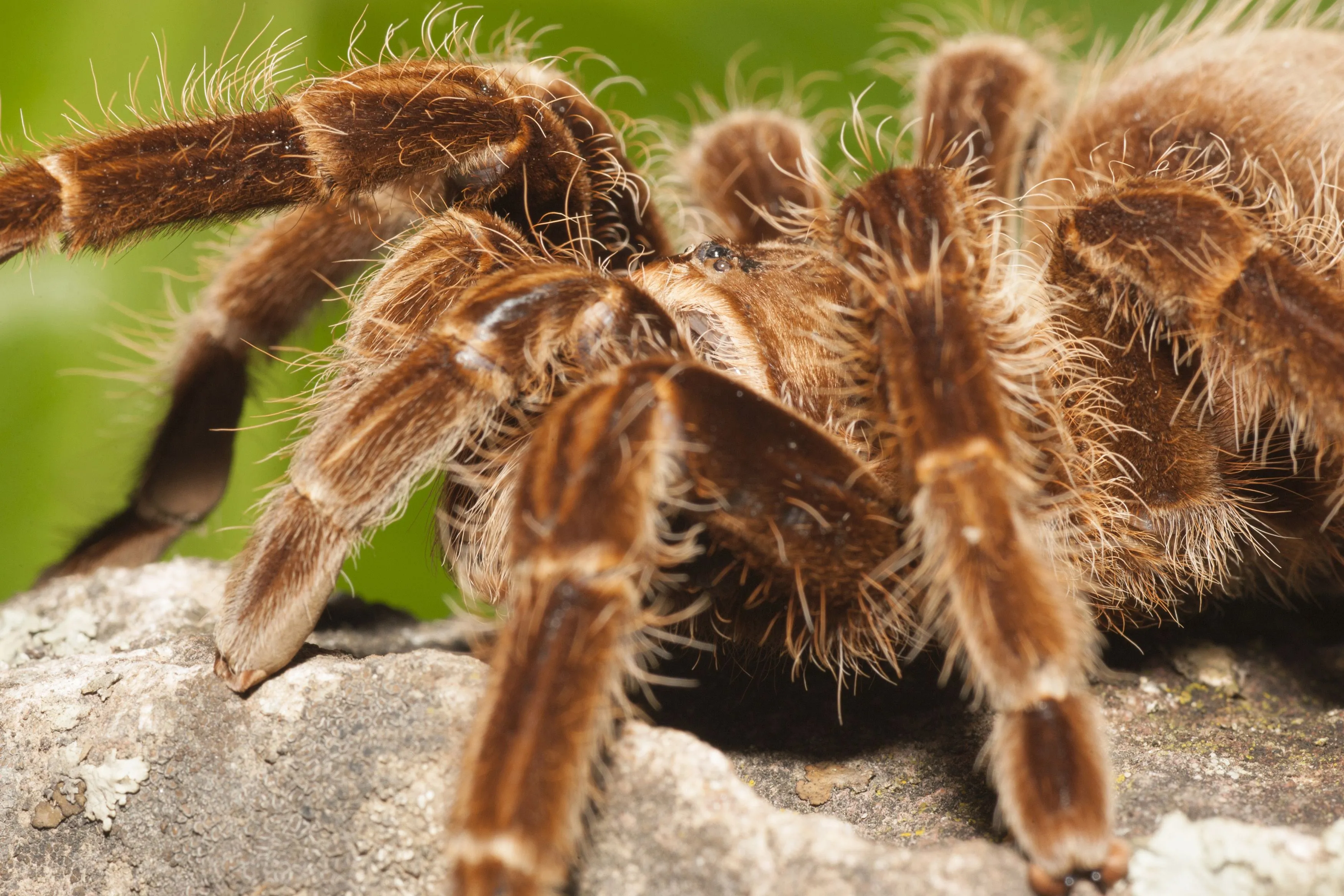
Understanding Tarantula Species
Choosing the right tarantula species is a crucial step in ensuring a rewarding and enjoyable experience for both you and your eight-legged friend. With hundreds of different species available, each possessing unique characteristics, it’s essential to conduct thorough research and consider various factors before making a decision. This guide will provide you with the necessary information to make an informed choice, considering your experience level, lifestyle, and resources. Understanding the diverse world of tarantulas starts with recognizing that not all species are created equal; some are better suited for beginners, while others require advanced care and handling techniques. This knowledge forms the foundation for a successful tarantula ownership journey, minimizing potential challenges and maximizing the chances of a positive outcome.
What to Consider Before Getting a Tarantula
Before you bring a tarantula home, several key factors must be assessed to ensure you are prepared to provide the appropriate care. This involves self-reflection on your experience, lifestyle, and financial resources. Careful consideration of these aspects will prevent potential difficulties and guarantee the tarantula’s well-being.
Experience Level

Your prior experience with pets, particularly exotic ones, is a significant determinant. Beginners should start with docile, hardy species known for their ease of care. Experienced keepers may opt for more challenging species with specific environmental needs or potentially more defensive temperaments. If you’re new to tarantulas, avoid species known for their potent venom or defensive behaviors. Start simple to gain confidence and understanding of tarantula husbandry.
Lifestyle and Time Commitment
Tarantulas require regular, albeit relatively simple, care. Consider your lifestyle, including how much time you can dedicate to feeding, watering, and cleaning the enclosure. Some species are more active than others, and their needs may vary. If you travel frequently, you’ll need a reliable caretaker to ensure your tarantula’s well-being. Consider the long-term commitment; tarantulas can live for several years, and some females can live for over 20 years.
Space Requirements
Tarantulas require appropriately sized enclosures. The size of the enclosure will vary depending on the species and the size of the individual tarantula. Consider the available space in your home, and research the specific requirements of the species you are interested in. A well-sized enclosure is crucial for the tarantula’s physical and psychological well-being, allowing it to move, hunt, and establish a territory.
Budget Considerations

The initial cost of acquiring a tarantula, its enclosure, and supplies can vary. Furthermore, there are ongoing expenses for food, substrate, and potential veterinary care. Research the average costs associated with the species you are considering and budget accordingly. Don’t forget to factor in the costs of heating, lighting, and any specialized equipment your chosen species may require. A well-planned budget ensures you can provide the best possible care without financial strain.
Popular Tarantula Species for Beginners
For those new to the world of tarantulas, certain species are highly recommended due to their docile temperaments, hardiness, and relatively straightforward care requirements. These tarantulas are less likely to bite or flick urticating hairs, making them ideal for beginners to learn the fundamentals of tarantula husbandry.
The Chilean Rose Hair Tarantula
The Chilean Rose Hair (Grammostola rosea) is often the top choice for beginners. These tarantulas are known for their gentle disposition, slow movements, and tolerance of a wide range of environmental conditions. They are relatively inexpensive and readily available. Their docile nature makes them easy to handle (though handling should be minimized), and they are less prone to defensive behaviors. The Chilean Rose Hair’s lifespan can reach 20 years for females, providing a long-term companionship opportunity.
The Mexican Red Knee Tarantula

The Mexican Red Knee (Brachypelma hamorii) is another popular beginner choice. Their striking red and black markings and docile temperament make them aesthetically appealing and relatively easy to care for. They are slightly more active than the Chilean Rose Hair but generally remain calm. They are also known for their longevity, with females living for over 25 years. Mexican Red Knees are slightly more sensitive to humidity and require specific care to ensure healthy molting cycles.
The Pinktoe Tarantula
The Pinktoe Tarantula (Avicularia avicularia) offers a different experience for beginners. They are arboreal (tree-dwelling) species, requiring a vertically oriented enclosure. Pinktoes are known for their vibrant colors and relatively docile nature. They are generally less defensive than terrestrial species, but they can be skittish and quick, making careful handling essential. They require higher humidity levels than other beginner species, providing an opportunity to learn about humidity management. Their lifespan ranges from 8-12 years.
Intermediate Tarantula Species
Once you’ve gained experience with beginner species, you might consider intermediate choices. These tarantulas typically have more specific environmental requirements or may exhibit more pronounced defensive behaviors. Researching species and understanding their needs becomes crucial to ensuring their well-being.
The Costa Rican Zebra Tarantula

The Costa Rican Zebra Tarantula (Aphonopelma seemanni) is known for its striking black and white stripes, is a good step-up species. They are generally calm but can be quick to flick hairs when threatened. They tolerate a wider range of humidity levels than some other species but need consistent moisture. Their care provides a challenge to the knowledge of handling and the sensitivity of the environment.
The Trinidad Olive Tarantula
The Trinidad Olive Tarantula (Holothele incei) is a small, fast-growing species that offers a unique experience. They are often more active than larger tarantulas, and the females’ colors are striking. They are a good option if you want to experience a more active tarantula. It requires slightly more humid conditions than other species.
Advanced Tarantula Species
Advanced tarantula keepers often explore species with potent venom, highly defensive temperaments, or specialized care needs. These choices require extensive research, experience, and a thorough understanding of tarantula behavior and biology. If considering these species, always prioritize your safety and the well-being of the tarantula.
The Goliath Birdeater Tarantula

The Goliath Birdeater (Theraphosa blondi) is the world’s largest tarantula, presenting a unique challenge for experienced keepers. They are known for their size, defensive behaviors, and potent urticating hairs. They require large enclosures, specific humidity and temperature gradients, and a readily available food supply. Their venom, though not lethal to humans, can cause significant pain. Handling should be avoided unless absolutely necessary.
The Cobalt Blue Tarantula
The Cobalt Blue Tarantula (Cyriopagopus lividus) is renowned for its striking metallic blue coloration, but also for its highly defensive nature and potent venom. They are fast, aggressive, and prone to biting. They require specialized enclosures with deep substrate for burrowing, high humidity, and specific temperature ranges. They are not recommended for beginners, and their care requires a high degree of expertise and caution.
Tips for Choosing the Right Tarantula
Selecting the right tarantula species is a critical decision. Careful consideration of the tarantula’s characteristics, your experience level, and the commitment required is essential for a positive outcome. Understanding these factors will help you enjoy the experience of owning a tarantula and the fulfillment that comes from providing them with optimal care.
Researching Species Characteristics

Thoroughly research the tarantula species you are interested in. Understand its size, lifespan, temperament, environmental requirements (temperature, humidity, and substrate), and feeding habits. Many online resources, books, and experienced keepers can provide this information. Pay attention to the species’ defensive mechanisms, venom potency, and overall disposition. The more you know about a species, the better prepared you will be to care for it.
Health and Temperament
Before purchasing a tarantula, assess its health and temperament. Look for a tarantula that is active, alert, and well-fed. Avoid tarantulas that appear lethargic, emaciated, or have any visible signs of illness or injury. Observe the tarantula’s behavior; some species are more defensive than others. The temperament is an important factor when considering handling or overall interaction with the tarantula. While some species are known for their docility, others are more prone to defensive behaviors and should only be handled by experienced keepers.
Acquiring a Tarantula
Once you’ve chosen a species, acquiring your tarantula is the next step. Careful selection of the source of your tarantula is essential for the health and well-being of your new pet.
Where to Buy Tarantulas

Purchase tarantulas from reputable breeders or pet stores. Breeders can provide detailed information about the tarantula’s lineage, health, and care history. Pet stores should prioritize the health and welfare of their animals. Avoid purchasing tarantulas from unverified sources, as they may be more likely to have health problems or exhibit undesirable behaviors. Ensure that the tarantula is properly identified and labeled with its scientific name.
Quarantine and Acclimation
Upon acquiring your tarantula, quarantine it for a period of time. Isolate the new tarantula in its enclosure and observe it closely for any signs of illness or parasites. Provide appropriate environmental conditions. Gradually acclimate the tarantula to its new environment. Allow the tarantula to settle in and adjust to its new surroundings before attempting any handling. Make sure to provide it with fresh water and food, and avoid disturbing it unnecessarily during the initial settling-in period. This process ensures a smoother transition and minimizes stress.
Conclusion
Choosing the right tarantula species is an important decision. This guide has offered essential information about tarantulas. Remember to prioritize the tarantula’s welfare and your own safety throughout the process. By carefully considering all the factors outlined in this guide, you can confidently select a tarantula species that complements your experience, lifestyle, and resources. With proper research, preparation, and care, you can enjoy the fascinating world of tarantulas.