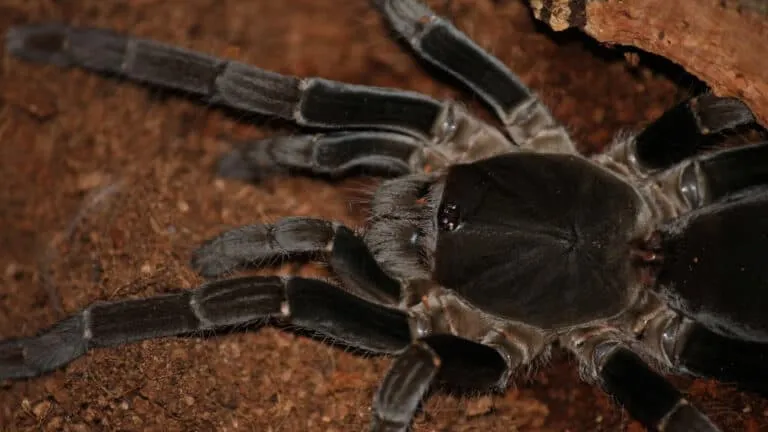
The World of Tarantula Species
Tarantulas, belonging to the Theraphosidae family, are among the largest spiders on Earth. With over 900 recognized species, the diversity within this group is astounding. These fascinating creatures inhabit a wide range of environments, from tropical rainforests to arid deserts, showcasing remarkable adaptations to survive. Understanding the variety of tarantula species is crucial for appreciating their ecological roles and ensuring their conservation. This guide delves into the fascinating world of tarantulas, providing essential facts about their classification, behavior, and conservation.
Diversity of Tarantula Species
Tarantulas are broadly categorized into two main groups based on their geographical origins New World and Old World tarantulas. This classification significantly impacts their behavior, venom potency, and overall characteristics. The differences between these groups are not just geographical; they also reflect evolutionary adaptations to their respective environments. Exploring these distinctions provides a deeper understanding of the tarantula family and its incredible diversity.
New World Tarantulas

New World tarantulas originate from North and South America. They are typically known for their urticating hairs, which they flick off their abdomens as a defense mechanism. These hairs cause irritation upon contact, deterring potential predators. Their temperament is generally considered less aggressive than their Old World counterparts, making them popular choices for beginner tarantula keepers. Examples include the Chilean Rose Hair Tarantula (Grammostola rosea) and the Mexican Redknee Tarantula (Brachypelma hamorii). These species often display a range of beautiful colors and patterns, adding to their appeal. (Image: new-world-tarantula.webp)
Old World Tarantulas
Old World tarantulas come from regions in Africa, Asia, and Australia. Unlike New World species, they lack urticating hairs, relying instead on more potent venom and sometimes, a more aggressive temperament. They often possess more potent venom and can be quicker to bite if threatened. Examples include the Asian Earth Tiger Tarantula (Haplopelma hainanum) and the Goliath Birdeater (Theraphosa blondi), one of the largest tarantula species. These tarantulas are known for their impressive size and striking appearances, but they generally require experienced keepers due to their defensive behaviors. (Image: old-world-tarantula.webp)
Key Differences Between Tarantula Species
Several key characteristics distinguish various tarantula species. These include variations in venom potency, size and appearance, habitat preferences, and behavioral traits. These differences dictate how these spiders survive, interact with their environment, and are perceived by both predators and keepers. Recognizing these distinctions is vital for proper care and appreciation of the individual needs of each species. Understanding these aspects enhances the overall understanding of tarantulas.
Venom Potency and Toxicity

Venom potency varies significantly across tarantula species. Old World tarantulas, in general, tend to have more potent venom than New World species. While tarantula venom is rarely lethal to humans, it can cause localized pain, muscle cramps, and other unpleasant symptoms. The toxicity depends on the species, the amount of venom injected, and the individual’s sensitivity. Understanding the venom potency of a particular species is essential for responsible handling and care. It’s crucial to seek medical attention if severe symptoms occur after a bite. The venom is used by the spiders to immobilize prey.
Size and Appearance
Tarantulas exhibit a wide range of sizes and appearances. Some species, like the Goliath Birdeater, can have a leg span of up to 12 inches, making them the largest spiders in the world. Others, such as some of the smaller dwarf species, are considerably smaller. Appearance also varies greatly, with colors ranging from earthy browns and blacks to vibrant oranges, reds, and blues. The size and coloration of a tarantula are often influenced by its habitat, diet, and genetic makeup. These physical traits play a vital role in their survival and mating success. (Image: tarantula-diversity.webp)
Habitat and Behavior
Tarantulas have adapted to a variety of habitats, influencing their behavior. Understanding their natural environment is key to providing appropriate care in captivity. Habitat and behavior are intricately linked; therefore, the environment has a huge impact on their way of life. Whether they burrow, live in trees, or wander the forest floor, each species displays unique characteristics.
Natural Habitats of Tarantulas

Tarantulas can be found in diverse habitats, including tropical rainforests, grasslands, deserts, and even urban areas. Their habitat preferences are dictated by factors such as temperature, humidity, and the availability of prey. Some species are terrestrial, living on the ground, while others are arboreal, residing in trees. Some burrow deep within the earth, creating elaborate tunnel systems. Recognizing the natural habitat of a tarantula species helps to replicate its environment in captivity. (Image: tarantula-habitat.webp)
Burrowing vs Arboreal Species
Tarantulas can be broadly categorized into burrowing and arboreal species, reflecting their preferred living styles. Burrowing tarantulas dig and live in burrows underground, where they ambush prey. Arboreal tarantulas, on the other hand, live in trees and other elevated locations. This influences the setup requirements in captivity, with burrowing species needing deep substrate for digging, and arboreal species requiring climbing structures. Understanding the behavior of burrowing vs. arboreal tarantulas is key to recreating their natural environment.
Diet and Feeding Habits
Tarantulas are primarily carnivorous, feeding on insects and other invertebrates. Their diet and feeding habits vary depending on the species, size, and age of the spider. Providing the correct food and frequency is critical for maintaining a healthy tarantula. Proper nutrition supports their growth, molting, and overall well-being.
Common Prey

The diet of a tarantula primarily consists of insects like crickets, roaches, mealworms, and other invertebrates. Larger species can consume small vertebrates, such as small lizards or mice. The size of the prey should be appropriate for the tarantula’s size; too large or too small of prey can be problematic. Variety in the diet can help ensure that the tarantula receives a wide range of nutrients. Always ensure that the prey is healthy and free from pesticides.
Feeding Frequency
Feeding frequency depends on the tarantula’s age and species. Spiderlings need to be fed more often than adult tarantulas, sometimes multiple times a week. Adult tarantulas can be fed once or twice a week, or even less frequently. Overfeeding can be detrimental, leading to health problems and a shortened lifespan. The best approach is to observe the tarantula’s feeding habits and adjust the frequency accordingly. The tarantula’s abdomen size can also provide clues on if it is well fed.
Lifespan and Growth
Tarantulas have a relatively long lifespan, especially compared to other invertebrates. Their growth and longevity are influenced by several factors, including species, diet, and environmental conditions. Understanding their life cycle helps in providing the right care and appreciating their unique characteristics.
Molting Process

Tarantulas grow by molting, shedding their exoskeleton to accommodate their increasing size. Molting is a vulnerable time for tarantulas, as their new exoskeletons are soft and susceptible to injury. The molting process can take several hours or even days, depending on the species and the spider’s size. During molting, the tarantula typically lies on its back and gradually extracts itself from its old exoskeleton. After molting, it needs time to harden its new exoskeleton. (Image: tarantula-molting.webp)
Lifespan Variations
The lifespan of tarantulas varies greatly depending on the species and sex. Female tarantulas generally live much longer than males, sometimes up to 20-30 years or more. Male tarantulas often reach maturity faster and have a shorter lifespan, typically living only a few years after reaching adulthood. Environmental factors, such as proper care and diet, can also influence the lifespan of a tarantula. The long lifespans of some tarantula species contribute to their appeal as pets.
Conservation Status
Many tarantula species face threats in the wild, making conservation efforts crucial. Habitat loss, overcollection for the pet trade, and climate change are some of the primary factors impacting their populations. Raising awareness about the conservation status of tarantulas is essential for protecting these fascinating creatures.
Threats to Tarantula Species

Tarantulas face a range of threats in their natural habitats. Habitat destruction due to deforestation and urbanization is a major concern. Overcollection for the pet trade can deplete wild populations. Climate change and the associated changes in weather patterns also pose threats to their survival. Pesticide use and pollution further contribute to their declining populations. Understanding these threats is essential for implementing effective conservation strategies.
Conservation Efforts
Various conservation efforts are underway to protect tarantula species. These efforts include habitat preservation, sustainable pet trade practices, and public education initiatives. Captive breeding programs help reduce the pressure on wild populations by providing a sustainable source of tarantulas for the pet trade. Supporting conservation organizations and responsible pet ownership are essential steps in protecting these amazing arachnids. (Image: tarantula-conservation.webp)
Top 7 Fascinating Facts About Tarantula Species
Here are seven fascinating facts that showcase the amazing characteristics of tarantulas.
Fact 1 The Variety of Colors
Tarantulas come in a stunning array of colors and patterns, from the vibrant blues and reds of some New World species to the more muted browns and blacks of others. These colors can serve different purposes, including camouflage, attracting mates, and warning predators. The diversity in coloration makes tarantulas some of the most visually appealing arachnids.
Fact 2 Their Silk Production
Tarantulas produce silk, which they use for a variety of purposes, including building shelters, creating egg sacs, and lining their burrows. This silk is incredibly strong and versatile, and the tarantulas use it to create a safe environment for themselves and their offspring. They can even use silk to create tripwires around their burrows to detect prey.
Fact 3 Their Defense Mechanisms
Tarantulas have evolved several defense mechanisms to protect themselves from predators. New World tarantulas have urticating hairs that irritate skin and eyes, while Old World tarantulas rely on their potent venom and quick reflexes. Some species will also hiss or raise their front legs in a threatening posture when they feel threatened. These defenses are essential for their survival.
Fact 4 Their Size
Tarantulas are among the largest spiders in the world, with some species having leg spans of over 10 inches. This impressive size allows them to hunt larger prey and dominate their environments. The size of a tarantula is also a factor in its appeal, with many people fascinated by their imposing presence.
Fact 5 Their Longevity
Female tarantulas can live for many years, sometimes exceeding 20 or even 30 years in captivity. This long lifespan makes them appealing pets for those seeking a long-term companion. Their longevity is a testament to their ability to thrive in a variety of environments, with proper care.
Fact 6 The Molting Process
Molting is a unique process where a tarantula sheds its exoskeleton to grow. This process can take several hours or even days. During this time, the tarantula is very vulnerable. The molting process is also important for regeneration, and molting helps them to get rid of parasites. The molting process is essential for their growth and overall health.
Fact 7 Their Nocturnal Nature
Most tarantulas are nocturnal, meaning they are most active at night. This behavior helps them avoid predators and hunt their prey under the cover of darkness. Their nocturnal habits also allow them to regulate their body temperature, as they can avoid the heat of the day. The tarantula’s nocturnal nature is a key factor in their survival.