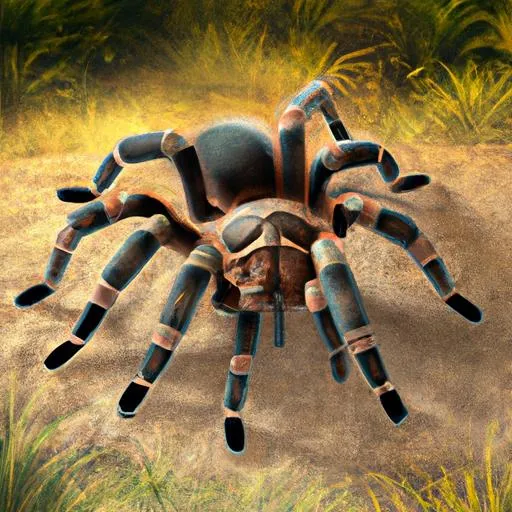
What is a Tarantula Spider
Tarantulas are large, hairy spiders belonging to the Theraphosidae family. These fascinating creatures are known for their impressive size, often boasting leg spans that can exceed a foot in some species. They are found in various habitats around the world, mainly in tropical and subtropical regions. Tarantulas are generally nocturnal hunters, feeding on insects, and sometimes even small vertebrates. Despite their intimidating appearance, most tarantula species are not considered highly venomous to humans, and their bites are often compared to a bee sting.
Appearance and Characteristics
Size and Physical Features

One of the most striking features of tarantulas is their size. They possess eight legs, two chelicerae (mouthparts), and two pedipalps, which resemble small legs and are used for sensing and manipulating food. Their bodies are covered in hair, which serves several purposes, including sensory perception and defense. The abdomen is typically rounded, while the cephalothorax (fused head and thorax) is more compact. Their large fangs, used for injecting venom, are a key characteristic, although they are generally only used for hunting or defense.
Color Variations
Tarantulas exhibit a wide array of colors and patterns, depending on the species. Colors can range from various shades of brown and black to vibrant blues, oranges, reds, and yellows. Some species have intricate patterns on their abdomens and legs, providing excellent camouflage in their natural habitats. The coloration often serves to blend in with the environment, allowing them to ambush prey or hide from predators. Coloration can also play a role in attracting mates during the breeding season. The diversity in color makes each species unique and visually appealing.
Habitat and Distribution
Natural Habitats

Tarantulas inhabit a variety of environments, including tropical rainforests, grasslands, deserts, and even mountainous regions. Many species are terrestrial, living in burrows in the ground, while others are arboreal, residing in trees or shrubs. The habitat preferences of tarantulas depend on the species, with some preferring humid environments and others thriving in arid conditions. They are well-adapted to their respective environments, using their coloration and behavior to survive. Providing the right habitat is essential for their survival and well-being.
Global Distribution
Tarantulas are found on every continent except Antarctica. They are most diverse in the Americas, particularly in South America, with a significant presence in North America and Central America. They are also found in Africa, Asia, and Australia. Their distribution is influenced by factors like climate, vegetation, and the availability of prey. Certain species are endemic to specific regions, highlighting the importance of conserving these unique ecosystems. Understanding their global distribution helps in their conservation efforts.
Behavior and Lifestyle
Hunting and Diet

Tarantulas are primarily predators, with their diet consisting mainly of insects. They are ambush hunters, waiting patiently for prey to come within striking distance. Once a suitable target is detected, they pounce, using their fangs to inject venom that paralyzes the prey. They then use their chelicerae to grind up the food and consume the nutrient-rich fluids. Larger species can also prey on small vertebrates like lizards, rodents, and birds. Their hunting strategy is a testament to their adaptability and efficiency as predators.
Defense Mechanisms
Tarantulas have several defense mechanisms to protect themselves from predators. One common method is the use of urticating hairs, which are barbed hairs on their abdomen that they can flick toward a threat. These hairs cause intense itching and irritation upon contact. They may also bite if threatened, injecting venom through their fangs. Additionally, they can use their large size to intimidate potential predators. Some species possess defensive postures, making them appear larger and more formidable. Their defenses ensure survival in the wild.
Venom and Bites
While tarantulas are venomous, their venom is generally not considered life-threatening to humans. The effects of a bite can vary depending on the species, but often result in localized pain, swelling, and redness. Some individuals may experience muscle cramps, nausea, or other mild symptoms. It is essential to seek medical attention if symptoms are severe or if an allergic reaction occurs. It’s important to note that tarantulas usually only bite when provoked, making them relatively safe pets when handled responsibly.
Lifespan and Reproduction

Lifespan
Tarantulas have a relatively long lifespan compared to many other spiders. Females typically live much longer than males. Female tarantulas can live for 10 to 30 years, depending on the species and environmental conditions. Males, on the other hand, often live for only a few years after reaching maturity, primarily due to their role in reproduction and the stresses associated with mating. Proper care, including appropriate diet and habitat, can help tarantulas live longer, healthier lives.
Reproduction Process
The reproduction process in tarantulas is quite fascinating. Males create a sperm web and transfer sperm to their pedipalps, using them to inseminate the female. After mating, the female lays eggs in a silken egg sac, which she guards diligently. The number of eggs varies depending on the species. The spiderlings, or baby spiders, hatch from the eggs and remain with their mother for a period before dispersing to find their own territories. The entire reproductive cycle highlights the complex behavior of these creatures.
Interaction with Humans

Tarantulas as Pets
Tarantulas have become increasingly popular pets in recent years, prized for their unique appearance and relatively low-maintenance requirements. Several species are readily available for purchase, and many people enjoy observing their behavior and providing them with suitable habitats. However, it is crucial to research the specific needs of each species before acquiring a tarantula, as their care requirements can vary. Responsible pet ownership includes providing proper housing, diet, and enrichment to ensure the spider’s well-being.
Handling and Care
When keeping tarantulas as pets, proper handling and care are essential. It is generally advisable to avoid handling them unless absolutely necessary, as it can be stressful for the spider and potentially lead to a bite. If handling is required, it should be done carefully and gently, avoiding sudden movements. Provide a secure enclosure with appropriate substrate, temperature, and humidity levels. Offer a varied diet of insects and ensure a clean water source is always available. Regular cleaning and maintenance are also necessary to maintain a healthy environment. Understanding their needs is key to their well-being.
Conservation Status

Threats to Tarantulas
Tarantulas face various threats in the wild, including habitat loss due to deforestation, urbanization, and agricultural expansion. Climate change also impacts their habitats and food sources, posing significant risks. Illegal pet trade and overcollection contribute to population declines in some areas. Pesticide use and pollution can further affect tarantula populations and their prey. These threats necessitate conservation efforts to protect these fascinating creatures.
Conservation Efforts
Conservation efforts for tarantulas include habitat protection, sustainable management practices, and enforcement of wildlife trade regulations. Public awareness campaigns and educational programs can help raise awareness about the importance of tarantulas and the threats they face. Captive breeding programs can also contribute to population conservation. Support for scientific research on tarantulas is crucial for understanding their biology and ecology, which can inform conservation strategies. Protecting their habitat is key.
Fascinating Facts
Tarantulas are truly remarkable creatures, filled with fascinating characteristics. They have the ability to regenerate lost legs during molting. Some species can flick urticating hairs for defense. The size and coloration vary greatly depending on the species. They are found in diverse habitats. They play a crucial role in their ecosystems. Tarantulas’ lives are full of mystery and adaptation.