
Why Change Tarantula Substrate
Changing your tarantula’s substrate is a crucial part of responsible tarantula ownership, essential for maintaining the health and well-being of your eight-legged friend. Substrate, the material lining the bottom of your tarantula’s enclosure, serves multiple vital functions. It provides a comfortable environment for your tarantula to burrow, hide, and molt. It also helps regulate humidity, which is critical for most tarantula species. Over time, the substrate accumulates waste, uneaten food, and other debris, creating a breeding ground for bacteria, mold, and mites. Regular substrate changes prevent these issues, ensuring a clean and healthy habitat for your tarantula. Neglecting substrate maintenance can lead to serious health problems for your pet, including respiratory infections and parasitic infestations. Therefore, understanding the importance of substrate changes is the first step in providing optimal care.
Understanding the Importance of Cleanliness
Cleanliness is paramount in tarantula care, and the substrate is the primary focus. A dirty substrate can lead to a range of health issues. Decaying organic matter releases ammonia and other harmful gases. It also provides a thriving environment for bacterial and fungal growth, which can cause respiratory infections. Mites and other parasites can flourish in a dirty environment, potentially infesting your tarantula and causing considerable distress. Regular cleaning and substrate replacement are the most effective methods for maintaining a clean environment. The frequency of changes will vary depending on the tarantula species, the size of the enclosure, and the type of substrate used. However, as a general rule, you should change the substrate completely at least once or twice a year, or more frequently if you notice excessive waste or a foul odor. Spot cleaning, removing visible waste, is also essential to keep the environment as sanitary as possible.
Maintaining Humidity Levels

Humidity is a critical environmental factor for most tarantula species, directly impacting their health and molting success. The substrate plays a crucial role in maintaining the appropriate humidity levels within the enclosure. Different substrates have varying moisture-retention capabilities. Coconut fiber, for example, is known for its excellent ability to absorb and retain moisture, making it suitable for species requiring higher humidity. Sphagnum moss is another excellent option for this purpose. To maintain humidity, you should regularly mist the enclosure with dechlorinated water, the frequency depending on the species and substrate. Monitor the humidity levels using a hygrometer. Avoid over-misting, which can lead to a soggy substrate and promote mold growth. The ideal humidity range varies depending on the tarantula species, but many species thrive in 60% to 80% humidity.
Choosing the Right Substrate
Selecting the appropriate substrate is a crucial decision that significantly impacts your tarantula’s well-being. Several factors should be considered. The primary consideration is the tarantula species’ natural habitat and its humidity requirements. Species from humid environments will need substrates that retain moisture well, while those from drier regions will need drier substrates. The burrowing behavior of the tarantula is another factor; some species are avid burrowers, requiring substrates that allow them to create elaborate burrows. The substrate should be non-toxic, free of pesticides and chemicals, and provide good drainage to prevent the buildup of moisture. Common options include coconut fiber, peat moss, sphagnum moss, vermiculite, and various soil mixtures. Consider the ease of cleaning and maintenance. For instance, some substrates are easier to spot clean than others. Ultimately, the best substrate is one that replicates the tarantula’s natural environment, maintains the appropriate humidity, and supports the tarantula’s natural behaviors.
Substrate Options Explained
Coconut Fiber
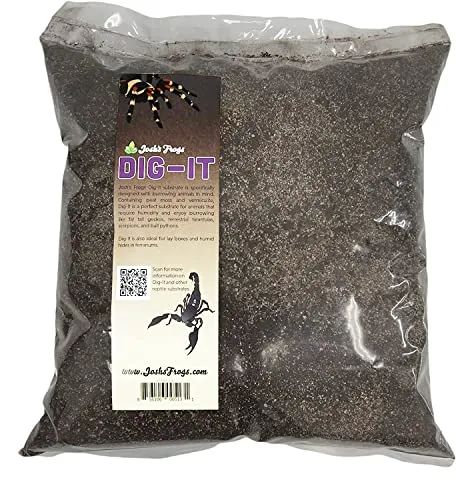
Coconut fiber, also known as coco coir, is a popular substrate choice for tarantulas due to its excellent moisture-retention properties and natural composition. It’s derived from the husks of coconuts, making it a sustainable and readily available option. Coconut fiber retains moisture effectively, making it ideal for species that require high humidity. It also provides good burrowing opportunities and is generally safe for tarantulas. The substrate is often sold in compressed bricks that expand when water is added. This expansion results in a loose, absorbent material that mimics the natural environments of many tarantula species. Coconut fiber is relatively easy to clean and replace. When using coco fiber, ensure it is thoroughly rinsed to remove any salt residue from processing.
Sphagnum Moss
Sphagnum moss is another excellent substrate choice, especially for tarantulas that require high humidity. It is a natural, absorbent material derived from the sphagnum plant. Sphagnum moss is highly effective at retaining moisture, and it can be used on its own or mixed with other substrates, such as coconut fiber, to boost humidity levels. It also provides a naturalistic look and feel to the enclosure. When using sphagnum moss, it is crucial to ensure it is free of pesticides and other chemicals. You should also monitor it for mold growth, particularly in humid environments. Replace any moldy moss immediately. Sphagnum moss provides a suitable environment for burrowing and is aesthetically pleasing.
Vermiculite and Perlite
Vermiculite and perlite are often used in tarantula enclosures to improve drainage and aeration within the substrate. Vermiculite is a naturally occurring mineral that expands when heated, becoming a lightweight, absorbent material. It is often mixed with other substrates to enhance moisture retention and aeration. Perlite is a volcanic glass that is also lightweight and porous, providing excellent drainage and preventing the substrate from becoming waterlogged. Both vermiculite and perlite are relatively inert, meaning they don’t chemically react with other substances. They are often mixed with substrates like peat moss or soil to improve drainage and create a more suitable environment for tarantulas. Use them sparingly, as a higher concentration can sometimes alter the substrate’s overall composition.
Peat Moss
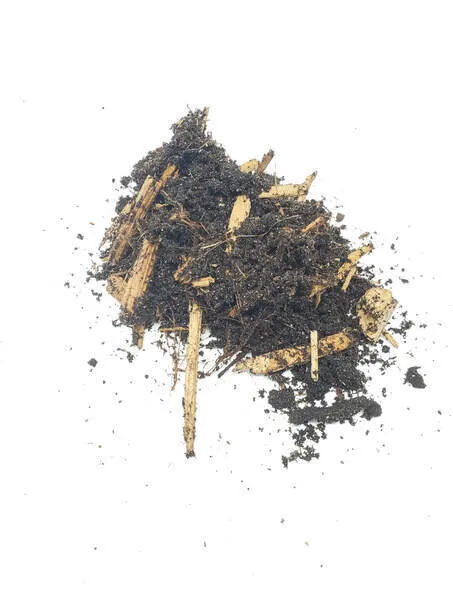
Peat moss is a popular choice for tarantula substrate. It is composed of partially decayed plant matter found in peat bogs. It is a good option for burrowing species because of its ability to hold its structure. It can hold moisture well, making it suitable for species that require moderate humidity. However, peat moss can become compacted over time, reducing its aeration properties. Mixing it with other substrates, like vermiculite or perlite, can help improve drainage and prevent compaction. Peat moss can sometimes be acidic, so it is best to use it in conjunction with other substrate components to balance the pH. Ensure the peat moss is free of any additives.
Soil Mixtures
Soil mixtures can be an excellent substrate option, particularly for species that thrive in a naturalistic environment. You can create your own soil mixtures by combining different materials, such as topsoil, sand, and organic matter. These mixtures can replicate the natural habitats of tarantulas, allowing them to burrow, hide, and exhibit natural behaviors. When using soil mixtures, it is essential to ensure that the components are free of pesticides, fertilizers, and other harmful chemicals. Sterilizing the soil before use can help eliminate potential pests and pathogens. The composition of the soil mixture should be tailored to the specific requirements of the tarantula species. For instance, species that require good drainage should have a higher sand content, while those needing more humidity will benefit from a higher organic matter content. Soil mixtures provide a varied and enriching environment for tarantulas.
Step-by-Step Guide to Substrate Replacement
Gathering Your Supplies

Before you begin, gather all the necessary supplies. This will streamline the process and make it easier to change the substrate. You’ll need a new substrate, a container for the old substrate, a clean enclosure (if you’re replacing the entire substrate), a water bowl, and any decorations you wish to replace or clean. Depending on your tarantula’s temperament and the size of the enclosure, you may also need a pair of long tongs or tweezers for handling the tarantula. Also, have a spray bottle with dechlorinated water for misting. A clean, safe workspace is essential. Having all the supplies readily available ensures a smooth and stress-free experience for both you and your tarantula.
Removing the Old Substrate
Carefully remove the old substrate. This may involve gently coaxing your tarantula into a temporary holding container if you’re doing a full substrate change. With the tarantula safely secured, or if your tarantula is in a burrow, you can begin removing the old substrate. Use a small scoop, spoon, or your gloved hands to carefully remove the substrate. Pay attention to areas where waste tends to accumulate, and be thorough. Remove all the old substrate, being careful not to disturb the tarantula’s hiding places if they are still inside the enclosure. Dispose of the old substrate properly, and be sure to clean up any spills. It is advisable to perform this task in a well-ventilated area.
Cleaning the Enclosure
Once the old substrate is removed, thoroughly clean the enclosure. Use a reptile-safe disinfectant to clean the glass or plastic surfaces. Make sure to clean the corners, sides, and any areas where waste may have accumulated. Rinse the enclosure thoroughly with clean water to remove any traces of the disinfectant. Allow the enclosure to dry completely before adding the new substrate. You may also want to clean or replace any decorations, such as hides or water dishes, at this time. A clean enclosure minimizes the risk of introducing pathogens or pests into the new environment. If you have removable hides, it’s a good practice to wash those as well using warm water and mild soap, then rinse them very well.
Adding New Substrate

After the enclosure is clean and dry, add the new substrate. The depth of the substrate will depend on the tarantula species and its burrowing habits. Generally, a depth of 2-6 inches is adequate. Ensure that the substrate is evenly distributed and that you create a suitable environment for your tarantula to thrive. If your tarantula is a burrowing species, you can provide a head start by creating a small burrow or adding a piece of cork bark for them to use as a starting point. If you’re using dry substrate, moisten it to the appropriate level for the species. Add the water dish and replace any decorations you removed. Finally, introduce the tarantula back into its clean enclosure.
Important Considerations
Humidity and Ventilation
Maintaining the correct humidity and providing adequate ventilation are crucial aspects of substrate maintenance. The substrate significantly influences the humidity levels within the enclosure. Mist the enclosure regularly with dechlorinated water to maintain the required humidity for your tarantula species. The frequency of misting will depend on the substrate and the species’ humidity needs. You should always monitor the humidity levels using a hygrometer. Proper ventilation is equally important, as it prevents the buildup of harmful gases and promotes healthy air circulation. Ensure that the enclosure has adequate ventilation, typically through vents or a screened top. Too much humidity without ventilation can lead to mold growth, while excessive ventilation can cause the enclosure to dry out too quickly. Find a balance between humidity and ventilation that suits your tarantula’s needs.
Temperature Regulation
Temperature also plays a vital role in the well-being of tarantulas. Most tarantula species require a specific temperature range to thrive. The substrate doesn’t directly regulate temperature, but it can indirectly affect it. For instance, the type of substrate can influence how heat is distributed and retained within the enclosure. You should use a thermometer to monitor the enclosure’s temperature, and provide supplemental heating, if needed, to maintain the ideal temperature range. Avoid placing the enclosure in direct sunlight, which can lead to overheating. When changing the substrate, be mindful of any heating elements you may be using, such as heat mats or ceramic heat emitters, and make sure they are functioning correctly and not interfering with the substrate replacement process.
Dealing with Mold and Pests
Mold and pests can pose a significant threat to the health of your tarantula, so early detection and prompt action are key. Mold often appears as white or green patches on the substrate. Remove the affected substrate immediately and address the cause, such as excessive humidity or poor ventilation. Pests, such as mites or springtails, can also infest the enclosure. Mites are small, often reddish or brown, and can be seen moving on the tarantula or the substrate. Springtails are tiny, jumping insects that usually indicate a substrate that is too wet. If you notice any pests, remove the affected substrate and clean the enclosure thoroughly. Consider using reptile-safe pest control methods, but always consult with a veterinarian or experienced tarantula keeper before applying any treatments. Regularly inspect the substrate for any signs of mold or pests to catch problems early.
Common Mistakes to Avoid
Several common mistakes can undermine your efforts to provide optimal care for your tarantula. One common error is using the wrong type of substrate. Choose a substrate appropriate for the species’ needs and environment. Another mistake is not changing the substrate frequently enough. Regular substrate replacement is essential for maintaining a healthy environment. Over-misting can lead to a soggy substrate and promote mold growth; monitor humidity levels carefully. Using toxic cleaning products or pesticides can be fatal to tarantulas. Always use reptile-safe products, and rinse thoroughly. Finally, failing to quarantine new tarantulas or plants before introducing them to the enclosure can introduce pests or diseases. Being aware of these common mistakes will help you avoid pitfalls and provide the best possible environment for your tarantula.
Maintaining a Healthy Environment

Maintaining a healthy environment for your tarantula is an ongoing process. Regular substrate changes, appropriate humidity, and temperature, and a clean enclosure are the cornerstones of this process. Consistent monitoring is essential. Observe your tarantula’s behavior, the humidity and temperature levels, and the condition of the substrate. If you see any changes in your tarantula’s behavior, or any signs of illness, such as loss of appetite, lethargy, or unusual posture, consult a veterinarian or an experienced tarantula keeper. By consistently providing a clean, healthy, and enriching environment, you’ll not only keep your tarantula healthy but also have the pleasure of observing your tarantula thrive. Proper substrate care is essential to a long and fulfilling life for your tarantula.