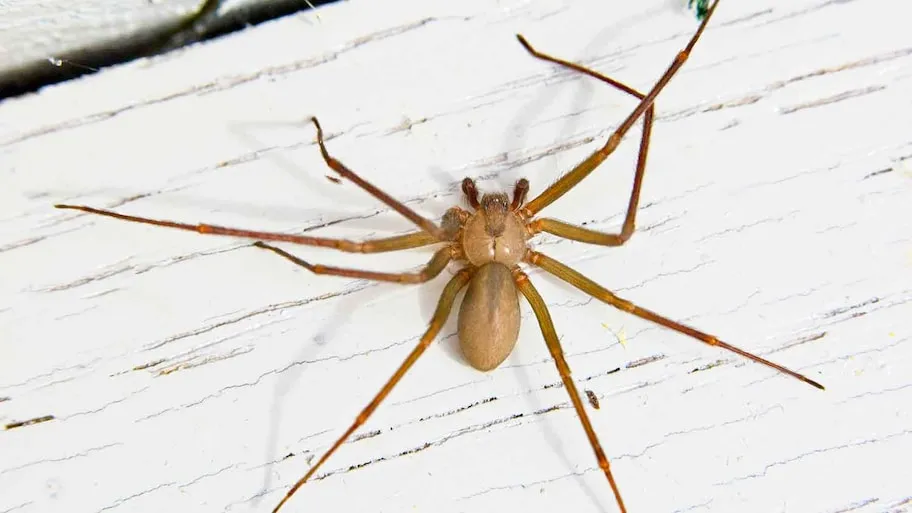
Tarantula vs Brown Recluse Spider Overview
The world of spiders can be fascinating and, at times, intimidating. Two spiders that often spark curiosity and concern are the tarantula and the brown recluse spider. While both belong to the spider family, they possess distinct characteristics. This quick guide aims to provide a clear comparison between these two arachnids, helping you understand their differences in appearance, habitat, venom, behavior, and safety precautions. Understanding the nuances between these spiders is crucial for both appreciating their roles in the ecosystem and ensuring your safety in areas where they might be found. From their physical attributes to the potential dangers they pose, this guide will equip you with the knowledge you need.
Appearance Differences Tarantula vs Brown Recluse
Size Comparison Tarantula vs Brown Recluse

One of the most immediate differences between a tarantula and a brown recluse spider is their size. Tarantulas are significantly larger. They can have a leg span that reaches up to 10 inches, making them quite imposing. In contrast, the brown recluse spider is much smaller, typically measuring about 0.5 inches in body length. This size disparity is a key factor in initial identification. The sheer size of a tarantula makes it readily distinguishable from the more discreet brown recluse, which can easily hide in small crevices and corners. This size difference also influences their behavior and habitats. The size difference influences how they hunt, and their overall lifestyles.
Color and Markings Tarantula vs Brown Recluse
Coloration and markings also offer crucial clues for distinguishing between a tarantula and a brown recluse. Tarantulas exhibit a wide variety of colors, ranging from brown and black to vibrant hues of blue, orange, and red. Their bodies are often covered in dense hairs, giving them a fuzzy appearance. The brown recluse, as its name suggests, is typically a uniform tan to brown color. A distinctive violin-shaped marking on the cephalothorax (the combined head and chest region) is the key identifier. However, this marking can sometimes be faint or absent, making identification based solely on appearance unreliable. Always consider multiple characteristics when identifying spiders.
Habitat and Location Tarantula vs Brown Recluse
Where Tarantulas Live

Tarantulas are found in various habitats across the globe, including deserts, grasslands, and tropical rainforests. They often live in burrows or under rocks and logs. Their distribution is widespread, but they are not commonly found in urban areas. Different species of tarantulas have adapted to specific environments, resulting in diverse behaviors and appearances. They are generally nocturnal hunters, emerging at night to hunt for insects, small reptiles, and occasionally, small mammals. Their habitat preference significantly influences their encounters with humans, as they tend to avoid heavily populated regions.
Where Brown Recluse Spiders Live
Brown recluse spiders are primarily found in the central and southern United States. They prefer to live in undisturbed areas, such as woodpiles, sheds, basements, and storage areas. They are often found indoors, making them more likely to come into contact with humans. These spiders are nocturnal hunters, preying on insects that wander into their webs or near their hiding places. The brown recluse’s preference for secluded spaces and its ability to survive in human-altered environments contribute to its notoriety. Understanding their habitat is critical for preventing bites.
Venom and Danger Tarantula vs Brown Recluse
Tarantula Venom Characteristics

Tarantula venom is generally not considered highly dangerous to humans. Their bites, although potentially painful due to the size of their fangs, typically cause only localized symptoms like redness, swelling, and mild pain. Allergic reactions, while rare, can occur. Most tarantula species are not aggressive and only bite when they feel threatened. Their venom is primarily used to subdue prey, not to inflict serious harm on larger animals like humans. However, some tarantula species may have more potent venom.
Brown Recluse Spider Venom Characteristics
Brown recluse spider venom, on the other hand, can be significantly more dangerous. It contains enzymes that cause tissue damage, potentially leading to a necrotic lesion (tissue death) at the bite site. Symptoms can range from mild to severe, including fever, chills, nausea, and muscle pain. In rare cases, bites can lead to more serious complications. The severity of a brown recluse bite depends on various factors, including the amount of venom injected and the individual’s sensitivity. Medical attention is often required to manage the symptoms and prevent complications.
Bite Symptoms and Treatment
Tarantula Bite Symptoms

If bitten by a tarantula, the symptoms are typically localized and mild. You may experience immediate pain at the bite site, along with redness and swelling. The area might also feel itchy. In some cases, a mild allergic reaction can occur, leading to more widespread symptoms like hives or difficulty breathing. If you experience an allergic reaction, seek medical attention immediately. Otherwise, the symptoms usually subside within a few hours or days. Applying a cold compress and taking over-the-counter pain relievers can help manage the discomfort.
Brown Recluse Bite Symptoms
A brown recluse spider bite can present a range of symptoms. Initially, you may experience a painless bite, but symptoms usually develop within a few hours. The bite site may become red, swollen, and painful. A blister may form, and the area might develop a characteristic “bullseye” appearance. The venom can cause tissue damage, leading to a necrotic lesion that can take weeks or months to heal. Systemic symptoms, such as fever, chills, nausea, vomiting, and muscle pain, can also occur. If you suspect a brown recluse bite, seek immediate medical attention. Treatment may include wound care, antibiotics, and antivenom, depending on the severity of the bite.
First Aid and Treatment
For any spider bite, the first step is to remain calm and seek medical advice. Clean the bite area gently with soap and water. Apply a cold compress to reduce pain and swelling. If possible, capture the spider for identification, but do so safely without putting yourself at risk. For tarantula bites, monitor the bite site for any signs of an allergic reaction. For brown recluse bites, seek immediate medical attention. Medical professionals can provide appropriate treatment, which might include wound care, tetanus shots, and, in severe cases, antivenom. Prompt medical attention is crucial for minimizing the potential complications of a brown recluse bite. Do not apply a tourniquet or try to suck out the venom, as these methods are ineffective and can be harmful.
Behavioral Traits Tarantula vs Brown Recluse

Tarantula Behavior
Tarantulas are generally docile and non-aggressive spiders. They tend to be solitary creatures, preferring to live in their burrows or under cover. When threatened, they may raise their front legs, flick hairs from their abdomen (a defense mechanism called urticating hairs), or bite as a last resort. Tarantulas are ambush predators, waiting for prey to come within striking distance. They are nocturnal hunters, active at night. Captive tarantulas can be fascinating to observe, but it’s essential to handle them with care and respect their natural behaviors. Always approach them slowly and avoid sudden movements that might startle them.
Brown Recluse Behavior
Brown recluse spiders are shy and reclusive, hence their name. They are not aggressive and typically bite only when they feel threatened or are accidentally pressed against the skin. They prefer to hide in secluded areas, such as dark corners, storage boxes, and cluttered spaces. Brown recluse spiders are nocturnal hunters, actively seeking prey at night. Their bites are often unnoticed initially, as they are not always painful at first. This reclusive nature and tendency to hide make them less likely to be seen, but also harder to avoid. Understanding their behavior helps you take preventive measures in areas where they are known to inhabit.
Prevention and Safety Tarantula vs Brown Recluse

Preventing Bites
Preventing spider bites involves several precautions. When working outdoors or in areas where spiders might be present, wear long sleeves, long pants, gloves, and closed-toe shoes. Shake out clothing and shoes before wearing them, especially if they have been stored for a while. Regularly inspect and clean sheds, basements, and storage areas. Seal cracks and crevices in your home to prevent spiders from entering. Use insect repellent that contains DEET on clothing and skin. Be cautious when reaching into dark corners or handling objects that may be harboring spiders. If you encounter a spider, do not attempt to handle it unless you are trained to do so.
Identifying and Avoiding Habitats
Knowing the preferred habitats of tarantulas and brown recluse spiders helps minimize your risk of encountering them. Tarantulas are often found in burrows in the ground or under rocks. Avoid disturbing these areas, especially at night when tarantulas are most active. Brown recluse spiders prefer undisturbed, secluded locations. Regularly inspect and clean areas like attics, basements, garages, and woodpiles. Store firewood away from your home and elevate it off the ground. Reduce clutter to eliminate potential hiding places. Be mindful when moving stored items and wear protective clothing in areas where spiders might be present. Implementing these measures greatly reduces your chance of a bite.
Conclusion

Understanding the key differences between tarantulas and brown recluse spiders is essential for appreciating these creatures and ensuring your safety. From their distinct appearances and habitats to the varying dangers of their venom, the information presented provides a clear guide to these fascinating arachnids. By knowing how to identify these spiders, understanding their behaviors, and taking appropriate precautions, you can reduce your risk of a bite and enjoy the natural world with confidence. Always be aware of your surroundings, and seek professional medical help if you suspect a spider bite, particularly if you are unsure of the spider’s identity or experience severe symptoms.