
Tarantula vs Scorpion Who Wins? [Top 5 Facts]
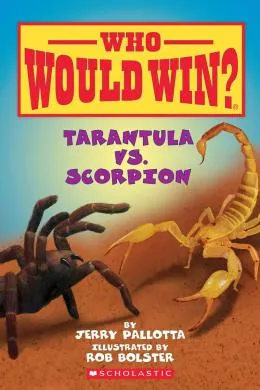
The ancient clash between a tarantula and a scorpion is a dramatic battle of survival, strength, and strategy. Witnessing this showdown is a fascinating insight into the raw power of nature. Both arachnids are formidable predators, equipped with unique weapons and survival tactics honed over millions of years. But when these two titans meet, who emerges victorious? This article will delve into the key factors that determine the outcome of this epic struggle, analyzing the strengths and weaknesses of each contender. Prepare to be amazed as we uncover the truth behind the tarantula vs. scorpion battle.
Size and Strength Comparison
The size and strength of the combatants is a critical factor. While generalizations are difficult, the size and strength of the particular species involved can greatly influence the outcome. Typically, tarantulas, particularly the larger species, often have a size advantage. This can translate to more powerful strikes and greater overall mass, allowing them to potentially overpower their scorpion adversaries. However, strength isn’t solely about bulk; the structural integrity and defensive capabilities of the scorpion also play a vital role. Let’s explore how size and strength influence the fight.
Tarantula’s Size Advantage

In many encounters, the tarantula can have a considerable size advantage. Some tarantula species can grow to be significantly larger than most scorpions. This size difference directly translates to a greater reach, allowing the tarantula to potentially attack from a distance. Moreover, larger tarantulas possess more powerful fangs capable of delivering debilitating bites. Their overall size often provides a greater surface area for attack and defense, potentially leading to the ability to immobilize and subdue the scorpion before it can strike effectively. The larger the tarantula, the better its chances, especially against smaller scorpion species.
Scorpion’s Strength and Armor
Scorpions compensate for their often smaller size with formidable strength and protective armor. Their exoskeletons are exceptionally tough, offering robust defense against the tarantula’s fangs. The scorpion’s strong pincers, or pedipalps, are primarily used for grasping and crushing prey, giving them a powerful grip that can be used to hold the tarantula at bay. Furthermore, scorpions are incredibly agile and can maneuver swiftly, allowing them to dodge attacks and seek opportune moments to strike. The scorpion’s ability to withstand injuries, coupled with its strong pincers, can be critical to survival in a battle against a larger tarantula.
Venom and Weapons Showdown
The nature of the weapons used by both arachnids is one of the most captivating aspects of their clash. Both tarantulas and scorpions use venom to subdue their prey, but the delivery methods and the potency of the toxins vary greatly. These differences directly affect the dynamics of the fight, influencing the damage inflicted and the overall outcome. The weapons showdown is about more than just physical attributes. It’s about which creature’s weaponry can overcome the other’s defenses and deliver a decisive blow, allowing the predator to claim victory in this deadly encounter.
Tarantula’s Fangs and Venom

Tarantulas are armed with large, sharp fangs used to inject venom into their prey. The venom of a tarantula is generally less potent than that of a scorpion, primarily designed to paralyze or incapacitate its target, allowing the spider to consume it. The fangs themselves are designed for gripping and piercing, as well as delivering the venom. The larger the tarantula, the longer and more powerful its fangs, making their bites more effective. However, the effectiveness of the tarantula’s venom and fangs can be highly dependent on the scorpion species and the point of impact.
Scorpion’s Stinger and Venom Potency
Scorpions possess a stinger located at the end of their tail, which is used to inject potent venom. Scorpion venom is designed to quickly paralyze or kill its prey. The potency of scorpion venom can vary significantly between species, with some being more dangerous than others. A well-aimed sting can instantly incapacitate a smaller tarantula, providing a significant advantage to the scorpion. The stinger also serves a defensive function, allowing the scorpion to ward off attacks and inject its venom in self-defense. The speed and precision of the sting can make the scorpion a very dangerous opponent.
Fighting Techniques and Strategies
The tactics employed by each creature play a crucial role in determining the victor. These strategies include how they approach their opponents, how they defend themselves, and the ways they exploit weaknesses. Each animal has evolved unique techniques suited to their body type and weaponry. This dynamic between offense and defense is a fascinating aspect of their struggle for survival. The fight often comes down to which creature can execute its strategies most effectively and adapt to the opponent’s moves. Let’s look into the approaches of each predator.
Tarantula’s Hunting Tactics

Tarantulas are ambush predators, often lying in wait for prey to come within striking distance. When attacking, they rely on a combination of speed and brute force. They will lunge at their target, aiming to deliver a bite that injects venom while holding their prey with their fangs. Many tarantulas are able to use their strong legs to pin down their prey, while they take the time to administer a debilitating bite. The tarantula’s strategy centers on overpowering its opponent quickly to minimize its own risk of being stung or injured.
Scorpion’s Defensive Strategies
Scorpions are adept at defending themselves due to their tough exoskeleton and agile movements. They primarily use their tail to strike and their pincers to grasp and ward off attacks. When confronted by a tarantula, a scorpion may try to maintain distance to evade attacks, using its stinger as the primary weapon. They also employ a defensive posture, using their pincers to grab and shield against bites. Their agility allows them to change positions rapidly, and the stinger often acts as a last resort to counterattack any potential threats. Their survival often depends on their ability to anticipate attacks and use their armor and sting effectively.
Habitat and Environmental Factors
The environment where the fight occurs significantly influences the outcome. Factors such as terrain, weather conditions, and available shelter can give one combatant an advantage. These environmental influences affect mobility, opportunities for ambush, and the overall physical condition of the creatures. An understanding of the habitat sheds light on how these conditions can influence the balance of power in this brutal encounter, influencing the strategies and survival chances of each animal.
Impact of Terrain on the Fight
The terrain can significantly influence the fight. A tarantula is typically more agile in open ground than a scorpion, while a scorpion’s low profile and agility might give it an advantage in tighter spaces or under rocks. Rocky terrains can offer both predators strategic advantages, such as cover for ambush or defensive positions. The terrain impacts the combatants’ mobility, influencing their capacity to attack, defend, and evade. The fight’s outcome can change drastically depending on the environment.
Environmental Advantages and Disadvantages
Environmental conditions such as temperature and humidity can also affect the fight. Extreme heat or cold can impede movement and affect the creatures’ physical capabilities. The presence of other elements, such as loose soil or vegetation, can provide either concealment or a hindrance. Both species are vulnerable to environmental dangers, as they require specific habitat conditions to survive. Whether a fight takes place in the open or within a sheltered area can be a deciding factor, affecting each creature’s stamina and defensive capabilities, impacting their chances of survival.
The Verdict The Ultimate Winner
Determining the winner of a tarantula vs. scorpion fight is complex, as the outcome is dependent on numerous variables. However, by considering the size and strength of each participant, the weapons they wield, and the environment they are fighting in, we can begin to predict which predator is more likely to win. The final judgment is rarely straightforward, given the ever-changing circumstances. It depends on which creature leverages its strengths and exploits its opponent’s weaknesses most effectively. Here’s a breakdown based on expert analysis.
Expert Analysis and Predictions

Expert analyses generally suggest that the tarantula often has the advantage, especially in encounters between larger tarantula species and smaller scorpions. The tarantula’s size, powerful fangs, and hunting strategy are often more effective against a scorpion. But it’s crucial to keep in mind that each battle is unique. The species of both animals, their individual health, and the environment all play a role. The outcome is always unpredictable. Even the slightest advantage, such as an initial bite or sting, can tip the balance in either direction.
Why the Tarantula Often Wins
The tarantula often wins because of its size advantage, which allows for a stronger attack and greater reach. The tarantula’s bite can quickly incapacitate a scorpion, and their ability to use their legs to grab or hold their prey can be crucial. Though the scorpion’s stinger is dangerous, tarantulas are often able to avoid or withstand the sting. The combination of these factors typically favors the tarantula in most encounters. In the end, the tarantula’s larger size and more direct attack methods frequently result in victory, solidifying its reputation as the more common victor in this thrilling battle of the arachnids.