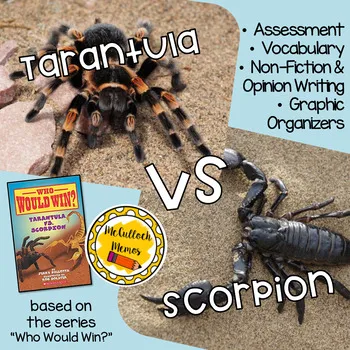
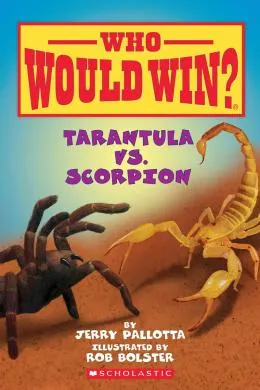
Tarantula vs Scorpion [Ultimate Battle] Overview
The natural world is filled with epic clashes, and few are as captivating as the potential battle between a tarantula and a scorpion. These arachnids, both formidable predators in their own right, often share similar habitats, leading to inevitable encounters. This article delves deep into the capabilities of each creature, analyzing their strengths, weaknesses, and the factors that would likely determine the victor in a head-to-head confrontation. Understanding these creatures’ arsenals, from venomous fangs to stinging tails, provides a thrilling glimpse into the brutal realities of survival in the wild. Prepare to witness an in-depth analysis of these arachnid titans as we explore who would emerge victorious in the ultimate battle.
Tarantula’s Arsenal What Makes It a Formidable Foe
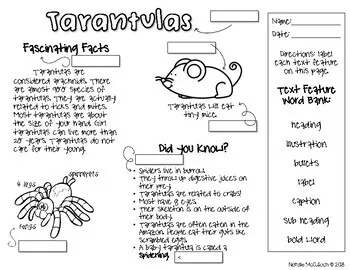
The tarantula, a large and imposing spider, brings a suite of offensive and defensive tools to any combat. Its size alone can be a significant advantage, allowing it to overpower smaller opponents. The tarantula’s arsenal includes powerful fangs, potent venom, and impressive agility, all of which contribute to its predatory prowess. These attributes, when combined, make the tarantula a creature to be reckoned with in the wild, capable of taking down prey much larger than itself. This section looks into what exactly makes the tarantula such a terrifying and dominant force in the natural world.
Venom and Fangs

Tarantulas possess large, sharp fangs designed for injecting venom into their prey. While tarantula venom is not typically lethal to humans, it is highly effective against insects and other invertebrates. The venom paralyzes the prey, allowing the tarantula to consume its meal. The size and strength of the fangs allow it to inflict deep wounds, ensuring the venom is delivered efficiently. The fangs’ structure also aids in gripping and holding onto prey, a crucial advantage in close-quarters combat. The effective use of venom and its fangs is a primary strategy for the tarantula’s hunting and defense.
Size and Strength
The sheer size of a tarantula gives it a significant advantage in a fight. Some species can have a leg span of over 10 inches, making them physically more imposing than many scorpions. Their robust bodies and powerful legs provide the strength necessary to grapple and overpower opponents. This size advantage translates into greater reach and the ability to withstand blows. The tarantula’s strength allows it to pin down and restrain its prey, creating opportunities to deliver venomous strikes and ensure a victory in the encounter.
Agility and Speed
Tarantulas, despite their size, can move with surprising speed and agility. This allows them to quickly approach prey and evade attacks. Their hairy legs provide excellent traction, enabling them to navigate uneven terrain with ease. The ability to move quickly is crucial for both hunting and defense. A tarantula’s quick reflexes and ability to change direction rapidly can make it a difficult target to hit, allowing it to launch attacks effectively and escape dangerous situations.
Scorpion’s Defensive and Offensive Strategies

Scorpions, known for their distinctive appearance, are equipped with their own set of weaponry. Their venomous stings, powerful claws, and armored bodies provide formidable defenses and effective offensive capabilities. A scorpion’s survival depends on the strategic use of these tools in its habitat. Understanding these strategies is essential to comprehending how it fares in battles. Here, we dive into the scorpion’s combat prowess.
Venom and Sting
The scorpion’s primary weapon is its venom-injecting stinger, located at the end of its tail. The potency of scorpion venom varies greatly depending on the species, but it is designed to quickly incapacitate prey. The stinger allows the scorpion to deliver a precise and often fatal blow. Scorpions can rapidly deploy their stinger, making it a dangerous threat in close combat. This potent weapon is a key part of its survival strategy.
Claws and Armor
Scorpions possess powerful claws (pedipalps) used to grasp and hold prey. These claws also provide protection from attacks. The scorpion’s exoskeleton acts as an armor, shielding its body from bites and other injuries. This hard outer layer protects vital organs, allowing it to withstand damage during fights. The combination of claws and armor offers both offensive and defensive advantages, making scorpions tough adversaries.
Ambush Tactics
Scorpions are ambush predators, often hiding and waiting for prey to come within striking distance. This strategy allows them to conserve energy and surprise their targets. Their ability to remain still and blend into their surroundings gives them a significant advantage. This stealthy approach is key to their hunting success and survival. The use of ambush tactics enhances their chances of both catching prey and avoiding predators.
Head-to-Head Combat Analysis
Analyzing the likely outcome of a tarantula versus scorpion battle requires considering several factors. The initial encounter, the fight’s evolution, and external influences all play vital roles in determining who prevails. This section will focus on what a battle between these creatures could look like, taking a closer look at the tactical and physical exchanges.
Initial Encounter
The first moments of the encounter could be critical. The tarantula, with its larger size, might try to initiate the attack, potentially overwhelming the scorpion. The scorpion, however, might try to use its ambush tactics, attempting to surprise the tarantula with a well-placed sting. The setting of the fight, whether on open ground or in a confined space, could also influence the initial exchanges. A direct attack from the tarantula versus a scorpion’s strategic defense will determine the flow of the fight.
The Fight’s Turning Points
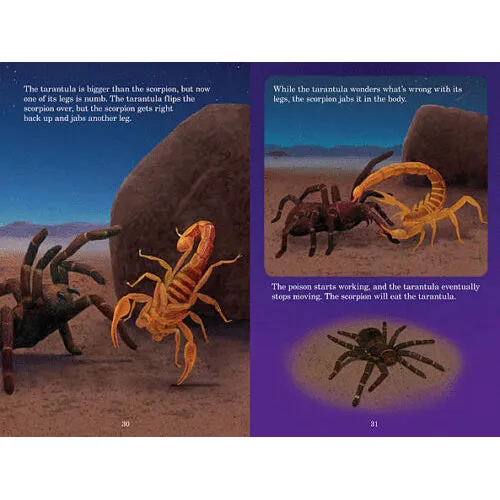
Several scenarios could shift the balance of power during the battle. If the scorpion manages to sting the tarantula, the venom could incapacitate the spider, leading to the scorpion’s victory. If the tarantula can successfully grab and hold the scorpion, its fangs could deliver a lethal blow. The fight might evolve into a test of strength and endurance, with the larger animal having the advantage. These turning points are the defining moments of the struggle.
Factors Influencing the Outcome
Several factors determine the outcome of a tarantula versus scorpion fight. The tarantula’s size, strength, and the effectiveness of its venom are important. The scorpion’s venom potency, the reach of its stinger, and the protective capability of its armor are essential. The environment, including the availability of cover and the terrain, also plays a role. A scorpion might have the advantage in a confined space. The condition and health of each creature are also crucial determining factors.
Habitat and Prey
Both tarantulas and scorpions share similar habitats, increasing the likelihood of confrontations. They often prey on similar food sources, such as insects, which further increases the chances of these predators encountering each other. These overlapping environmental factors establish the basis for a potential battle. The competition for resources and territory also contributes to the frequency of these clashes.
Size and Health
The size and health of the individuals involved significantly influence the outcome. A larger, more robust tarantula will likely have a considerable advantage over a smaller scorpion. A healthy, well-fed animal has more energy and resilience, increasing its chances of survival. The age and condition of each arachnid can dramatically shift the fight. These variables are key to the actual outcome of the battle.
The Winner Revealed [And Why]
In a typical scenario, the tarantula would likely be the victor in a battle against a scorpion. Its larger size, powerful fangs, and potentially faster reflexes give it a distinct edge. While a scorpion’s sting can be dangerous, a tarantula’s ability to quickly overpower its opponent provides the upper hand. A tarantula could easily crush a scorpion or inject venom faster than the scorpion could react. However, it’s crucial to remember that the outcome would be influenced by various factors. A highly venomous scorpion could defeat a tarantula, but in most scenarios, the tarantula’s combined advantages would lead it to victory.
Why This Battle Matters
The hypothetical battle between a tarantula and a scorpion offers an exciting look into the intricacies of nature. It highlights the importance of natural selection, adaptation, and the survival strategies of different species. This analysis allows us to appreciate the diverse forms of life that have evolved to thrive in similar environments. By examining this hypothetical battle, we can better understand the delicate balance within ecosystems. It helps demonstrate how each creature’s strengths and weaknesses contribute to their survival.