Tarantula vs Turtle Overview
Choosing a pet is a significant decision, and the choice often comes down to personal preference and lifestyle. Two fascinating creatures that often spark interest are tarantulas and turtles. Both offer unique experiences for pet owners, but they also present distinct challenges. This article delves into the 5 fascinating differences between tarantulas and turtles, covering their appearance, habitat, dietary needs, care requirements, and the pros and cons of owning each. Understanding these differences is crucial for making an informed decision about which pet is right for you. Whether you are fascinated by the intricate beauty of an arachnid or the ancient wisdom of a reptile, this guide provides a comprehensive comparison to help you navigate the exciting world of pet ownership.
Appearance Differences Between Tarantulas and Turtles
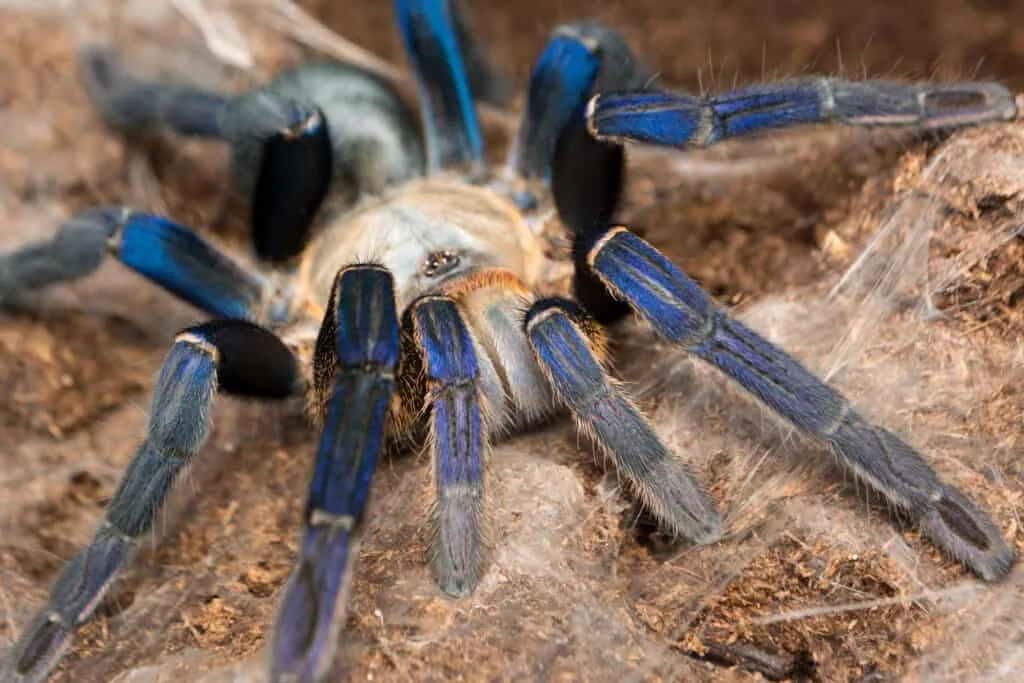
The visual differences between tarantulas and turtles are immediately apparent. Tarantulas, belonging to the arachnid family, are invertebrates with segmented bodies, eight legs, and a hairy exoskeleton. Their size varies considerably depending on the species, ranging from relatively small to impressively large, with leg spans that can exceed 10 inches. Their bodies are often covered in colorful hairs, providing camouflage and sensory input. Their appearance is often considered intimidating by some, while others are captivated by their intricate beauty. On the other hand, turtles are reptiles, characterized by their distinctive shell, which provides protection. They possess four legs, adapted for walking and swimming, and their overall shape and size are quite diverse. Turtle shells come in various patterns and colors, adding to their visual appeal. The contrasting appearances highlight the fundamental differences in their evolutionary paths and body structures.
Size Variations

Size is a primary differentiating factor between tarantulas and turtles. Tarantulas exhibit a wide range of sizes. Some species, like the Goliath Birdeater, can have leg spans exceeding 10 inches, making them one of the largest spiders in the world. Others, like dwarf tarantulas, are much smaller, with leg spans of just a few inches. The size of a tarantula often influences its enclosure needs and dietary requirements. In contrast, turtles also vary in size, but their growth patterns are often more predictable. The smallest turtle species, like the musk turtle, can be as small as 3-4 inches in length, while the largest, such as the Galapagos tortoise, can grow to be several feet long and weigh hundreds of pounds. The size difference between various turtle species is significant, requiring different levels of care and space.
Color and Pattern Differences
Coloration and patterns are another key difference. Tarantulas display a vast array of colors and patterns. Some species are solid black or brown, while others feature vibrant hues of blue, orange, red, and yellow. The patterns can range from simple stripes to intricate designs, often serving as camouflage or a warning signal to predators. The color variations are often species-specific, making them a fascinating subject for observation. Turtles also exhibit a wide range of colors and patterns on their shells and skin. Shell colors can range from green and brown to yellow and black, often providing camouflage in their natural environment. The patterns on their shells can be intricate, varying from simple lines to complex mosaics. These patterns can assist in species identification and reflect the turtle’s habitat.
Habitat and Lifestyle Comparison
The habitats and lifestyles of tarantulas and turtles differ significantly, reflecting their evolutionary adaptations and environmental needs. Understanding these differences is essential for providing the appropriate care and creating a suitable environment for each pet. From their natural environments to their daily activities, the contrast between the two creatures highlights their unique characteristics. These distinctions have a direct impact on how they should be housed and cared for in captivity. They also shape their interactions with their environment, influencing their behavior and survival strategies. By exploring these aspects, we can gain a deeper understanding of their individual needs and provide the best possible care.
Natural Habitats

Tarantulas inhabit a diverse range of environments. Most tarantula species are terrestrial, burrowing into the ground or creating webs in sheltered locations. Their natural habitats include tropical rainforests, deserts, and grasslands. They thrive in warm, humid environments where they can find shelter and food. The specific habitat of a tarantula species depends on its origin; some are arboreal, living in trees, while others are opportunistic, residing in various environments. Turtles, on the other hand, are predominantly aquatic or semi-aquatic reptiles. They are found in a variety of habitats, including rivers, lakes, ponds, and coastal areas. Some turtle species are terrestrial, like tortoises, adapted to dry environments. Each species has adapted to survive in its specific habitat. Their need for specific environmental conditions underscores the importance of replicating these in a captive environment.
Behavioral Traits
Behavioral traits also differ significantly between tarantulas and turtles. Tarantulas are generally solitary creatures, exhibiting territorial behavior and spending most of their time in their burrows or webs. They are ambush predators, waiting for prey to come within striking distance. Their behavior is often characterized by caution and avoidance of potential threats. Turtles, conversely, display a range of behaviors depending on the species and environment. Some turtles are active and social, while others are more solitary. Their behavior is influenced by factors such as temperature, food availability, and the presence of predators. Some turtles will bask in the sun to regulate their body temperature. These behavioral differences impact the care needed.
Dietary Needs and Feeding Habits
The dietary needs and feeding habits of tarantulas and turtles are distinctly different, reflecting their unique physiological adaptations. Understanding these differences is vital for ensuring the health and well-being of each pet. Both species have evolved specific ways of obtaining and processing food, which influence how they should be fed and what types of food are suitable for them in captivity. Their natural diets vary significantly, which needs to be addressed when providing them with a balanced diet.
Tarantula Diet

Tarantulas are primarily carnivorous, feeding on insects and other invertebrates. Their diet mainly consists of crickets, mealworms, roaches, and other readily available insects. They use their fangs to inject venom into their prey, paralyzing and predigesting it before consuming it. The size of the prey offered to a tarantula should correspond to the spider’s size. Young tarantulas require smaller insects, while larger adults can eat bigger prey. In captivity, it’s important to offer a varied diet of live insects and to provide fresh water. Overfeeding can be problematic, so it’s essential to feed them in moderation. Supplements, such as calcium and vitamins, aren’t usually necessary if the insects themselves are fed a nutritious diet.
Turtle Diet
Turtles have more diverse dietary needs. They are omnivores, meaning they eat both plants and animals. Their diet varies depending on the species. Many aquatic turtles eat a mix of fish, insects, aquatic plants, and commercially prepared turtle food. Terrestrial turtles, like tortoises, primarily consume vegetables, fruits, and grasses. The diet should be balanced to ensure proper nutrition. Vitamin and mineral supplements are often needed in captivity to avoid health problems like shell deformities. It is essential to research the specific dietary requirements of the turtle species to provide the appropriate food, ensuring they stay healthy and active. The proper balance of food types is essential for their well-being and longevity.
Lifespan and Care Requirements
The lifespan and care requirements of tarantulas and turtles vary considerably. Both species have specific needs in terms of habitat, temperature, humidity, and feeding. The time commitment and the environmental conditions required for maintaining the pets are important factors to consider. Proper care ensures the health and longevity of each pet. The differences in their lifespans directly affect the long-term commitment involved in pet ownership, highlighting the importance of thorough research.
Tarantula Care

Tarantulas are generally easier to care for compared to turtles. They require a terrarium with appropriate substrate, such as coconut fiber or peat moss, for burrowing. The enclosure should be maintained at a specific temperature and humidity level, depending on the species. Regular misting and a shallow water dish are necessary to maintain humidity. Feeding is typically once or twice a week, depending on the spider’s size and appetite. Cleaning involves removing uneaten food and replacing the substrate periodically. Handle them with care to avoid bites. The care is relatively straightforward, making them a good choice for beginners.
Turtle Care
Turtles require more extensive care. Aquatic turtles need a tank with a suitable water filter, heater, and basking area. Terrestrial turtles need a spacious enclosure with proper substrate and a basking spot. The water quality and temperature must be monitored closely. Regular water changes and tank cleaning are essential. The habitat must mimic their natural environment to ensure health. Turtles often require specific lighting, including UVB and UVA rays. The diet should be varied. Their needs are significant, making them a more advanced pet choice. They need significant space and a commitment to maintaining a clean and healthy environment.
Pros and Cons of Each Pet
Deciding between a tarantula and a turtle requires careful consideration of the advantages and disadvantages of each. Every pet has benefits and drawbacks. These pros and cons will help in making the most suitable choice. Understanding the commitment involved is critical for responsible pet ownership.
Advantages of Owning a Tarantula

Tarantulas are relatively low-maintenance pets. They require less space compared to turtles. They are quiet and do not make any noise. They do not require daily feeding. They are fascinating creatures, providing a unique and engaging pet experience. They can be kept in a relatively small space. Their care doesn’t demand much time. They are also generally less expensive to maintain.
Disadvantages of Owning a Tarantula
Tarantulas are not interactive pets, so they are not suitable for those who want to handle or play with their pet. Their bites, while not usually lethal, can be painful. Some people are afraid of spiders. They are not cuddly or social animals. They are best observed. Their lifespan is shorter. They can be delicate and require specific care.
Advantages of Owning a Turtle
Turtles can live for a very long time, providing years of companionship. They are fascinating to watch. Many species are visually appealing, with unique shells and patterns. They have interesting personalities and can become quite accustomed to their owners. Some species can be social. Their long lifespans make them a part of the family. Turtles are more interactive than tarantulas.
Disadvantages of Owning a Turtle

Turtles require a significant commitment. They need considerable space, especially as they grow. Their care can be expensive, particularly the initial setup. Their tanks require regular cleaning, which can be time-consuming. They can carry salmonella. They require a specialized diet. The setup and maintenance demand more time and effort than that of a tarantula.