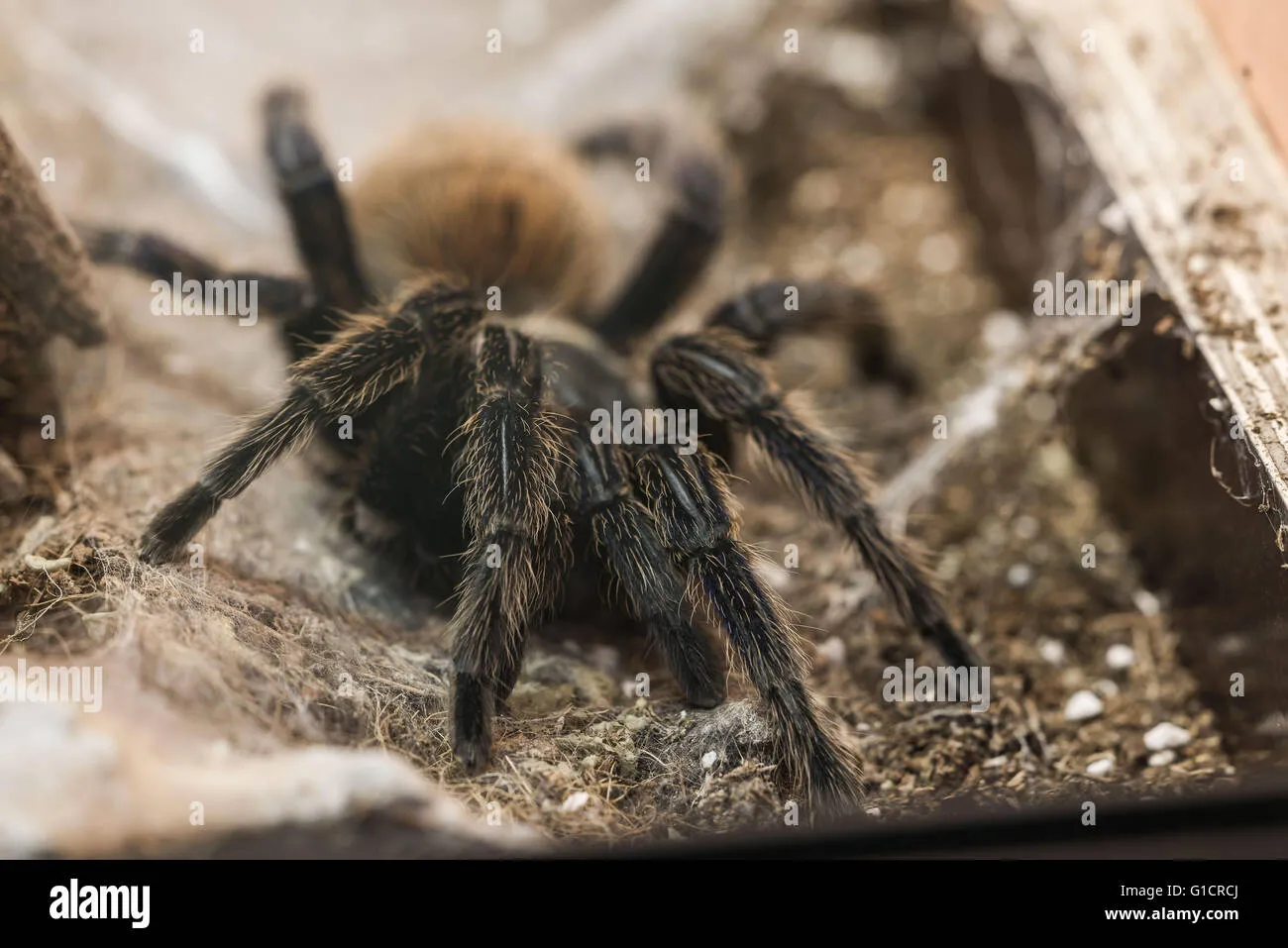
Tarantulas & Dogs: The Scary Truths
The encounter between a tarantula and a dog can be a frightening scenario for any pet owner. While the image of a large, hairy spider might be alarming, understanding the real risks is crucial. This article delves into the facts about tarantula bites, the potential dangers they pose to dogs, and the steps you can take to protect your canine companion. Knowing what to watch for, how to respond, and how to prevent such incidents can make all the difference in ensuring your dog’s safety and well-being. Let’s explore the hidden threats that tarantulas can pose to dogs and the best ways to safeguard your furry friend.
Do Tarantulas Possess Venom That Affects Dogs
Yes, tarantulas possess venom, but the impact of a tarantula bite on a dog varies depending on several factors. Not all tarantulas have venom that is equally potent, and the dog’s size and health play a significant role in how severely it will be affected. The venom itself is primarily designed to subdue the tarantula’s prey, such as insects and small animals. When a dog is bitten, the venom’s effect can range from a mild irritation to more serious complications. It’s essential to recognize the signs of a bite and seek veterinary care when necessary. The fear associated with tarantulas is real, but understanding the biological factors is key to managing the situation.
Venom Composition and Toxicity Levels

Tarantula venom is a complex mixture of toxins, enzymes, and other substances. The specific composition of the venom varies from species to species, impacting its toxicity levels. Generally, tarantula venom is not considered highly toxic to mammals, including dogs. However, the venom can still cause localized pain, swelling, and redness at the bite site. The venom’s primary function is to paralyze or kill prey. Different compounds within the venom work to achieve this effect, but the amount injected and the dog’s reaction also determine the severity of the impact. Some dogs may show minimal reaction, while others could exhibit more pronounced symptoms due to individual sensitivities or the type of tarantula.
Species-Specific Venom Potency
The potency of tarantula venom varies significantly depending on the species. Some tarantulas have venom that is more potent than others. For example, Old World tarantulas are often considered to have more potent venom compared to some New World species. The size of the tarantula also influences the amount of venom injected. A larger tarantula may inject more venom than a smaller one, potentially leading to a more severe reaction. When assessing the risk to your dog, it is important to consider the tarantula species present in your area. Knowing the local tarantula types can help you understand the potential danger your dog might face and take appropriate precautions. (Image: tarantula-species-comparison.webp)
Tarantula Bite Symptoms in Dogs
Recognizing the symptoms of a tarantula bite is critical for ensuring your dog receives prompt and appropriate care. Symptoms can vary depending on the type of tarantula, the amount of venom injected, and your dog’s individual sensitivity. The symptoms can be obvious and quickly develop, or they might not be evident for several hours. Regular observation and a familiarity with the range of symptoms will significantly improve your chances of early detection and intervention. Being proactive in monitoring your dog’s behavior and physical condition can help you recognize the problem early and seek timely veterinary attention.
Immediate Signs of a Bite

Immediate signs of a tarantula bite often involve localized reactions at the bite site. You might notice puncture marks, redness, and swelling. Your dog may show signs of discomfort, such as licking, pawing, or scratching at the affected area. In some cases, there might be a visible welt or bump. Be mindful of these initial indicators, as they often provide the first clues that your dog has been bitten. Early detection of the bite is always beneficial in managing the situation and providing relief. Keeping a close eye on your dog and paying attention to these early signs can make a big difference. (Image: dog-licking-wound.webp)
Behavioral Changes
Changes in your dog’s behavior can be another indication of a tarantula bite. Your dog may become restless, anxious, or lethargic. They might show a lack of interest in food or water. Some dogs may whimper, whine, or exhibit signs of distress. Be alert to any sudden shifts in your dog’s usual demeanor. These changes often reflect discomfort and pain, and they can be important clues about the situation. Behavioral changes can indicate an issue needing immediate attention. Monitoring your dog’s behavior and recognizing deviations from the norm is crucial for timely care. (Image: dog-showing-bite-symptoms.webp)
Physical Symptoms
Physical symptoms can provide further confirmation that a tarantula bite has occurred. Look for swelling, redness, and pain at the bite site. Other physical signs may include difficulty breathing, excessive salivation, muscle tremors, or, in severe cases, paralysis. If your dog shows any of these symptoms, seek immediate veterinary attention. Early intervention can help alleviate symptoms and prevent serious complications. Understanding the physical symptoms can help you take decisive action and ensure your dog’s wellbeing. Recognizing these physical signs is essential for taking prompt action.
Long-Term Effects

While most tarantula bites are not fatal to dogs, they can lead to long-term health issues in some cases. The bite site may become infected, resulting in persistent pain and inflammation. The dog could develop allergic reactions to the venom, causing ongoing skin problems or respiratory issues. The dog’s overall health can be affected if the venom affects their nervous system, leading to neurological problems. Monitoring your dog’s condition after a bite is essential to catch these potential problems early. The aim is to minimize the long-term impact and support a full recovery. Vigilance is key to identifying and dealing with these potential complications early on.
Potential Complications
Several complications can arise after a tarantula bite. Infections at the bite site are common, and these can lead to sepsis if not treated promptly. Allergic reactions can result in severe itching, skin rashes, and breathing difficulties. In rare cases, the venom may affect the dog’s cardiovascular system or nervous system. Early diagnosis and treatment are essential to avoid or minimize complications. Regular veterinary checkups after a bite can help monitor for any potential long-term effects. The aim is to ensure the dog’s full recovery and protect their overall health. (Image: veterinarian-examining-dog.webp)
Allergic Reactions and Anaphylaxis
Some dogs may experience allergic reactions to tarantula venom, which can vary from mild to severe. Symptoms of an allergic reaction include hives, facial swelling, and difficulty breathing. In the most severe cases, dogs can develop anaphylaxis, a life-threatening condition. Anaphylaxis causes the dog’s airways to constrict, leading to rapid breathing, collapse, and loss of consciousness. If you suspect your dog is having an allergic reaction or experiencing anaphylaxis, seek immediate veterinary attention. Prompt treatment with antihistamines, corticosteroids, and possibly epinephrine can save your dog’s life. Early treatment will increase the chances of a positive outcome.
First Aid for Tarantula Bites

Knowing how to respond to a tarantula bite can make a significant difference in your dog’s well-being. Quick action and appropriate first aid can lessen the bite’s impact and reduce the chances of complications. Basic first aid steps and knowledge about when to seek veterinary care are crucial for any pet owner. Being prepared can also greatly improve your peace of mind. Developing a first-aid plan and keeping the contact information of your vet and an emergency clinic on hand will help you remain calm and effective in an emergency situation. Your knowledge is invaluable, and can significantly contribute to your dog’s safety.
Initial Response Steps
When you suspect your dog has been bitten by a tarantula, take the following immediate steps. Stay calm, and move your dog away from the area to avoid further bites. Assess your dog for any signs of distress, such as difficulty breathing or severe pain. If the bite site is visible, try to gently clean it with mild soap and water. Monitor your dog’s condition closely. It’s crucial to remain calm and act swiftly but carefully. Keeping your dog relaxed will help them during the situation. Take steps to calm your dog and provide comfort until you can get professional help. (Image: dog-licking-wound.webp)
Cleaning the Wound
Cleaning the wound is a crucial step in first aid. Use mild soap and water to gently clean the area around the bite. This can help remove any venom remaining on the skin’s surface. Be sure to avoid harsh chemicals or antiseptics, as these may irritate the skin. Rinse the area thoroughly and pat it dry. After cleaning, you can apply a cool compress to reduce swelling and pain. Keeping the wound clean reduces the risk of infection and provides initial relief for your dog. Regular cleaning of the wound is essential to ensure your dog’s health.
Observation and Monitoring

After cleaning the wound, the next step is to carefully observe and monitor your dog. Watch for changes in your dog’s behavior and physical condition. Check for symptoms like excessive salivation, difficulty breathing, or signs of discomfort. Regular monitoring can provide valuable information about the severity of the bite and the dog’s overall health. Note the time when the bite occurred and the development of any new symptoms. This information will be helpful for the veterinarian when they examine your dog. Consistent observation is important. Be patient, and remain aware of your dog’s health.
When to Seek Veterinary Care
Determining when to seek veterinary care is essential for your dog’s health. If your dog exhibits severe symptoms such as difficulty breathing, swelling, or collapse, seek immediate veterinary attention. If you are unsure about the severity of the bite, it’s always best to err on the side of caution and consult with a veterinarian. Even if the initial symptoms seem mild, it’s important to monitor your dog closely. Symptoms may worsen over time, requiring professional care. Early veterinary intervention can prevent complications. Make sure you are contacting a veterinarian and assessing the overall health of your dog. (Image: veterinarian-examining-dog.webp)
Severity Assessment
A veterinarian will perform a severity assessment to evaluate the impact of the bite. This involves a physical examination of the dog, along with questions about when the bite occurred and any observed symptoms. The vet might run blood tests to check for organ damage or other complications. Be sure to provide the veterinarian with as much information as possible about the incident, including the type of tarantula, if known, and any first aid measures taken. The vet’s assessment will guide them in determining the appropriate treatment plan. An accurate assessment is important for developing an effective treatment plan.
Necessary Treatments

Based on the severity of the bite and the veterinarian’s assessment, various treatments may be necessary. Treatment options can range from pain relief medication to intravenous fluids or oxygen therapy. In severe cases, the dog may require hospitalization for monitoring and supportive care. The vet may prescribe antibiotics to prevent secondary infections at the bite site. Antihistamines and corticosteroids may be administered to manage allergic reactions. Following the vet’s instructions is important for ensuring a successful recovery. Ensure your dog is receiving the best possible treatment to recover as quickly as possible. (Image: dog-showing-bite-symptoms.webp)
Preventing Tarantula Bites in Dogs
Protecting your dog from tarantula bites starts with proactive measures to minimize the risk of encounters. Implementing these preventative strategies can help ensure your dog’s safety and your peace of mind. Prevention is key to avoiding potentially dangerous situations. The measures should be implemented within your home and in any environment where your dog might be present. Consider implementing different strategies to make the home and backyard safer, as well as teaching your dog to avoid tarantulas. Preventative measures ensure you can minimize any health risks to your dog and reduce the chances of dangerous bites.
Home and Yard Safety Measures
Creating a safe environment involves several home and yard safety measures. Seal any cracks and openings in your home to prevent tarantulas from entering. Clear away debris, such as woodpiles and leaf litter, where tarantulas might hide. Regularly inspect your yard for tarantula activity, especially in areas with potential habitats. If you live in an area where tarantulas are common, consider using natural pest control methods. These steps can significantly reduce the likelihood of a tarantula encounter. Maintain a safe environment. Making sure the home and yard are safer for the dog will help eliminate tarantula encounters. (Image: tarantula-habitat-in-yard.webp)
Identifying Tarantula Habitats
To effectively prevent tarantula bites, you need to understand where they are likely to be found. Tarantulas often make their homes in burrows, under rocks, or in sheltered areas. Look for potential habitats in your yard, such as woodpiles, dense vegetation, and areas with loose soil. Be aware of areas where tarantulas are commonly seen in your region. Always supervise your dog when exploring these areas. The more you know about tarantula habits and habitats, the better you can protect your dog. Always keep a watchful eye on your dog to prevent them from entering dangerous areas.
Removing Tarantulas Safely
If you find a tarantula on your property, it’s crucial to remove it safely to prevent potential encounters with your dog. Avoid attempting to handle the tarantula directly, as this could increase the risk of a bite. Instead, use a long-handled tool, such as a broom or shovel, to gently move the tarantula. Guide the tarantula into a container, such as a bucket, and release it far away from your home. Ensure your safety and your dog’s safety during this process. Removing tarantulas safely can protect both the dog and the humans. The steps taken can help keep everyone safe. (Image: tarantula-near-dog.webp)
Training and Awareness
Training and awareness are essential for protecting your dog from tarantulas. Teach your dog to avoid potential hazards and to recognize and stay away from tarantulas. Increase your awareness of the tarantulas and their habitats in your area. Combine training with these awareness strategies to effectively protect your dog. Ensure that the dog is aware of all the dangers around them. Awareness and training are key components of a safe environment for dogs.
Teaching Your Dog to Avoid Tarantulas
Training your dog to avoid tarantulas is an important preventative measure. You can use positive reinforcement techniques, such as treats or praise, to reward your dog for staying away from tarantulas. Expose your dog to photos or videos of tarantulas and teach them to associate them with a command like “leave it” or “stay away.” Supervise your dog during outdoor activities, especially in areas where tarantulas are known to live. Training is key to the safety of the dog, and it will help prevent encounters. Practicing this regularly will help your dog recognize and avoid any hazards in the environment. (Image: dog-avoiding-tarantula.webp)
Recognizing Tarantula Warning Signs
Teach yourself and your dog how to recognize the signs of a tarantula. Learn what tarantula burrows look like and where they are commonly located. Be observant of your dog’s behavior. Dogs may show changes in behavior and begin to paw or sniff in certain locations. Educate yourself about the potential hazards in your area and the specific species of tarantulas. Combine this knowledge with the training of your dog and be aware of all the tarantula warnings. Being prepared is one of the best tools to have to protect your dog.
In conclusion, while tarantulas aren’t always a deadly threat to dogs, understanding the potential risks and taking preventative measures are vital for your dog’s safety and well-being. By recognizing the signs of a bite, knowing how to respond, and creating a safe environment, you can reduce the likelihood of a tarantula encounter and protect your furry friend. Staying informed and proactive is the key to keeping your dog safe and happy.