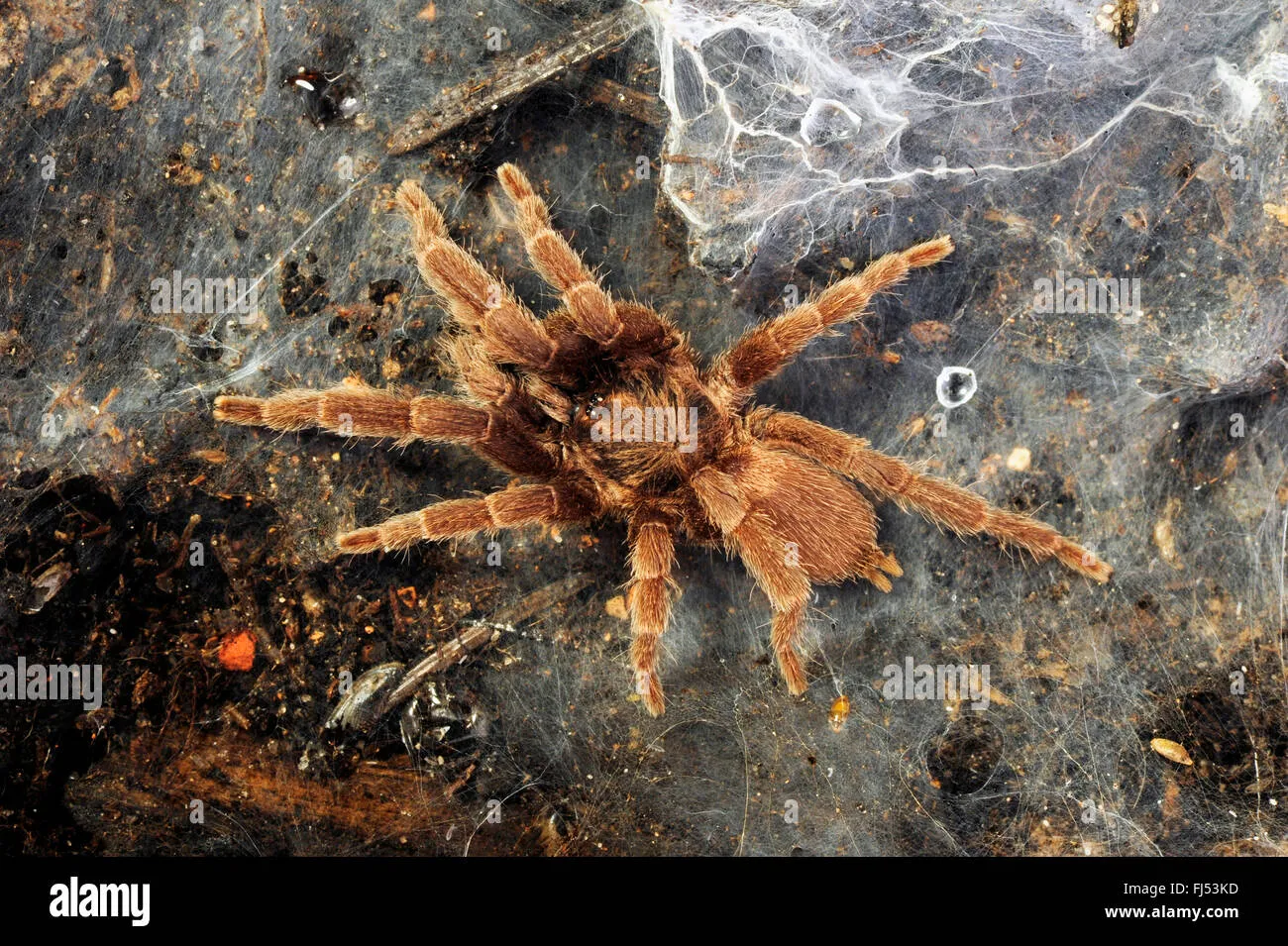
Identifying Tarantulas in the Philippines
The Philippines, a biodiversity hotspot, is home to a fascinating array of tarantula species. These large, hairy spiders often spark both curiosity and apprehension. Identifying these arachnids correctly is crucial for understanding their role in the ecosystem and for the safety of both humans and the spiders themselves. This guide will provide you with essential information on how to identify tarantulas found in the Philippines, covering their habitats, key physical features, and specific species.
Understanding Tarantula Habitats in the Philippines
Tarantulas, like all living creatures, are intricately linked to their environment. Understanding their preferred habitats is the first step in identifying and appreciating these spiders. The Philippines, with its diverse landscape, offers a variety of habitats suitable for different tarantula species. From lush rainforests to more arid environments, the types of habitats present influence the types of tarantulas you’re likely to encounter.
Common Habitats Found

Many Philippine tarantula species thrive in tropical rainforests and woodlands. These areas provide ample moisture, shelter, and a diverse insect population for food. You might find them under fallen logs, in burrows within the soil, or sometimes even in the crevices of trees. The humid conditions are ideal for their survival, and the abundance of leaf litter and decaying matter helps in maintaining the ecosystem balance. Image: Philippine Tarantula Habitat.
Rare Habitats Found
Some tarantula species are adapted to more specific or rarer habitats. For instance, certain species might be found in mountainous regions, inhabiting rock crevices or areas with specific soil compositions. Others might be found in grasslands or near agricultural areas. The diversity in habitats highlights the adaptability of tarantulas and their ability to colonize different niches within the Philippine landscape.
Key Features for Tarantula Identification
Identifying tarantulas requires careful observation of their physical characteristics and behaviors. Several features can help distinguish between different species. These include size, coloration, markings, and certain behavioral traits. It is important to remember to observe tarantulas from a safe distance and to avoid handling them, as they can deliver a painful bite. The following sections detail the key features that can help in the identification process.
Size and Appearance

The size of a tarantula can be a significant indicator of its species. Tarantulas vary greatly in size, with some species being relatively small, while others can reach impressive dimensions. Measuring the leg span is a common way to gauge their size. The body shape also plays a role the body may be more elongated or compact, and this can be a differentiating factor. Image: Tarantula size comparison.
Coloration and Markings
Coloration and specific markings are often the most visible features used for identification. Tarantulas exhibit a wide range of colors, from dark browns and blacks to vibrant oranges, yellows, and even blues. The patterns and markings on the carapace (the top part of the cephalothorax) and the abdomen can be unique to each species. The presence of specific stripes, spots, or other patterns can be key identifiers.
Behavioral Traits to Observe
Tarantula behavior can also offer clues to their identity. Some species are more aggressive, while others are relatively docile. The way they react to threats, their feeding habits, and their burrowing or web-spinning behaviors can provide important insights. Careful observation of these behaviors, while maintaining a safe distance, can help narrow down the possibilities.
Species Identification

The Philippines is home to a variety of tarantula species, each with unique characteristics. Here are some of the most commonly encountered species, along with details to aid in their identification.
Philippine Tiger Tarantula (Psalmopoeus irminia)
Known for their striking appearance, these tarantulas have a pattern of stripes on their legs. Their coloration ranges from dark brown to black with yellow or orange stripes. They are a fast-growing, fast-moving species. Image: Philippine Tiger Tarantula.
Philippine Earth Tiger Tarantula (Cyriopagopus albostriatus)
This species is known for its terrestrial lifestyle, living in burrows in the ground. They have a dark brown or black body with white stripes on their legs. They are also known for their speed and their defensive nature. Image: Earth Tiger Tarantula.
Philippine Grey Tarantula (Typhochlaena seladonia)

Often found in more humid environments, the Philippine Grey Tarantula is known for its unique coloration, ranging from grey to brownish hues. Their legs are typically banded, and they can be found in trees and burrows. Image: Grey Tarantula.
Where to Find Tarantulas in the Philippines
Knowing the best locations to observe tarantulas is essential for anyone interested in studying or simply appreciating these creatures. Different regions of the Philippines have varying populations of tarantulas, and understanding where to look will increase your chances of spotting them in their natural habitat.
Best Locations for Observation
The best locations for tarantula observation include rainforests, woodlands, and areas with high humidity. Certain provinces or regions within the Philippines, particularly those with well-preserved ecosystems, are more likely to have diverse populations. Always ensure you are observing tarantulas responsibly, and that you have the necessary permits if you intend to conduct research or collect specimens. Image: Tarantula observation location.
Conservation Status and Threats

Tarantulas, like many other species, face a variety of threats that can impact their populations. Understanding these threats is crucial for conservation efforts. Protecting these species requires a multi-faceted approach, including habitat preservation, responsible practices, and public awareness.
Threats to Philippine Tarantulas
The main threats to Philippine tarantulas include habitat loss due to deforestation and urbanization, the pet trade, and the use of pesticides. Deforestation destroys their natural habitats, leaving them with nowhere to live, while the pet trade can lead to over-collection, further endangering their populations. Pesticides can also contaminate their environment and food sources, impacting their survival.
Conservation Efforts and Awareness
Conservation efforts involve protecting their habitats, regulating the pet trade, and educating the public about their importance in the ecosystem. Raising awareness can encourage responsible practices and support conservation initiatives. Image: Tarantula conservation.
In conclusion, the tarantulas of the Philippines are fascinating creatures with unique characteristics and face significant challenges. By understanding how to identify these tarantulas, their habitats, and the threats they face, we can contribute to their conservation and the preservation of the rich biodiversity of the Philippines.