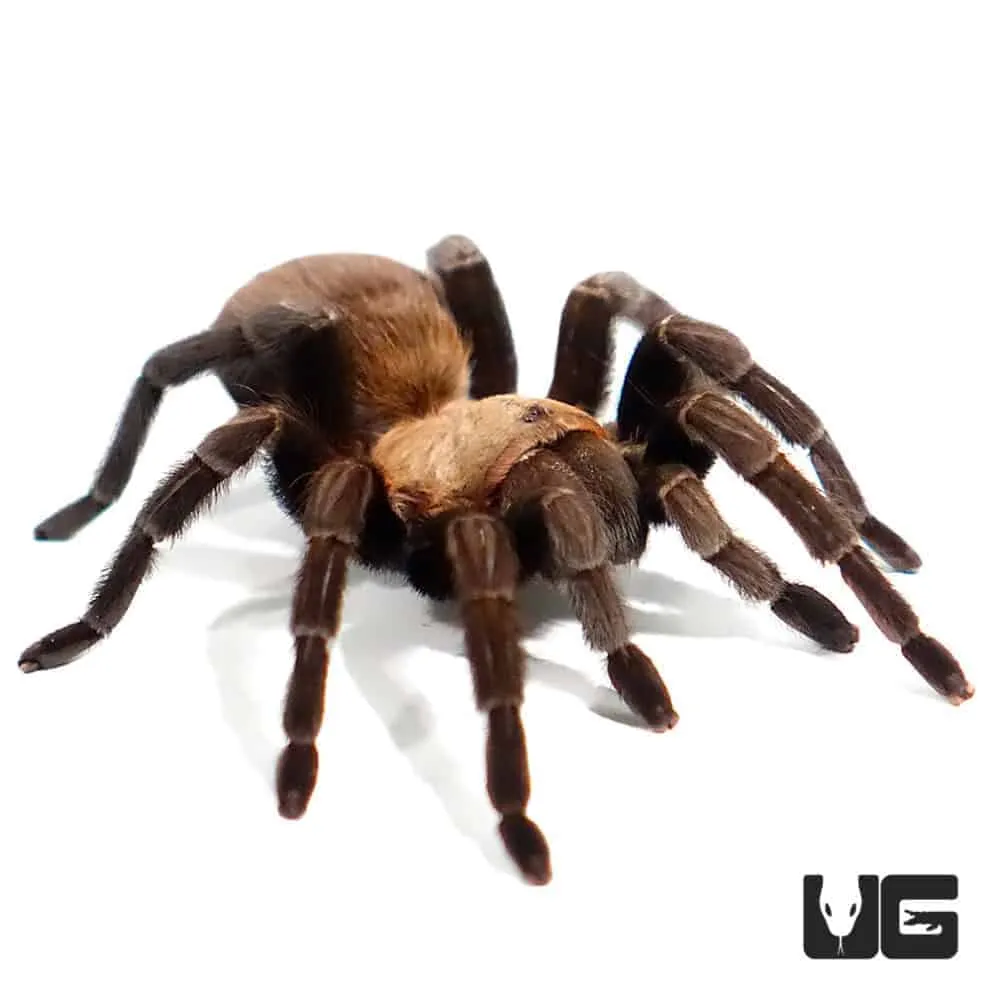
The Texas Brown Tarantula, a fascinating creature, makes a rewarding pet for those willing to provide the proper care. Known for their relatively docile nature and impressive size, these arachnids can thrive in captivity with the right environment and attention. This guide provides comprehensive information on how to care for a Texas Brown Tarantula, covering habitat setup, feeding, handling, health, and molting. By following these guidelines, you can ensure your tarantula lives a long, healthy, and fulfilling life. Careful planning and consistent maintenance are key to success. Owning a tarantula is a commitment, but the rewards of observing and caring for such a unique animal are immense.
Texas Brown Tarantula Habitat Setup
Creating the right habitat is crucial for your Texas Brown Tarantula’s well-being. The enclosure should mimic their natural environment as closely as possible, providing security, comfort, and the necessary conditions for survival. A well-designed habitat minimizes stress and maximizes the chances of your tarantula thriving. Understanding the specific needs of the species regarding space, temperature, humidity, and substrate will help you create a suitable home for your pet. The setup process involves choosing the right enclosure, selecting appropriate substrate, and maintaining optimal temperature and humidity levels. Regular monitoring and maintenance are also important.
Choosing the Right Enclosure
The size of the enclosure is essential for your tarantula’s comfort and safety. A general rule is to provide an enclosure that is at least three times the tarantula’s leg span in width. For a Texas Brown Tarantula, which can grow up to 5-6 inches, a 10-gallon tank is often suitable for juveniles, while a 20-gallon long tank is recommended for adults. Ensure the enclosure has a secure lid to prevent escape. The enclosure should also have adequate ventilation to prevent the build-up of humidity and the growth of mold. Consider the material of the enclosure glass or plastic are common choices, with glass offering better visibility and plastic being lighter and less prone to breaking.
Substrate Selection Guide

The substrate serves as the floor of your tarantula’s enclosure and is crucial for burrowing, humidity regulation, and overall well-being. A good substrate should hold moisture, allow for burrowing, and be safe for your tarantula. A mix of organic materials is ideal. A popular choice is a mixture of coconut fiber, peat moss, and a bit of vermiculite. These substrates are readily available, retain moisture well, and allow your tarantula to create burrows, which they often use to hide and feel secure. Avoid substrates that are toxic or too dusty, such as cedar or pine shavings. The depth of the substrate should be sufficient to allow for burrowing, usually 4-6 inches is adequate. Regular spot cleaning of the substrate is also necessary to maintain cleanliness.
Temperature and Humidity Control
Texas Brown Tarantulas thrive in a specific temperature and humidity range. The ideal temperature for your tarantula is between 75-85°F (24-29°C). You can use a heat mat or a ceramic heat emitter placed on the side of the enclosure to maintain the temperature, but be sure to monitor the temperature to prevent overheating. Humidity levels should be around 60-70%. You can measure humidity with a hygrometer and maintain the appropriate level by misting the enclosure with water every few days. Proper ventilation is also crucial to prevent mold growth and ensure that the humidity does not become excessive. Make sure the enclosure isn’t in direct sunlight, which could rapidly overheat it.
Essential Equipment
Besides the enclosure and substrate, you will need some essential equipment to create a suitable habitat. A water dish is necessary to provide a constant supply of fresh water. Use a shallow dish to prevent your tarantula from drowning. You may also add a hide, such as a piece of cork bark or a half-log, to provide a secure retreat for your tarantula. A thermometer and hygrometer are essential for monitoring the temperature and humidity levels. Tweezers or tongs are necessary for feeding your tarantula and removing any uneaten food. A spray bottle is also helpful for misting the enclosure to maintain humidity levels. Ensure all equipment is safe and nontoxic.
Feeding Your Texas Brown Tarantula

Feeding is a crucial aspect of caring for your Texas Brown Tarantula. A proper diet ensures the tarantula receives the necessary nutrients for growth and maintaining overall health. Understanding what to feed, how often, and in what portion sizes is essential for keeping your pet healthy and happy. The tarantula’s appetite and feeding habits will vary depending on its age and size. Overfeeding can lead to health problems, while underfeeding can cause malnutrition. Always offer fresh food and water and remove any uneaten food promptly to maintain a clean environment. Regularly observe your tarantula’s feeding behavior to ensure it’s eating properly and to identify any potential issues.
What to Feed a Texas Brown Tarantula
Texas Brown Tarantulas are primarily insectivores, meaning their diet consists mainly of insects. Suitable food items include crickets, mealworms, roaches, and even small, pre-killed vertebrates. It’s important to vary the diet to provide a range of nutrients. Crickets are a staple food, but ensure they are gut-loaded with nutritious food before offering them to your tarantula. Mealworms are easy to obtain but have a hard exoskeleton, so feed them in moderation. Roaches, such as dubia roaches, are an excellent source of protein and are relatively easy to care for. Pre-killed pinkie mice can be offered to adult tarantulas occasionally. Always avoid feeding your tarantula insects that have been exposed to pesticides or other chemicals.
Feeding Frequency and Portion Sizes
The feeding frequency depends on the tarantula’s age and size. Spiderlings (young tarantulas) should be fed 2-3 times per week. Juveniles can be fed once or twice a week, and adults typically only need to be fed once every 1-2 weeks. The portion size should be appropriate for the tarantula’s size. As a general guideline, offer insects that are roughly the same size as the tarantula’s abdomen. Remove any uneaten food within 24 hours to prevent the growth of mold and bacteria. Overfeeding can stress your tarantula and lead to health problems. Adjust the feeding schedule based on your tarantula’s body condition. If the abdomen appears too large, reduce feeding; if it appears thin, increase the frequency.
Watering Your Tarantula

Providing fresh water is critical for your tarantula’s hydration. Always have a shallow water dish with fresh water available. The water dish should be small enough to prevent the tarantula from drowning. You can use a bottle cap or a shallow dish designed specifically for tarantulas. Refill the water dish daily and clean it regularly to prevent the buildup of bacteria. In addition to providing water in a dish, you can mist the enclosure lightly every few days to maintain humidity. Observe your tarantula’s behavior and adjust the watering frequency as needed to ensure it stays well-hydrated. Dehydration can be a serious issue for tarantulas, so proper hydration is essential for their well-being.
Handling and Interaction
While Texas Brown Tarantulas are generally docile, handling should be approached with caution and understanding. These creatures are not naturally inclined to be handled and can become stressed by it. Proper handling practices involve understanding their behavior and minimizing the risk of injury to both the tarantula and yourself. Regular observation, coupled with a minimal approach to direct contact, is often the best way to interact with these fascinating pets. Safe and respectful handling practices will ensure both your safety and the well-being of your tarantula.
Safe Handling Practices
If you choose to handle your Texas Brown Tarantula, do so with extreme care. Avoid handling if the tarantula appears stressed, agitated, or is in pre-molt. Handle over a soft surface, such as a bed or couch, in case the tarantula falls. Gently encourage the tarantula to walk onto your hand; do not try to grab or force it. Keep your movements slow and deliberate. Always wash your hands thoroughly before and after handling. Be aware that Texas Brown Tarantulas have urticating hairs (tiny hairs that can irritate the skin), so avoid touching the abdomen. If you are bitten (which is rare), wash the area with soap and water. Most importantly, remember that handling is not essential for a tarantula’s well-being, and it’s often best to observe your pet from a distance.
Understanding Tarantula Behavior

Understanding your tarantula’s behavior is key to successful handling and overall care. Observe your tarantula’s posture, movements, and feeding habits. A stressed tarantula might raise its front legs, flick hairs, or move rapidly. A calm tarantula will typically move slowly and deliberately. Recognize the signs of a tarantula in pre-molt, such as lethargy, a darkened abdomen, and refusal to eat. Understanding their behavior can help you avoid unnecessary stress and potential injury. Regular observation allows you to identify any changes in behavior that may indicate health problems or other issues. Take note of the time it spends burrowing, resting, and exploring its enclosure to assess its overall well-being.
Identifying Health Issues
Like any pet, Texas Brown Tarantulas can be susceptible to health issues. Recognizing the signs of illness early can improve the chances of a successful recovery. Regularly inspect your tarantula for any unusual behaviors or physical changes. The health of your tarantula is dependent on maintaining a clean environment, providing a balanced diet, and recognizing signs of illness early. This requires vigilance and knowledge of common health problems. Seek advice from a veterinarian or experienced tarantula keeper if you notice any concerning symptoms. Proper care is paramount in preventing and addressing health issues.
Common Health Problems
Some common health problems to watch out for include mites, fungal infections, and injuries. Mites are tiny parasites that can infest tarantulas, causing irritation and potentially leading to other health issues. Fungal infections can develop in environments with high humidity and poor ventilation. Injuries can occur from falls or from contact with sharp objects. Regularly inspect your tarantula for any signs of these issues. Look for unusual behavior, such as loss of appetite, lethargy, or changes in coloration. Other issues include injuries during molting, which can be fatal. Quarantine any new tarantulas to avoid potential spread of disease.
Preventative Care and Maintenance

Preventative care is crucial for maintaining your Texas Brown Tarantula’s health. This includes keeping the enclosure clean, providing a balanced diet, and maintaining optimal temperature and humidity levels. Regularly clean the enclosure and remove any uneaten food or waste. Ensure the substrate is replaced periodically. Provide fresh water and monitor the tarantula’s feeding habits. Quarantining new tarantulas is essential to prevent the spread of disease. If you are unsure about any aspect of your tarantula’s health, consult with a veterinarian or an experienced tarantula keeper. Proactive maintenance and observation can help prevent many health problems.
Molting and Growth
Molting is a natural process for tarantulas, during which they shed their exoskeleton to grow. Understanding the molting process is crucial for providing appropriate care during this vulnerable period. Molting is a sign of growth and a vital process for tarantulas. The frequency of molting varies depending on the tarantula’s age, with younger tarantulas molting more frequently than adults. The molting process requires careful attention to ensure the tarantula successfully sheds its old exoskeleton. Ensuring a safe environment during molting is vital to minimize stress and potential harm. Careful observation will help you recognize when your tarantula is preparing to molt and respond accordingly.
Understanding the Molting Process
Before molting, a tarantula will typically stop eating, become lethargic, and may change color. The abdomen might appear darker and rounder. The tarantula will often build a web mat or create a burrow in preparation for molting. During molting, the tarantula will lie on its back and slowly wriggle out of its old exoskeleton. The process can take several hours. After molting, the tarantula will be soft and vulnerable for a few days until its new exoskeleton hardens. It is best not to disturb the tarantula during this period, and do not feed it until its fangs have fully hardened. Molting frequency decreases as the tarantula ages. Providing a safe, humid environment is crucial during this process.
Caring for a Tarantula During Molting

During molting, it’s essential to provide a stress-free environment. Do not handle or disturb the tarantula. Maintain the appropriate temperature and humidity levels. Ensure the enclosure is free from any potential hazards. If the tarantula has difficulty molting, you can gently mist the enclosure to increase humidity. After molting, do not feed the tarantula for at least a week, or until its fangs have hardened. The tarantula needs time to harden its new exoskeleton before eating again. Provide plenty of fresh water. Once the exoskeleton has hardened, the tarantula’s appetite will return, and you can resume feeding. The molted exoskeleton should be left in the enclosure or removed, as desired.
Caring for a Texas Brown Tarantula can be a rewarding experience. By understanding their needs and providing the proper care, you can ensure that your pet lives a long and healthy life. Remember to research thoroughly, provide the correct habitat setup, feed appropriately, and handle with care. Observing your tarantula and adapting to its needs will contribute to a successful and enriching experience. Your dedication and responsible pet ownership will ensure your tarantula thrives. Enjoy the unique experience of owning a Texas Brown Tarantula.