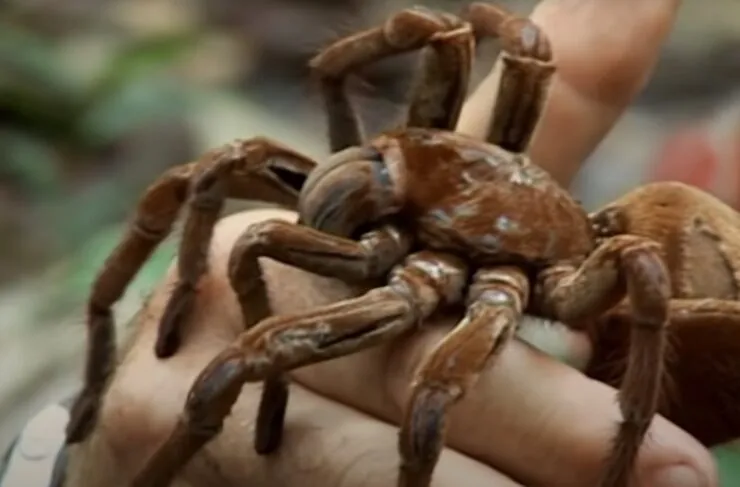
Understanding the Texas Tarantula Migration
The Texas tarantula migration is a spectacular natural phenomenon that captivates nature enthusiasts and photographers alike. This annual event, primarily involving the Texas tan tarantula (Aphonopelma marxi), sees thousands of these large, hairy spiders embarking on a journey, often in search of mates. While tarantulas are generally solitary creatures, the migration period transforms the landscape as these arachnids become highly visible, making it a unique opportunity to observe their behaviors and appreciate the natural world. Understanding the context of this event can significantly enhance your experience, making it more informed and respectful of the animals and their environment. This guide provides essential insights into what drives this migration, how to spot them, and what to do to have a safe and rewarding experience.
What is Tarantula Migration?
Tarantula migration refers to the seasonal movement of tarantulas, specifically the Texas tan tarantula, as they travel across their habitat. This isn’t a continuous, vast movement like some bird migrations; instead, it’s a more localized, concentrated event, typically occurring during the late summer and early fall months. During this time, mature male tarantulas leave their burrows in search of females. They may travel considerable distances, often crossing roads, trails, and open fields, making them more visible to the public. The female tarantulas also move, though less dramatically, often staying closer to their burrows and awaiting the arrival of the males. This period represents the most active time of year for these spiders, highlighting their life cycle and reproductive strategies.
Why Do Tarantulas Migrate?

The primary reason for tarantula migration is reproduction. Male tarantulas, after reaching maturity, leave their established burrows to find a mate. They use pheromones and other cues to locate female tarantulas. The females, in turn, remain in or near their burrows, awaiting the arrival of potential mates. This migration allows the tarantulas to expand their gene pool and prevent inbreeding, as individuals are more likely to encounter unrelated partners. Additionally, the migration provides an opportunity for tarantulas to access different habitats, find resources, and avoid unfavorable conditions. Factors such as temperature, humidity, and the availability of prey can also influence the timing and extent of the migration.
When and Where to Witness the Migration
Knowing when and where to look is crucial to witnessing the Texas tarantula migration. The best time to observe this event is typically during the late summer and early fall months, specifically from August to October. The exact timing can vary depending on weather conditions and the specific location. Warm temperatures and periods following rain tend to stimulate the migration. As for the locations, the Texas tarantula migration primarily occurs in the grasslands and open woodlands of Central and West Texas. Popular areas include state parks, national forests, and other protected areas. However, tarantulas may also be found in less populated areas, such as alongside rural roads and hiking trails. It’s important to research specific locations and check local wildlife reports to maximize your chances of seeing the migration.
Best Time to Observe the Migration
The peak of the Texas tarantula migration usually occurs during the evenings and early mornings. This is when the tarantulas are most active, particularly the male spiders, which are actively seeking mates. The cooler temperatures during these times also provide a more favorable environment for the spiders to move about. Observing the migration after a rainfall can also be beneficial, as the moist conditions often encourage tarantulas to emerge from their burrows. Always be mindful of the weather and the time of day when planning your viewing trip, as these factors play a significant role in the timing and visibility of the migration.
Prime Locations for Tarantula Spotting

Several locations in Texas offer excellent opportunities to witness the tarantula migration. State parks like Colorado Bend State Park and Pedernales Falls State Park are well-known hotspots, with accessible trails and open areas where tarantulas are commonly observed. National forests, such as the Davy Crockett National Forest, also provide suitable habitats. In addition to these areas, you can often find tarantulas along rural roads and in less-visited areas. Before you head out, check with local park authorities or wildlife organizations for recent sightings and any specific guidelines or warnings. Always prioritize the conservation of the environment and the well-being of the tarantulas when choosing your viewing location.
Top 5 Tips for Observing the Texas Tarantula Migration
To make the most of your tarantula migration viewing experience, consider these top tips. These suggestions will help you prepare effectively, behave responsibly, and safely enjoy the natural wonder of the Texas tarantula migration. Planning ahead, knowing what to expect, and practicing safe behaviors will ensure a positive experience.
Tip 1 Know the Tarantulas’ Behavior
Understanding the behavior of Texas tarantulas can enhance your ability to find and appreciate them. Tarantulas are generally docile and not aggressive, but they will defend themselves if threatened. They may flick urticating hairs as a defense mechanism, which can cause skin irritation. Learn to recognize their mating rituals, such as the male’s approach and drumming behavior, and be aware of the potential risks. Observe them from a distance, and avoid sudden movements or loud noises. Knowing their behavior helps you understand what you’re seeing and allows you to observe them safely and respectfully.
Tip 2 Plan Your Trip

Careful planning is essential for a successful and enjoyable tarantula migration viewing trip. Research the best locations, check weather forecasts, and determine the optimal time to visit. Pack appropriate gear, including sturdy shoes, long pants, and insect repellent. Bring a flashlight or headlamp for nighttime viewing and carry a water bottle to stay hydrated. Inform someone about your plans and your expected return time. Checking for any park advisories or closures will also help ensure a smooth experience. Being prepared is a key part of safely and responsibly viewing the Texas tarantula migration.
Tip 3 Safety First
Safety should always be a top priority when observing the tarantula migration. Wear appropriate clothing to protect yourself from bites and other potential hazards. Avoid disturbing or attempting to handle the tarantulas, as this can lead to defensive reactions. Be aware of your surroundings and watch out for other wildlife, such as snakes or scorpions. Stay on marked trails and avoid walking through tall grass where tarantulas may be hiding. Carry a basic first-aid kit and know how to handle any potential emergencies, like a bite or allergic reaction. Always respect the animals and their environment.
Tip 4 Respect the Environment
Respecting the environment is crucial when observing the Texas tarantula migration. Avoid littering, and pack out everything you pack in. Stay on marked trails to minimize your impact on the habitat. Do not disturb or damage the tarantulas’ burrows or other wildlife. Keep noise levels down and avoid using bright lights that could disrupt the tarantulas’ natural behaviors. By practicing responsible environmental stewardship, you help ensure that future generations can continue to enjoy this natural spectacle. Your actions contribute to the preservation of the tarantula habitat and the overall health of the ecosystem.
Tip 5 Photography Tips

Photography can be a rewarding way to capture the beauty of the tarantula migration, but it requires patience and respect for the animals. Use a telephoto lens to maintain a safe distance, and avoid using flash photography, as this can disturb the tarantulas. Focus on capturing the tarantulas in their natural habitat, documenting their behaviors and interactions. Try to capture the tarantulas against a natural backdrop to highlight their role in the ecosystem. Remember to respect their space and avoid any actions that might stress them. By following these photography tips, you can create stunning images while maintaining ethical practices and protecting the spiders.
The Significance of Tarantula Migration
The Texas tarantula migration is more than just a unique spectacle; it also holds significance for the environment. Understanding its role helps us recognize the importance of conservation and the interconnectedness of nature. The tarantulas play critical roles in the ecosystem, and protecting their habitat is essential for maintaining ecological balance.
Ecological Role of Tarantulas
Tarantulas are an essential part of the ecosystem. They serve as both predators and prey, helping to regulate insect populations and providing a food source for other animals like birds and reptiles. Their burrows also provide shelter for other species. The migration itself contributes to nutrient cycling in the soil as tarantulas move and create new burrows. By understanding their role, we gain a greater appreciation for the importance of conservation efforts aimed at protecting tarantula habitats and maintaining biodiversity.
Conservation and Tarantulas

Conservation efforts are vital to ensuring the survival of the Texas tarantula and preserving its habitat. Protecting natural habitats through land conservation and sustainable practices is essential. Reducing pesticide use, which can harm tarantulas and their prey, is also crucial. Supporting organizations that focus on wildlife conservation and education helps to raise awareness and promote responsible practices. By supporting these efforts, you contribute to the long-term well-being of the tarantulas and the health of the ecosystem. Learning about the importance of these efforts and taking part in community actions is something everyone can do.