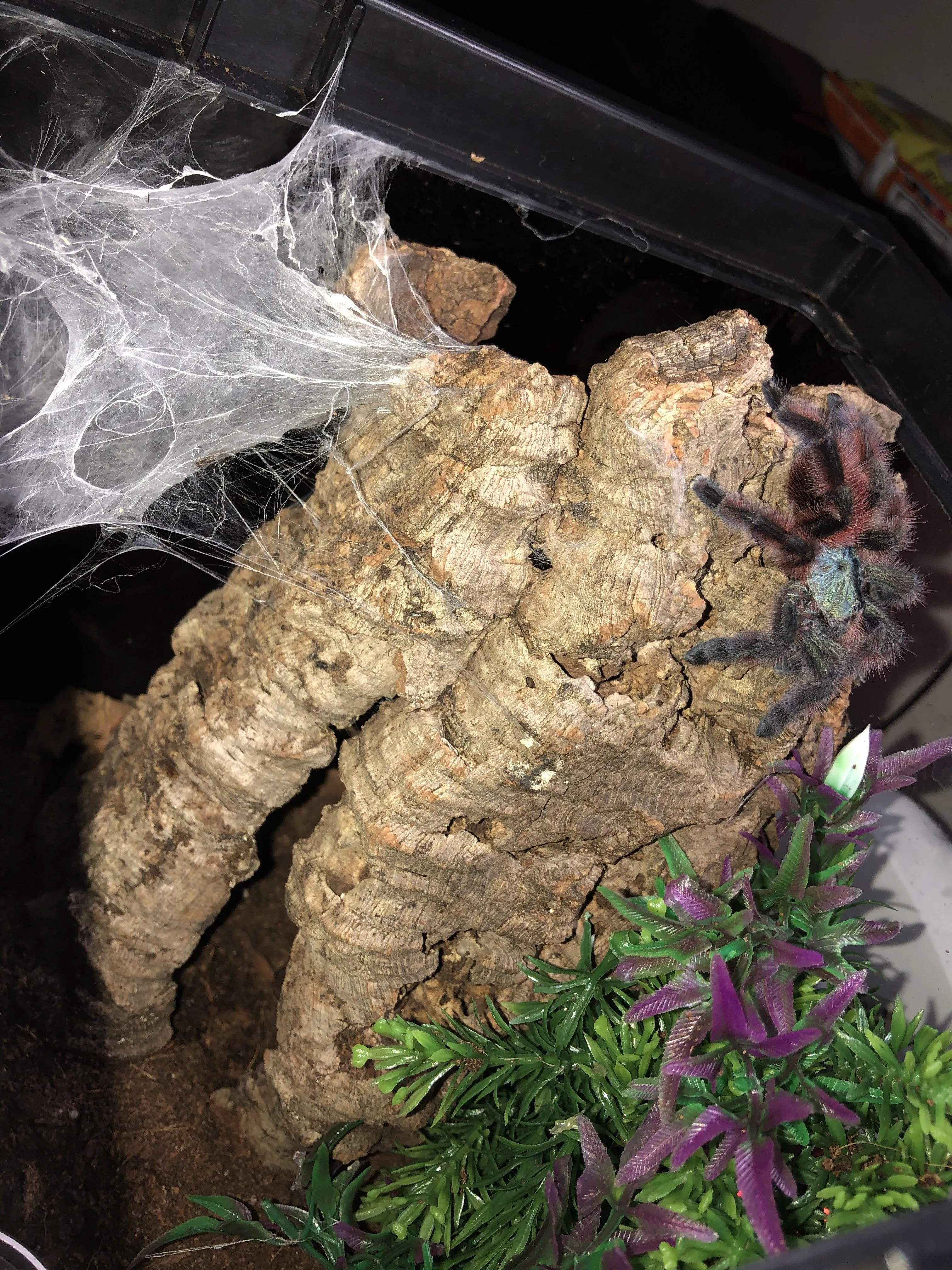
Versicolor Tarantula: Habitat Setup
Creating the perfect habitat is the cornerstone of successful Versicolor tarantula care. These arboreal creatures thrive in setups that mimic their natural environment. A well-designed enclosure provides not only a home but also contributes significantly to the tarantula’s overall health, well-being, and longevity. The key elements involve choosing the right size, substrate, and décor that cater to their specific needs. Remember, a happy tarantula is one that feels safe and secure in its surroundings, which in turn, makes for a more captivating pet. Ensuring a suitable living space minimizes stress and allows you to fully appreciate these beautiful arachnids.
Enclosure Size for Your Versicolor
The size of your Versicolor tarantula’s enclosure plays a crucial role in its well-being. While these tarantulas are not particularly large, they are arboreal, meaning they spend most of their time in trees. Therefore, height is more important than floor space. A good starting point is a terrarium that is at least 12x12x18 inches for an adult. The enclosure should be tall enough for the tarantula to climb and web, providing ample vertical space. As your tarantula grows, you may need to upgrade the enclosure to provide adequate room for molting and movement. Avoid overcrowding, as this can lead to stress and hinder their natural behaviors. Remember, the goal is to create an environment where your Versicolor feels comfortable and secure, allowing it to thrive.
Ideal Substrate for Versicolor Tarantulas

Choosing the right substrate is another critical aspect of Versicolor tarantula care. The substrate serves multiple purposes, including providing a surface for the tarantula to walk on, aiding in maintaining humidity levels, and offering a place to burrow if the tarantula desires. A good substrate for Versicolor tarantulas should be able to retain moisture while also allowing for adequate ventilation. A mix of coco fiber, sphagnum moss, and a small amount of vermiculite is often recommended. This combination provides excellent moisture retention, promotes healthy humidity, and allows the tarantula to create a comfortable and secure habitat. Ensure the substrate is clean and free of any harmful chemicals or additives. The depth of the substrate should be sufficient to support their climbing needs.
Essential Decor for a Happy Versicolor
Decorating your Versicolor tarantula’s enclosure with appropriate elements is essential for its well-being. Arboreal tarantulas like Versicolors appreciate structures that allow them to climb and web. Provide cork bark, branches, and artificial or live plants to create a stimulating and visually appealing environment. These decorations offer climbing opportunities, hiding places, and areas to web. Ensure that the décor is securely placed to prevent any accidents. Avoid sharp objects or materials that could potentially injure your tarantula. The enclosure should mimic their natural habitat as closely as possible, fostering a sense of security and allowing your tarantula to exhibit its natural behaviors. Well-decorated enclosures also make for a more attractive and engaging display.
Feeding Your Versicolor Tarantula
Proper feeding is fundamental to the health and vitality of your Versicolor tarantula. Providing the right food, in the correct amounts, is vital for its growth and development. These tarantulas are opportunistic feeders, but a balanced diet is still essential to ensure they receive the necessary nutrients. The frequency and type of food you provide will have a direct impact on their overall well-being, making it a critical component of their care. Regularly monitoring their feeding habits and body condition can help you adjust their diet as needed, ensuring they remain healthy and active throughout their lives. This requires understanding their dietary requirements and providing a diet that mimics what they would consume in their natural habitat.
Best Food Options for Versicolor Tarantulas

Versicolor tarantulas are primarily insectivores, meaning their diet consists of insects. The best food options for your tarantula include crickets, dubia roaches, mealworms, and superworms. It is important to vary the diet to provide a range of nutrients. Crickets and roaches are often preferred due to their higher protein content and ease of digestion. Mealworms and superworms can be offered as a supplementary food source, but they should not be the sole source of nutrition. Always ensure that the insects are gut-loaded before feeding them to your tarantula. Gut-loading involves feeding the insects nutritious foods, such as vegetables and fruits, which in turn, provides your tarantula with essential vitamins and minerals. This enhances the nutritional value of the meal, contributing to the tarantula’s overall health and development.
Feeding Frequency and Portion Sizes
The feeding frequency and portion sizes will vary depending on the age and size of your Versicolor tarantula. Spiderlings and juvenile tarantulas should be fed more frequently, typically every 2–3 days. Adults can be fed less often, about once or twice a week. The portion size should be appropriate for the tarantula’s size; a good rule of thumb is to offer insects that are roughly the same size as the tarantula’s abdomen. Remove any uneaten insects within 24 hours to prevent stress on the tarantula and maintain a clean enclosure. Overfeeding can lead to obesity, while underfeeding can stunt growth. Monitoring their feeding habits and adjusting the frequency as needed is crucial for maintaining a healthy weight. Always ensure that fresh water is available.
Watering and Hydration for Your Tarantula
Adequate hydration is crucial for the health and well-being of your Versicolor tarantula. Providing clean water and maintaining the right humidity levels are vital aspects of their care. These tarantulas require a constant supply of fresh water to stay hydrated and to support their bodily functions. Both humidity and access to water contribute significantly to their health, especially during molting, when dehydration can be detrimental. Ensuring these elements are in balance ensures the tarantula remains comfortable and healthy.
Maintaining Humidity Levels

Versicolor tarantulas require a specific humidity range to thrive, typically between 60% and 70%. Maintaining this humidity level is essential for their health and molting process. You can monitor humidity with a hygrometer placed inside the enclosure. To maintain humidity, mist the enclosure lightly with dechlorinated water every few days, making sure to avoid direct spraying on the tarantula. The substrate also helps to retain moisture, contributing to the humidity levels. Ensure proper ventilation to prevent mold growth. The combination of the substrate, misting, and ventilation ensures a healthy, balanced environment. Regularly check and adjust as needed to maintain the optimal level.
Providing Fresh Water
In addition to maintaining humidity, providing a source of fresh water is vital. A shallow water dish, filled with dechlorinated water, should always be available. Ensure the water dish is stable and shallow enough to prevent the tarantula from drowning. Change the water regularly, at least once or twice a week, to prevent bacterial growth. Some keepers also provide a water source by misting the enclosure walls; however, a water dish is a more reliable method. The constant availability of clean water guarantees your tarantula stays hydrated and healthy. Clean water is vital to prevent health problems.
Understanding Molting in Versicolor Tarantulas
Molting is a natural and essential process in the life of a Versicolor tarantula, as it is for all arthropods. During molting, the tarantula sheds its exoskeleton to allow for growth. Understanding the process of molting, recognizing the signs, and providing the right care during this period are critical for the health and longevity of your pet. The frequency of molting decreases as the tarantula ages, but each molt is an important phase, and supporting them during these times promotes their overall wellbeing.
Recognizing the Molting Process

Recognizing the signs of an upcoming molt is important to ensure proper care. Before molting, your tarantula will often stop eating and may become less active. You might notice the abdomen darkening, and the tarantula might start to build a web mat to prepare for the molt. Some tarantulas will also lie on their backs during the molting process. The molting process can take anywhere from a few minutes to several hours, depending on the size and age of the tarantula. Never disturb the tarantula during the molt. Once the molt is complete, the tarantula will be vulnerable and its new exoskeleton will be soft. Provide ample time for it to harden, and then feed it.
Caring for Your Tarantula During Molt
During the molting process, it is crucial to provide a stress-free environment. Maintain the enclosure’s humidity levels as usual, but avoid handling or disturbing the tarantula. Refrain from feeding until the tarantula has completely hardened its new exoskeleton. Remove any uneaten food, and ensure fresh water is available. Provide a safe, undisturbed space for the tarantula to complete the molting process. The new exoskeleton will be soft and vulnerable, and the tarantula should be allowed to rest undisturbed. Avoid any sudden movements or disturbances that might startle the tarantula. Post-molt, allow a few days for the tarantula to regain its appetite before offering food.
Handling and Safety Tips for Versicolor Tarantulas
Handling a Versicolor tarantula should be approached with caution and knowledge. While these tarantulas are not typically aggressive, they can bite if they feel threatened. Their venom is not considered medically significant to humans, but a bite can be painful. Also, handling can be stressful for the tarantula. Prioritizing the safety of both the tarantula and yourself is paramount. Understanding and practicing safe handling practices will not only minimize risk but also helps build a responsible and respectful relationship with your pet.
Safe Handling Practices

If you choose to handle your Versicolor tarantula, do so carefully and with respect. Wash your hands before and after handling. Handle the tarantula over a soft surface, such as a bed or a table covered with a blanket, in case it falls. Avoid sudden movements and never grab the tarantula. Gently coax it onto your hand or let it walk onto your hand. Always pay close attention to the tarantula’s body language; if it appears stressed or agitated, it’s best to put it back in its enclosure. Never handle a tarantula immediately after feeding or during molting. Handling should be kept to a minimum to reduce stress.
Identifying Potential Hazards
Identify and avoid potential hazards in your tarantula’s environment. Ensure that the enclosure is escape-proof, with a secure lid. Keep the enclosure out of direct sunlight and away from extreme temperatures. Be careful when cleaning the enclosure, and always supervise children around the tarantula. Avoid exposing the tarantula to any harmful chemicals, such as cleaning agents or pesticides. Regularly inspect the enclosure and the tarantula for any signs of illness or injury. It’s critical to be aware of potential health risks and implement preventative measures to ensure the well-being of your pet. Maintain vigilance about the tarantula’s surroundings and watch for any potential issues.