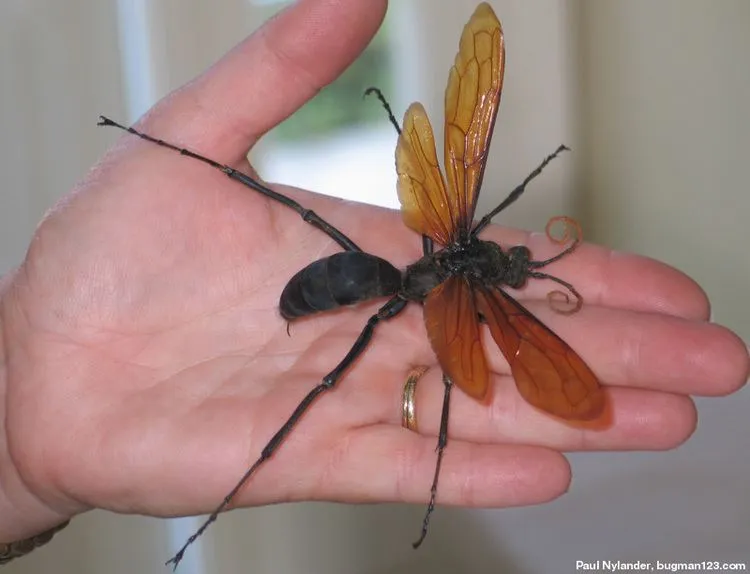
Tarantula Hawks An Introduction
Tarantula hawks are large, striking wasps renowned for their imposing size and the dramatic nature of their lifecycle. These insects, belonging to the family Pompilidae, are easily recognized by their vibrant coloration, often featuring a deep blue-black body and rust-orange wings. Their name stems from their hunting behavior they paralyze tarantulas to serve as hosts for their larvae. These wasps are solitary creatures, with females being larger than males and bearing the primary responsibility of hunting and nesting. The sting of a tarantula hawk is famously painful, ranked among the most painful insect stings in the world, though they are generally not aggressive unless provoked.
The Southwestern United States Top Habitat for Tarantula Hawks
The southwestern United States serves as the primary habitat for various species of tarantula hawks. This region provides the ideal combination of environmental conditions that support their survival, including a warm climate, suitable prey, and appropriate nesting sites. Specifically, the arid and semi-arid environments, with their diverse insect populations and ample tarantula presence, create a thriving ecosystem for these wasps. The rocky terrains and desert landscapes offer ample opportunities for nesting and foraging, making the southwestern United States a key location to observe tarantula hawks in their natural habitat.
Deserts of Arizona Tarantula Hawks Paradise

Arizona’s deserts are a prime location for tarantula hawks, with the state’s diverse landscapes providing everything these wasps need. The arid climate, along with a large population of tarantulas, offers abundant prey for the female wasps. The open desert areas and sparse vegetation create optimal hunting grounds, while sandy or loamy soils are suitable for nest construction. The presence of various tarantula species in Arizona further ensures a consistent food supply, making the state a hotspot for tarantula hawk activity. The warm temperatures and dry conditions are also conducive to the wasp’s overall survival and reproduction.
New Mexico Spotting Tarantula Hawks
New Mexico, similar to Arizona, presents a favorable environment for tarantula hawks. The state’s deserts and grasslands offer suitable habitats, and the presence of various tarantula species ensures a consistent food source. The vast, open spaces of New Mexico allow tarantula hawks to effectively hunt and search for their prey. The warm climate allows them to thrive and reproduce throughout the warmer months. If you are looking to spot them, consider visiting the state during peak tarantula hawk season, where you may witness these magnificent insects in action, especially during the mating and nesting periods.
Texas Range Where Tarantula Hawks Thrive
Texas, particularly the western and southern parts, offers another significant habitat for tarantula hawks. The varied landscapes, ranging from deserts to grasslands, provide a rich environment for both the wasps and their prey. The warm, dry climate is ideal for their lifecycle, and the state’s large tarantula populations offer an abundance of food. The abundance of sandy or loamy soil is beneficial for nest construction. Texas’s extensive wilderness areas and natural environments make it an excellent location to find tarantula hawks, especially during the warm seasons when they are most active in hunting and nesting.
Utah and Nevada Habitats

While not as prevalent as in Arizona, New Mexico, and Texas, tarantula hawks can also be found in the more arid regions of Utah and Nevada. These states have specific areas that mimic the habitats these wasps prefer, with warm temperatures and suitable prey. The desert environments in these regions provide a landscape that supports the life cycle of tarantula hawks. They might not be as common as in the core habitats, but careful observers can still spot these remarkable insects in suitable microclimates and areas where their prey thrives. The varied terrain from canyons to valleys provides the perfect hunting ground.
Other Regions Where Tarantula Hawks Are Found
Beyond the southwestern United States, tarantula hawks have a broader distribution. While these areas may not support the same density of populations as the core habitats, the wasps can still be found in several other regions. This wider distribution is indicative of their adaptability and their ability to survive in different environmental conditions. The presence of tarantula hawks, although potentially sparse in these other areas, still contributes to the fascinating diversity of insect life across the continent.
Mexico as a Tarantula Hawk Habitat
Mexico serves as a continuation of the tarantula hawk’s habitat range, particularly in the northern and central regions. The climate and geography of many parts of Mexico mirror those of the southwestern United States, providing ideal conditions for these wasps. The presence of various tarantula species in Mexico ensures a consistent prey source. Therefore, the natural environments, including deserts, grasslands, and semi-arid areas, create a suitable environment for tarantula hawks to thrive. This extended habitat reinforces the wasp’s broad distribution across North America.
South American Presence of Tarantula Hawks

Several species of tarantula hawks also inhabit parts of South America. These populations have adapted to the diverse ecosystems found in the continent, from the drier regions to areas that offer suitable prey and nesting grounds. The existence of these wasps in South America demonstrates their adaptability to different climates and landscapes, expanding the geographical scope of tarantula hawk distribution. The specific habitats vary within South America, but similar principles apply a warm climate and the presence of tarantulas support their presence.
Factors Influencing Tarantula Hawk Distribution
Several factors influence the distribution of tarantula hawks. The availability of tarantulas, a necessary food source for their larvae, is paramount. Climate, including temperature and humidity, plays a major role in their survival and reproduction. The type of vegetation and habitat also affects the presence of both the wasps and their prey. Understanding these factors provides insight into the geographic range of tarantula hawks and why they thrive in certain areas.
Climate and Temperature Impact
Climate, particularly temperature, is a critical factor determining where tarantula hawks can survive and thrive. These wasps favor warm climates, with hot, dry conditions, which are ideal for their lifecycle. High temperatures support the rapid development of both the wasps and their tarantula prey. Extremely cold or wet climates, on the other hand, can be detrimental to their survival. The warmer temperatures in the southwestern United States and parts of Mexico and South America are thus crucial for sustaining their populations. Climate change can significantly impact the wasps’ distribution, potentially altering their suitable habitats.
Prey Availability

The abundance of tarantulas is the most important factor influencing where tarantula hawks are found. These wasps require tarantulas to feed their larvae, and thus their presence is directly linked to the population of tarantulas in a given region. The presence of various tarantula species in the southwestern United States makes this region a prime habitat. Areas with a higher density and diversity of tarantula species can support larger tarantula hawk populations. The availability of prey dictates the wasp’s ability to reproduce and thrive.
Vegetation and Habitat Type
The type of vegetation and habitat structure plays a crucial role in providing suitable environments for tarantula hawks. Open, arid, or semi-arid landscapes with sparse vegetation are often preferred, because they provide ample hunting grounds for the wasps. The soil type also matters because it affects the wasps’ ability to construct nests. These wasps require sandy or loamy soils for burrowing. Furthermore, the presence of specific plants and vegetation influences the populations of tarantulas and other insects, indirectly affecting tarantula hawk distribution. The right habitat creates the perfect hunting and nesting environment.
Conservation Status and Threats
Tarantula hawks are generally not considered endangered. Still, their survival can be threatened by various factors, particularly habitat loss and pesticide use. Habitat destruction, due to human development and agricultural practices, reduces the available areas where they can hunt, nest, and reproduce. The use of pesticides can also directly harm the wasps or indirectly reduce their prey populations. Monitoring these threats and implementing conservation strategies are essential for ensuring the long-term survival of tarantula hawks.
Importance of Habitat Preservation

Preserving the habitats of tarantula hawks is crucial for ensuring the survival of these fascinating insects. Conservation efforts should focus on protecting the arid and semi-arid landscapes where they thrive. This includes establishing protected areas, managing land use to minimize habitat destruction, and promoting sustainable practices. Raising public awareness about the importance of tarantula hawks and their role in the ecosystem is also essential. By working together, we can help safeguard the habitats that support these amazing wasps and maintain the natural balance of the ecosystems they inhabit.