What is the Goliath Birdeater Tarantula?
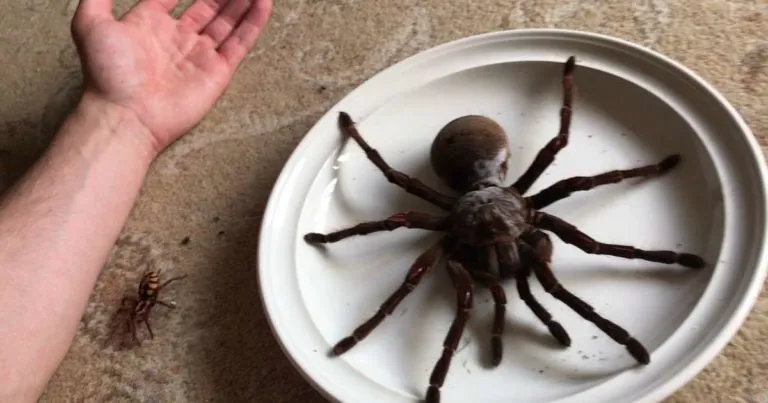
The Goliath Birdeater Tarantula, Theraphosa blondi, is the world’s largest spider by mass, a truly impressive creature. Native to the rainforests of northern South America, this colossal arachnid can have a leg span of up to 12 inches (30 cm) and weigh over 6 ounces (170 g). Despite its intimidating size, the Goliath Birdeater is not typically aggressive towards humans. The name ‘Birdeater’ comes from the spider’s observed behavior of occasionally consuming small birds, although its diet primarily consists of insects, worms, and small vertebrates. Its impressive fangs, measuring up to an inch long, are used to inject venom and subdue prey. This giant spider is a fascinating subject for biologists and a captivating creature for anyone interested in the natural world. It is important to note that while they are not typically aggressive, they can defend themselves, and a bite can be painful.
The Amazon Rainforest
The Amazon rainforest is the primary habitat for the Goliath Birdeater Tarantula. This vast, biodiverse ecosystem, spanning across several South American countries, provides the ideal conditions for this giant spider to thrive. The Amazon’s dense vegetation, high humidity, and abundance of prey create a perfect environment. The rainforest’s complex structure, from the forest floor to the canopy, offers numerous microhabitats that the tarantula can utilize for shelter and hunting. The area’s rich biodiversity means a plentiful food supply and protection from certain predators. Within this expansive jungle, the tarantulas have everything they need to survive, making the Amazon a critical habitat for the species. Protection of this area is crucial to the species continued existence.
Climate and Vegetation

The Amazon rainforest’s climate is a key factor in supporting the Goliath Birdeater. High temperatures, averaging between 75°F and 95°F (24°C and 35°C), and consistently high humidity levels, often exceeding 80%, create a warm, moist environment that the tarantula favors. The dense, diverse vegetation, including towering trees, lush undergrowth, and a variety of plant life, provides ample cover and shelter for the spider. This vegetation also supports a rich ecosystem of insects and small animals, which serve as prey for the Goliath Birdeater. The rainforest’s climate and plant life are intertwined, supporting a complex food web that allows the Goliath Birdeater to thrive in this specific ecological niche.
Subtropical Rainforests
Beyond the Amazon, Goliath Birdeater Tarantulas can also be found in other subtropical rainforests throughout northern South America. These regions share similar climatic conditions to the Amazon, including high humidity, consistent warmth, and abundant rainfall. The dense foliage and varied vegetation provide similar benefits to the tarantulas, offering both shelter and a diverse array of prey. While the specific location can vary, the common denominator is the presence of a humid, vegetated environment, ideal for the species. These environments provide suitable conditions for the tarantulas to build their burrows, hunt, and escape predators. Like the Amazon, the subtropical rainforests are crucial for the long-term survival of the species.
Location and Characteristics
Subtropical rainforests, often located near the Amazon basin, are characterized by their lush, evergreen vegetation and high biodiversity. The Goliath Birdeater tends to inhabit areas within these forests that have a specific set of characteristics. These areas typically have well-drained but moist soil, suitable for burrowing, and a dense understory that provides plenty of cover. The presence of decaying leaf litter and fallen logs also contributes to the habitat by providing food for the tarantula’s prey and additional shelter. The proximity to water sources, such as small streams or rivers, is another common feature of these habitats, as it helps maintain the high humidity levels that the spider needs to survive.
Swampy and Marshy Areas

Goliath Birdeater Tarantulas are also found in swampy and marshy areas within their range. These habitats offer unique characteristics that cater to the spider’s needs. The high humidity levels in these environments are essential, helping to maintain the spider’s hydration and preventing it from drying out. The abundance of decaying organic matter provides a rich source of food for the prey animals the tarantulas feed upon, supporting a robust food web. Moreover, the soft, often muddy soil is ideal for the tarantulas to construct their burrows, which are vital for shelter and protection. These swampy areas, though perhaps less explored than other habitats, are vital components of the species’ overall survival, as they provide an essential ecological niche that supports the spiders’ life cycle.
Humidity and Temperature
Humidity and temperature are critical environmental factors in swampy and marshy habitats. The consistent high humidity, often exceeding 80%, creates a microclimate that prevents the tarantulas from desiccation. The temperature in these areas usually remains warm throughout the year, generally between 70°F and 90°F (21°C and 32°C), promoting a fast metabolism and growth rate. These conditions are essential for the Goliath Birdeater, as the spider is particularly vulnerable to dehydration and requires a stable, warm environment to function correctly. The constant humidity and warmth help facilitate the spider’s hunting, molting, and overall health, making swampy and marshy areas a very supportive habitat.
Burrows in the Ground
A significant aspect of the Goliath Birdeater’s habitat is the construction of burrows. These burrows are typically built in the ground, often in areas with loose soil or near tree roots. The spider uses its powerful fangs and pedipalps to excavate and shape these shelters. The burrows serve multiple purposes including protection from predators, temperature regulation, and a secure place to molt and lay eggs. The depth and structure of the burrows can vary, but they usually have a tunnel-like entrance that leads to a larger chamber where the spider spends most of its time. The presence of a well-built burrow is a sign of a healthy Goliath Birdeater, reflecting its ability to thrive in its specific environment and avoid threats. These burrows are a clear indicator of the spider’s habitat preferences and its adaptation to life in the South American rainforests.
Savannas and Grasslands

While primarily associated with rainforests, Goliath Birdeater Tarantulas can sometimes be found in the savannas and grasslands within their range. These habitats, although different from their preferred rainforest environments, still offer some suitable conditions. The key is often the presence of microhabitats that provide the necessary shelter and humidity. This may include areas with dense vegetation, near water sources, or where the soil is suitable for burrowing. The spiders that inhabit these regions often adapt their behavior and burrowing techniques to suit the specific environment. Savannas and grasslands tend to be less densely populated by Goliath Birdeaters, but their presence demonstrates the spider’s adaptability and ability to survive in diverse conditions. These areas are often transitional zones, connecting the rainforests to more open landscapes, and the Goliath Birdeater’s survival in these areas is dependent on the specific environmental conditions.
Food Availability
Food availability is a key factor in the Goliath Birdeater’s survival in savannas and grasslands. The availability of prey, such as insects, worms, and small vertebrates, is directly linked to the spider’s ability to thrive. The specific type and abundance of prey vary with the environment. In grasslands, the spider might rely more on ground-dwelling insects and small rodents. The diversity of food sources and the ease of access to prey contribute to the spider’s success. As conditions change throughout the year, the spider’s diet can change based on what is available. A stable food supply is essential for the Goliath Birdeater’s growth and reproduction, making food availability a critical aspect of habitat suitability.
Near Rivers and Streams
Proximity to rivers and streams is a common characteristic of the Goliath Birdeater’s habitat. These water bodies provide several benefits, including high humidity levels that are vital for the spider’s survival, and access to potential food sources. The microclimates around rivers and streams are usually cooler and moister than the surrounding areas, offering favorable conditions for the spider. These areas are often rich in vegetation, providing cover and a good supply of insects and small animals that the tarantula preys upon. The presence of water also facilitates the spider’s burrowing activities, as the soil is typically softer and easier to excavate. These areas not only provide a stable water supply but also play a vital role in supporting the broader ecosystem that the Goliath Birdeater depends on.
Why these Habitats are Crucial

The varied habitats described above are essential for the Goliath Birdeater Tarantula’s survival. Each habitat type provides unique conditions that cater to the spider’s needs, from the high humidity and dense vegetation of the Amazon rainforest to the more adaptable conditions found in savannas. These habitats provide food, shelter, and protection from predators, all essential factors for the spider’s life cycle. The survival of the Goliath Birdeater is also an indicator of the health of the broader ecosystem, as the spider’s presence relies on a balanced and diverse environment. The conservation of these habitats is not only crucial for the spider’s survival, but also for the preservation of the entire South American ecosystem.
Threats to Goliath Birdeater Tarantula Habitats
Several threats endanger the habitats of the Goliath Birdeater Tarantula. Deforestation, driven by logging, agriculture, and mining, is one of the most significant challenges. The loss of trees and vegetation destroys the spider’s habitat, reduces the availability of prey, and disrupts the complex ecosystem that sustains the tarantulas. Climate change also poses a threat. Altered rainfall patterns, increased temperatures, and extreme weather events can change the habitat conditions and make it less favorable for the spider. Other threats include habitat fragmentation, which reduces the spider’s range and limits its ability to find mates and resources, and illegal wildlife trade. Protecting and preserving these habitats is crucial to ensuring that future generations can see the Goliath Birdeater in its natural environment.