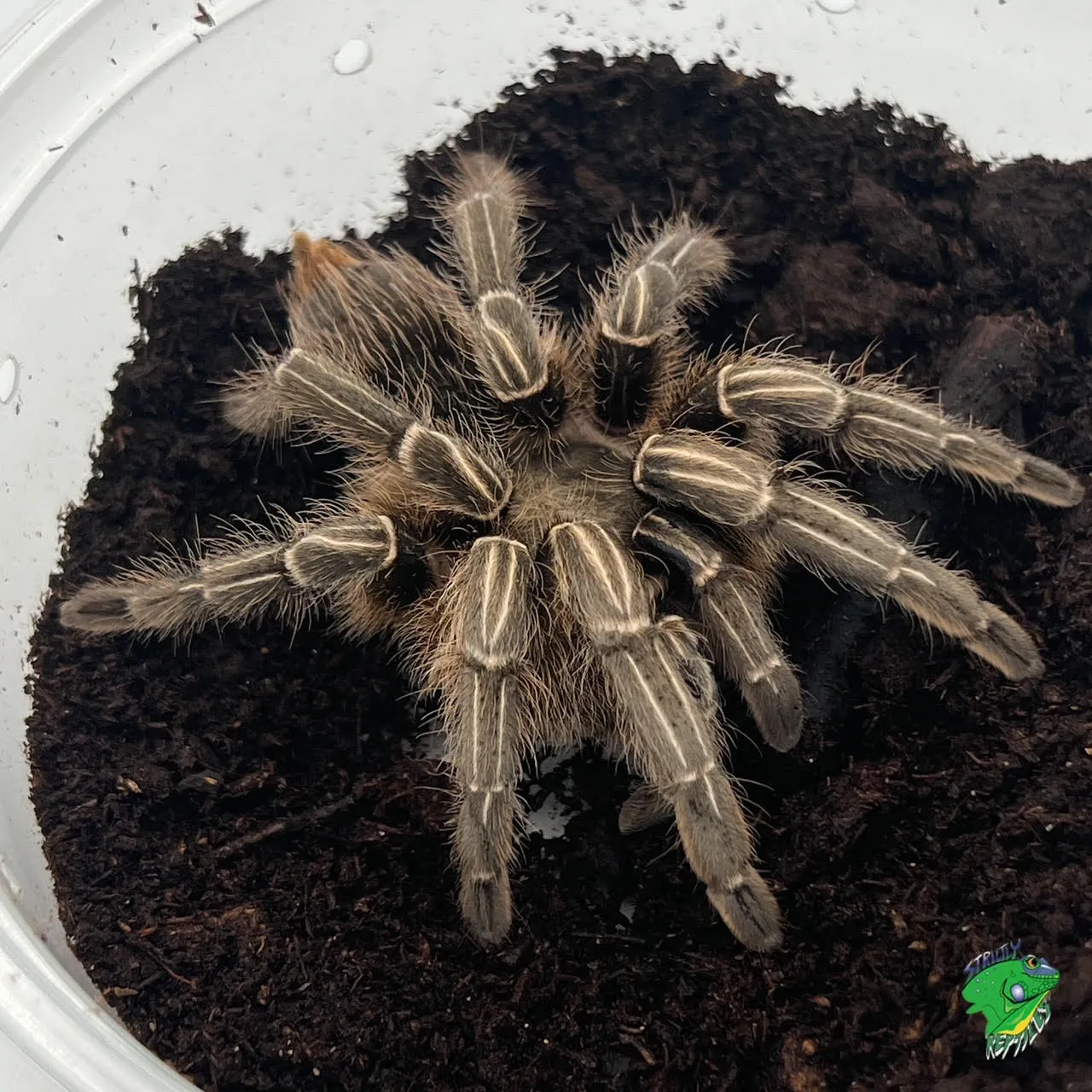
Understanding Tarantula Young
Caring for tarantula young, often referred to as spiderlings, requires a delicate balance of environmental control, feeding, and observation. These tiny arachnids are incredibly vulnerable, and their early stages of life are critical for their survival and development. Understanding their specific needs at this stage is paramount to ensuring they grow into healthy, thriving adult tarantulas. This guide provides a comprehensive overview of the essential aspects of caring for tarantula young, including habitat setup, feeding protocols, and safety considerations. It’s essential to remember that patience and close monitoring are key components of successful tarantula young care. Being prepared to address potential issues quickly is crucial for their well-being. By following the guidelines presented, you can create an environment that gives your young tarantula the best possible start in life.
What are Tarantula Young
Tarantula young are essentially baby tarantulas, newly hatched from an egg sac. These spiderlings are miniature versions of their adult counterparts, but they are significantly more fragile and require specialized care. Their size varies depending on the species, but they are generally only a few millimeters in length when they hatch. They go through several molting phases as they grow, shedding their exoskeletons to allow for growth. During these early molts, the spiderlings are particularly vulnerable. Their exoskeletons are soft, and they are easily injured. The spiderlings are also very small and will need appropriately sized prey, which is often fruit flies or pinhead crickets.
Identifying Tarantula Young

Identifying tarantula young is relatively straightforward due to their small size and the context in which you find them. They typically hatch from an egg sac, which the female tarantula guards diligently. When you see these tiny spiders clustered together or dispersing, you know they are spiderlings. They will resemble miniature versions of the adult tarantula species. Look closely for the characteristic body segmentation (cephalothorax and abdomen), eight legs, and fangs. Their coloration may be slightly different from adult tarantulas, sometimes being paler or more vibrant. Their size is the most distinguishing feature, being only a few millimeters to a centimeter in body length, depending on the species.
Habitat Setup for Tarantula Young
Creating the right habitat is crucial for the well-being of tarantula young. They require a controlled environment that mimics their natural habitat, ensuring they have the right conditions for growth and survival. The enclosure, substrate, temperature, and humidity all play vital roles in creating a suitable environment. The key is to provide a secure and comfortable space, protecting them from environmental stressors. Properly setting up the enclosure is the first, and most important, step in caring for your young tarantula. Remember to keep the environment clean and free of potential hazards.
Choosing the Right Enclosure
The enclosure for tarantula young should be appropriately sized to prevent stress and allow for easy access to food and water. Small deli cups or specialized spiderling enclosures are commonly used. The enclosure should be escape-proof, with a secure lid and ventilation holes. Clear enclosures allow for easy observation of the spiderling. Consider the species you are keeping; some species may require more vertical space for climbing, while others prefer terrestrial setups. The enclosure size should increase as the tarantula grows, ensuring it always has enough space. Avoid enclosures that are too large, as this can make it difficult for the spiderling to find food and feel secure. Always ensure the enclosure is clean and free of any sharp edges or potential hazards.
Substrate Selection and Depth

The substrate in the enclosure provides a comfortable surface for the tarantula young and helps maintain humidity levels. Suitable substrate options include peat moss, coconut fiber, or a mix of both. The substrate depth should be sufficient for the spiderling to burrow if it is a terrestrial species, usually around 1-2 inches. It is important to avoid substrates that are too dusty or have sharp particles, as these can harm the spiderling. Keep the substrate slightly moist, but not soggy, to maintain appropriate humidity levels. Replace the substrate regularly to prevent the buildup of waste and mold. The correct substrate also helps with molting, allowing the tarantula to safely shed its exoskeleton.
Temperature and Humidity Control
Maintaining the correct temperature and humidity levels is critical for the health of tarantula young. The ideal temperature range is typically between 75-85°F (24-29°C). A thermometer can help monitor the temperature within the enclosure. Humidity requirements vary depending on the species, but generally, a humidity level between 60-70% is appropriate. You can measure humidity using a hygrometer. To maintain humidity, lightly mist the enclosure with water every few days, or as needed, to keep the substrate slightly moist. Ensure there is good ventilation to prevent mold growth. Avoid placing the enclosure in direct sunlight or near heat sources that could cause extreme temperature fluctuations. Consistent temperature and humidity are crucial for healthy molting and overall well-being.
Feeding Your Young Tarantula
Feeding tarantula young requires careful consideration of food choices, feeding frequency, and portion sizes. Because they are small and have delicate metabolisms, their nutritional needs must be met precisely to ensure healthy growth. Providing the correct food and feeding schedule is essential for successful spiderling development. It is crucial to offer a diet that is appropriate for the species and their stage of life. Proper nutrition supports their growth and helps them through the critical molting phases. Monitoring their feeding habits and adjusting the diet as needed is an essential part of caring for tarantula young. Always ensure the food source is healthy and free of any potential contaminants.
Appropriate Food Choices

The most appropriate food for tarantula young consists of appropriately sized live insects. Flightless fruit flies are an excellent choice for very small spiderlings. Pinhead crickets or small mealworms are suitable for slightly larger spiderlings. Avoid feeding them insects that are too large, as this can stress the spiderling or cause injury. Always ensure the food source is gut-loaded with nutritious food before offering it to your tarantula. You can provide vitamin supplements to the insects. Removing uneaten food within 24 hours prevents mold and mites from infesting the enclosure.
Feeding Frequency and Portion Size
The feeding frequency for tarantula young varies depending on their size, species, and growth rate. Young spiderlings typically need to be fed every other day or every day if they are actively growing. As they grow larger, you can reduce the feeding frequency to every 2-3 days. The portion size should be appropriate for the size of the tarantula. Offer 1-2 insects at a time. You should observe the spiderling to make sure it is eating and not leaving uneaten food. Adjust the feeding schedule and portion sizes based on their appetite and growth. Overfeeding can cause health problems, while underfeeding can stunt their growth.
Watering and Hydration
Providing a source of water is crucial for the hydration of your young tarantula. Offer a shallow water dish with fresh water. You can also provide water by lightly misting the enclosure every few days. Ensure the water is clean and free of contaminants. Avoid using tap water, which may contain chlorine or other chemicals; filtered or bottled water is a safer choice. Monitor the water dish regularly and refill it as needed. Observe the spiderling for signs of dehydration, such as lethargy or a shriveled abdomen. Hydration is essential for molting and overall health; provide water at all times.
Handling and Safety Tips

Handling tarantula young is generally not recommended due to their fragility and vulnerability. However, if handling is unavoidable, it must be done with extreme care and caution. It is essential to understand the risks involved and to take precautions to minimize the potential for injury to both the spiderling and yourself. Proper handling techniques can help reduce the risk of the spiderling being injured, and it can prevent you from being bitten. The welfare of the tarantula is always the priority. Knowing when to handle and how to handle is very important.
When to Handle
Handling tarantula young should be avoided unless absolutely necessary, such as when transferring them to a new enclosure or for medical care. Avoid handling them unnecessarily to minimize stress. Tarantula young are very fragile, and a fall could cause serious injury. Handle them when they are not in premolt, as their exoskeletons are softer during this time. Handle only if you have experience with the species. Assess the tarantula’s temperament before handling it. Some species are more docile, while others are more defensive. Always prioritize the spiderling’s safety and well-being.
Safe Handling Techniques
If handling is unavoidable, use a soft brush or a small cup to gently guide the spiderling. Do not try to pick it up with your fingers, as this can cause injury. If you need to move the spiderling, guide it into a container. Handle the spiderling over a soft surface, such as a table covered with a towel, to reduce the risk of injury if it falls. Always wash your hands thoroughly before and after handling to prevent the transfer of germs. Avoid sudden movements or loud noises, which can startle the spiderling. Be patient and calm and allow the spiderling to move at its own pace. Observe the spiderling for any signs of distress, and if it appears stressed, return it to its enclosure immediately.
Common Problems and Solutions

Caring for tarantula young involves being prepared for potential problems and knowing how to address them. These problems can range from molting issues to parasites. Early detection and swift action are often key to a positive outcome. Regular monitoring and observation of the spiderling can help to prevent problems from escalating into more serious issues. Knowing the common issues and how to tackle them is critical for successful spiderling care. Being prepared will help you ensure your tarantula thrives.
Moulting Issues
Molting is a critical process for tarantulas. It allows them to grow and regenerate lost limbs. Issues can arise during this process, like failed molts. If the spiderling is having difficulty molting, ensure the humidity is correct. Check that the substrate is moist. Provide a humid environment, but do not make it too wet. If the spiderling struggles to get out of its old exoskeleton, do not intervene unless it has been stuck for more than 24 hours. You can gently mist the area to help soften the exoskeleton. Always ensure the spiderling has a safe, secure place to molt. If the molt is successful, leave the exoskeleton in the enclosure. The spiderling will often eat it to regain nutrients.
Parasites and Diseases
Tarantula young are susceptible to parasites and diseases, although they are relatively rare with good husbandry practices. Mites can infest the enclosure. They may attach to the spiderling or the food. If you find mites, remove the spiderling and clean the enclosure thoroughly. You can also use mite control products specifically designed for reptiles and arachnids, but always follow the instructions carefully. Mold can also be a problem if the enclosure is too humid or the substrate is not clean. Remove moldy substrate immediately. Reduce humidity and improve ventilation. Regularly inspect the spiderling for any signs of illness, such as lethargy, loss of appetite, or unusual behavior. If you suspect a health problem, consult with a veterinarian experienced in exotic animals.
Preventative Measures and Regular Checks

Preventative measures are essential for maintaining the health of your young tarantula. Regularly inspect the enclosure for cleanliness, including the substrate and the water dish. Provide clean water at all times. Ensure appropriate temperature and humidity levels. Quarantine new tarantulas before introducing them to other spiders. Feed the spiderling a healthy diet of gut-loaded insects. Regularly check the spiderling for any signs of illness or parasites. If you notice anything unusual, address it immediately. With careful monitoring and consistent care, you can significantly reduce the risk of problems. Always be proactive in your care approach and address issues quickly.
Caring for tarantula young can be a rewarding experience, provided that you are committed to providing the right environment and care. This guide has provided essential information about setting up a proper enclosure, feeding the spiderlings, and handling them safely. Understanding the unique needs of these small arachnids is crucial for ensuring their health and well-being. From selecting the right enclosure to maintaining optimal temperature and humidity levels, every detail matters. Remember that patience, careful observation, and a commitment to learning are key to success. With the right knowledge and dedication, you can enjoy the fascinating journey of raising tarantula young and watch them grow into magnificent adults.